


En savoir plus sur le livre
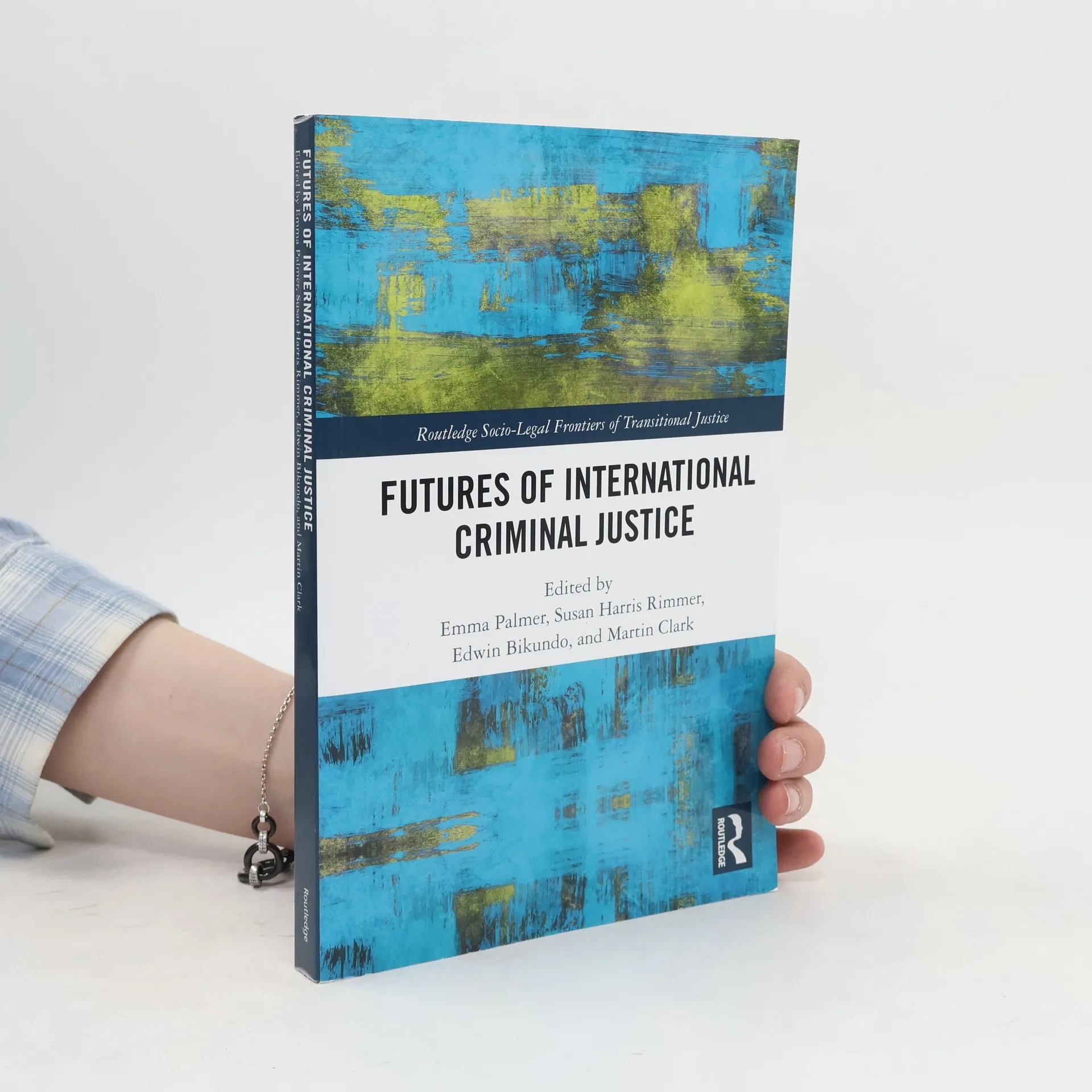
"This collection identifies and discusses problems and opportunities for the theory and practice of international criminal justice. The International Criminal Court and project of prosecuting international atrocity crimes have faced multiple challenges and critiques. In recent times, these have included changes in technology, the conduct of armed conflict, the environment, and geopolitics. The mostly emerging contributors to this collection draw on diverse socio-legal research frameworks to discuss proposals for the futures of international criminal justice. These include addressing accountability gaps and under-examined or emerging areas of criminality at, but also beyond, the International Criminal Court, especially related to technology and the environment. The book discusses the tensions between universalism and localisation, as well as the regionalisation of international criminal justice and how these approaches might adapt to dynamic organisational, political and social structures, at the ICC and beyond"--
Achat du livre
Routledge Socio-Legal Frontiers of Transitional Justice: Futures of International Criminal Justice, Emma Palmer, Susan Harris Rimmer, Edwin Bikundo, Martin Clark
- Langue

- Année de publication
- 2022
- Reliure
- (souple),
- État du livre
- Bon
- Prix
- 12,49 €
Modes de paiement
Personne n'a encore évalué .
- Titre
- Routledge Socio-Legal Frontiers of Transitional Justice: Futures of International Criminal Justice
- Langue
- Anglais
- Éditeur
- Routledge
- Publié
- 2022
- Format
- souple
- Pages
- 266
- ISBN10
- 0367540797
- ISBN13
- 9780367540791
- Séries
- Mots clés
- Commerce, Thématique juridique, Technologie, Développement, Droit pénal, Droit international, Criminologie, République Centrafricaine, Responsabilité pénale
- Description
- "This collection identifies and discusses problems and opportunities for the theory and practice of international criminal justice. The International Criminal Court and project of prosecuting international atrocity crimes have faced multiple challenges and critiques. In recent times, these have included changes in technology, the conduct of armed conflict, the environment, and geopolitics. The mostly emerging contributors to this collection draw on diverse socio-legal research frameworks to discuss proposals for the futures of international criminal justice. These include addressing accountability gaps and under-examined or emerging areas of criminality at, but also beyond, the International Criminal Court, especially related to technology and the environment. The book discusses the tensions between universalism and localisation, as well as the regionalisation of international criminal justice and how these approaches might adapt to dynamic organisational, political and social structures, at the ICC and beyond"--