

Paramètres
- 408pages
- 15 heures de lecture
En savoir plus sur le livre
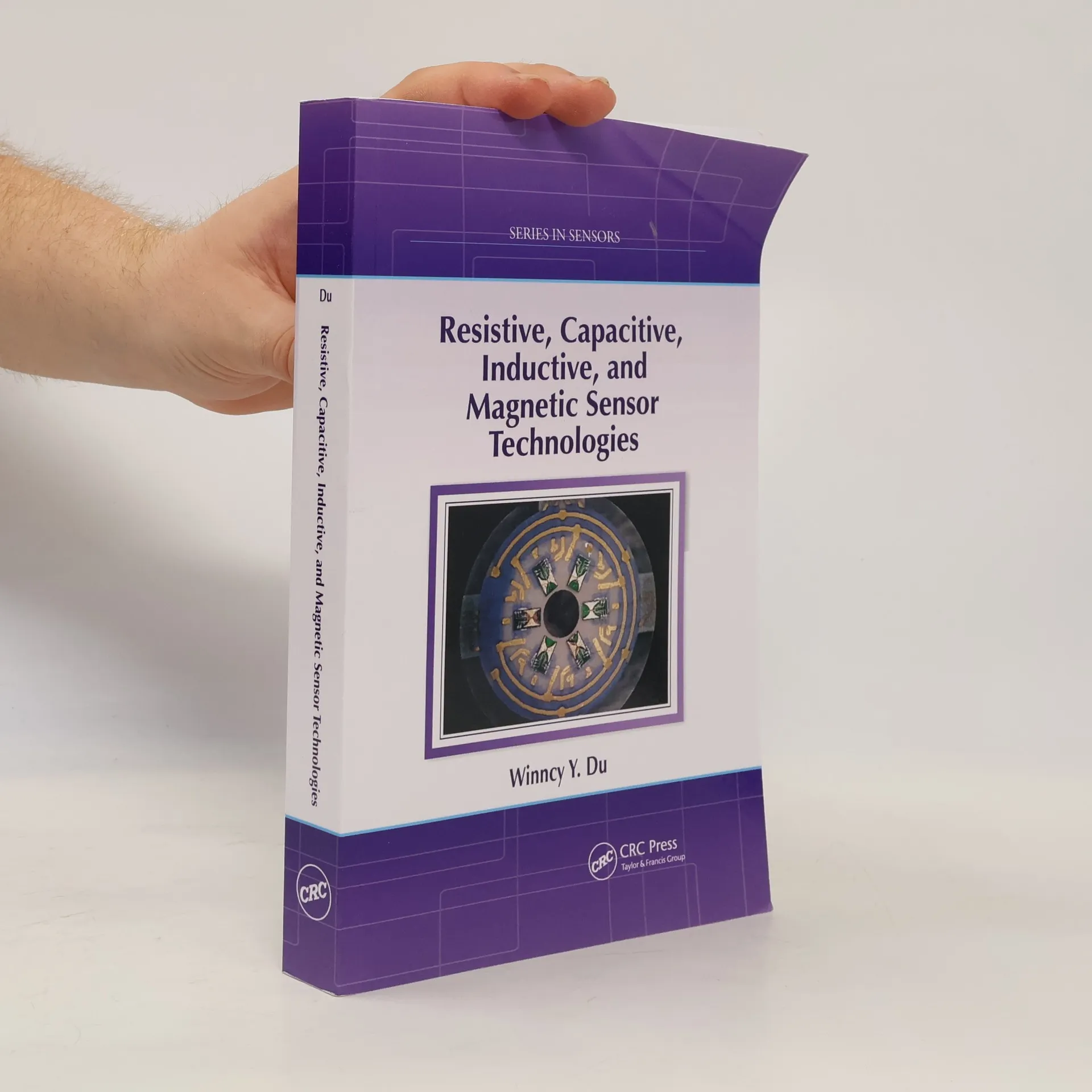
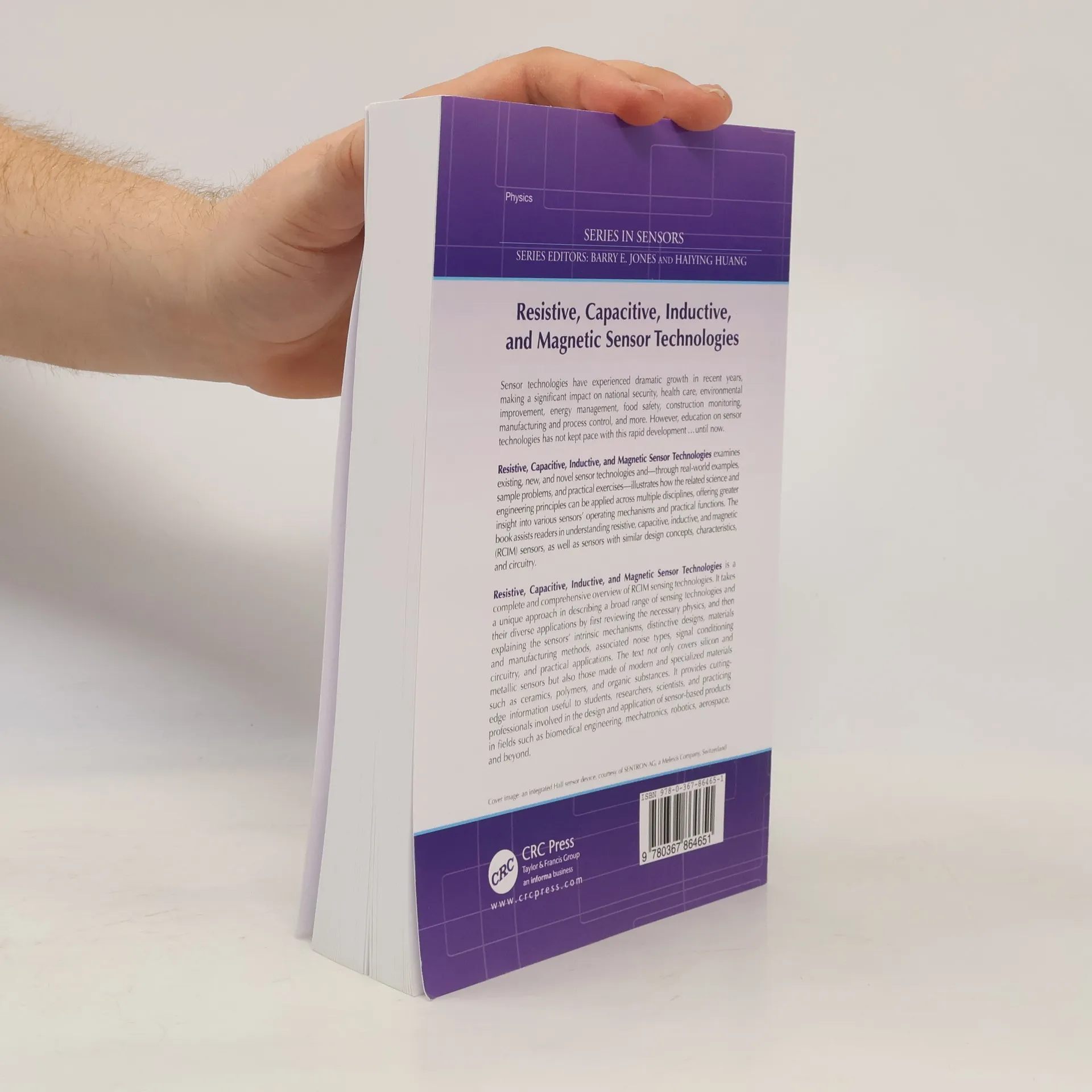
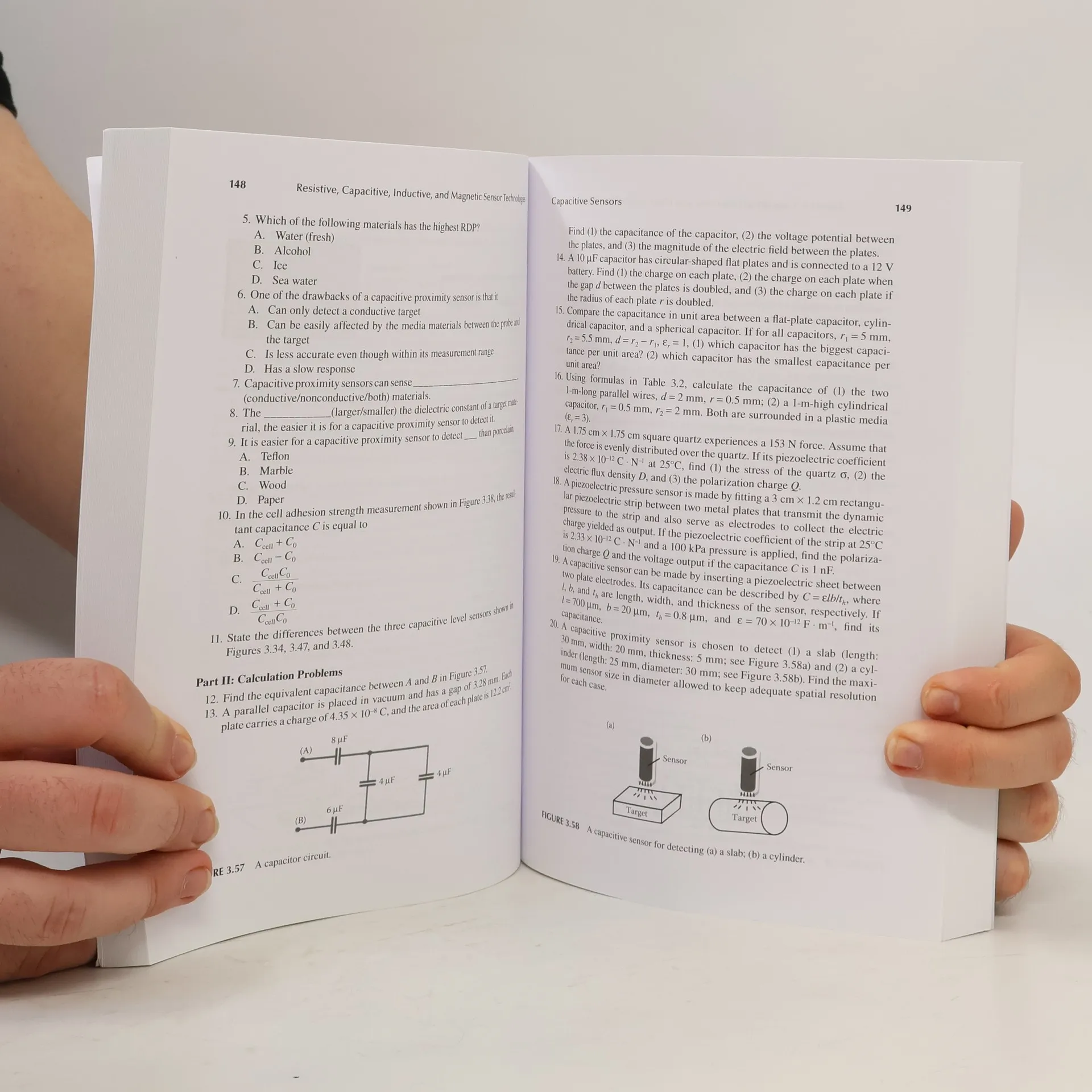
Sensor technologies have rapidly advanced, significantly impacting national security, health care, environmental improvement, energy management, food safety, construction monitoring, and manufacturing. However, education on these technologies has lagged behind. This text explores resistive, capacitive, inductive, and magnetic sensor technologies, offering real-world examples, sample problems, and practical exercises to illustrate the application of related science and engineering principles across various disciplines. It aids readers in understanding RCIM sensors and those with similar designs, characteristics, and circuitry. The book provides a comprehensive overview of RCIM sensing technologies, uniquely describing a broad range of sensors and their applications. It begins with a review of essential physics, then delves into intrinsic mechanisms, designs, materials, manufacturing methods, noise types, signal conditioning circuitry, and practical uses. Coverage includes silicon and metallic sensors, as well as those made from modern materials like ceramics, polymers, and organic substances. This resource offers cutting-edge information valuable to students, researchers, scientists, and professionals engaged in designing and applying sensor-based products across fields such as biomedical engineering, mechatronics, robotics, and aerospace.
Achat du livre
Series in Sensors: Resistive, Capacitive, Inductive, and Magnetic Sensor Technologies, Winncy Y. Du
- Langue

- Année de publication
- 2019
- Reliure
- (souple),
- État du livre
- Bon
- Prix
- 12,49 €
Modes de paiement
Personne n'a encore évalué .
- Titre
- Series in Sensors: Resistive, Capacitive, Inductive, and Magnetic Sensor Technologies
- Langue
- Anglais
- Auteurs
- Winncy Y. Du
- Éditeur
- CRC Press
- Publié
- 2019
- Format
- souple
- Pages
- 408
- ISBN10
- 0367864657
- ISBN13
- 9780367864651
- Séries
- Catégories
- Mots clés
- Sciences naturelles, Science, Technologie, Électronique
- Description
- Sensor technologies have rapidly advanced, significantly impacting national security, health care, environmental improvement, energy management, food safety, construction monitoring, and manufacturing. However, education on these technologies has lagged behind. This text explores resistive, capacitive, inductive, and magnetic sensor technologies, offering real-world examples, sample problems, and practical exercises to illustrate the application of related science and engineering principles across various disciplines. It aids readers in understanding RCIM sensors and those with similar designs, characteristics, and circuitry. The book provides a comprehensive overview of RCIM sensing technologies, uniquely describing a broad range of sensors and their applications. It begins with a review of essential physics, then delves into intrinsic mechanisms, designs, materials, manufacturing methods, noise types, signal conditioning circuitry, and practical uses. Coverage includes silicon and metallic sensors, as well as those made from modern materials like ceramics, polymers, and organic substances. This resource offers cutting-edge information valuable to students, researchers, scientists, and professionals engaged in designing and applying sensor-based products across fields such as biomedical engineering, mechatronics, robotics, and aerospace.