



Paramètres
- 416pages
- 15 heures de lecture
En savoir plus sur le livre
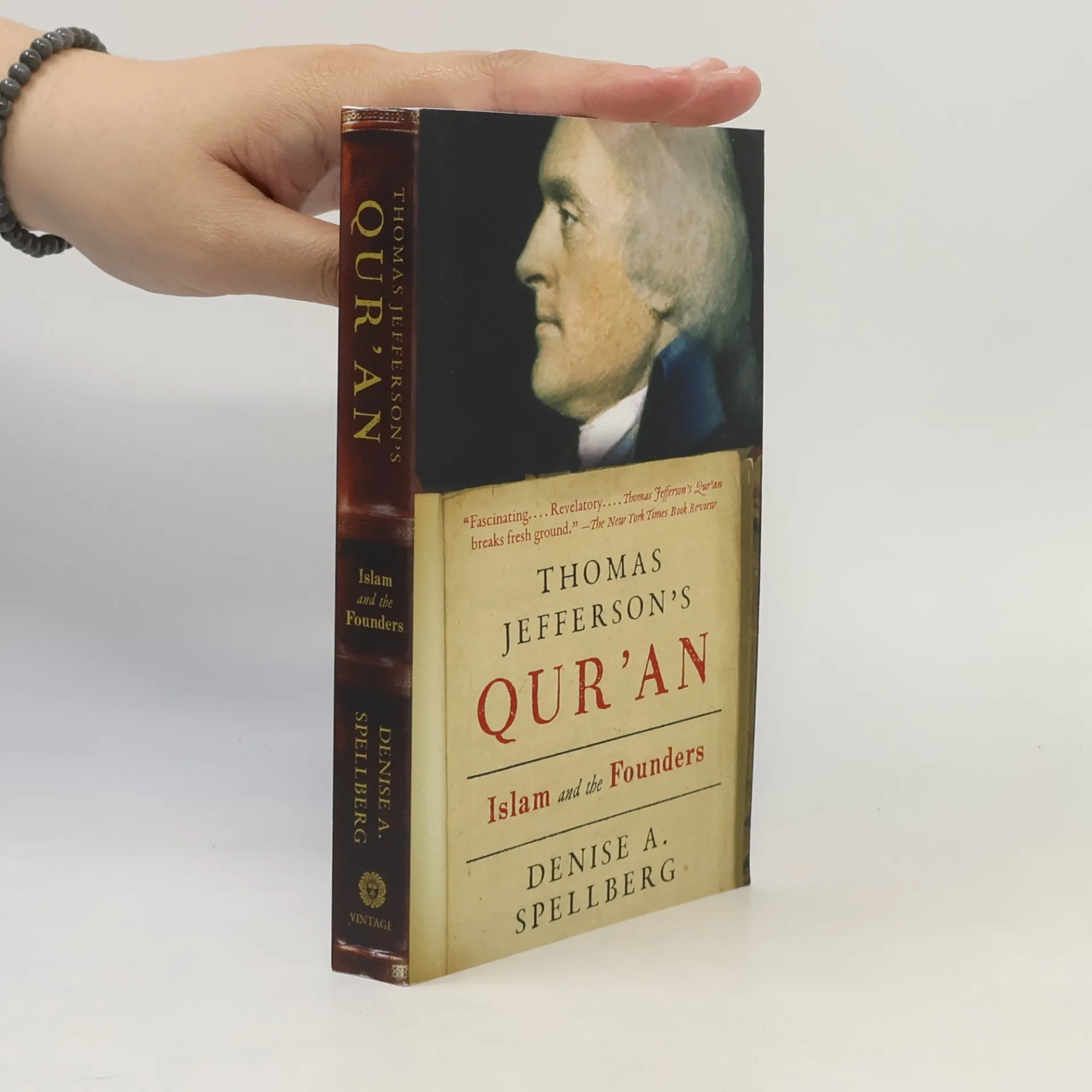
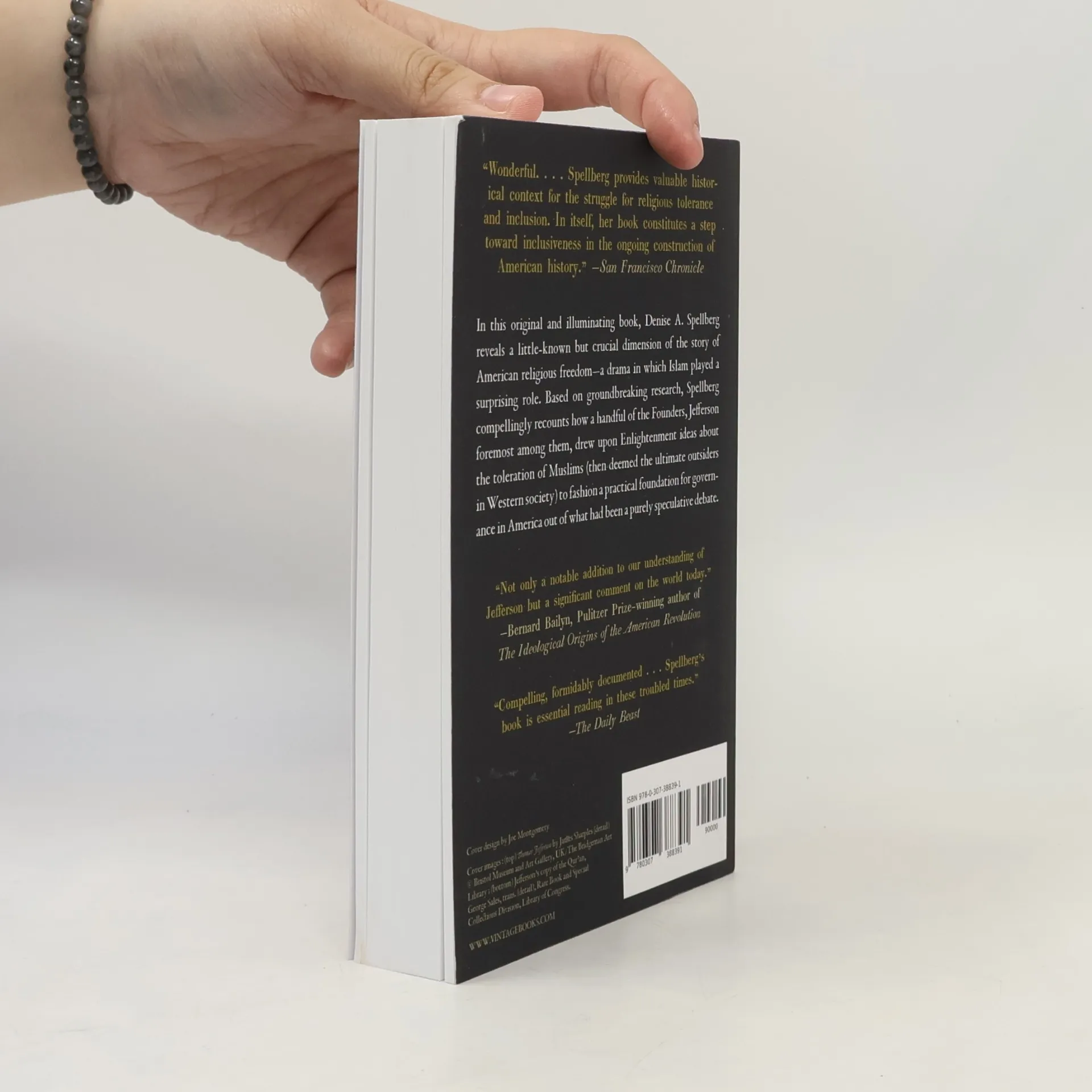
In this original and illuminating work, Denise A. Spellberg uncovers a crucial yet overlooked aspect of American religious freedom, highlighting the surprising role of Islam. In 1765, Thomas Jefferson purchased a Qur'an, marking the start of his enduring interest in Islam. He amassed numerous books on Middle Eastern languages and history, taking extensive notes on Islam's relation to English common law. Despite his personal disdain for the faith, common among his Protestant peers, Jefferson envisioned Muslims as potential citizens of the new nation by 1776. Spellberg's groundbreaking research reveals how a few Founding Fathers, particularly Jefferson, utilized Enlightenment ideas about tolerating Muslims—then seen as ultimate outsiders—to create a practical foundation for governance in America. Muslims, previously unknown in the colonies, became symbolic of a broader religious pluralism that would also include marginalized groups like Jews and Catholics. The contentious debate over Muslim inclusion, which led to Jefferson being vilified by his political opponents, ultimately influenced the Founders' decision against establishing a Protestant nation, paving the way for a more inclusive American identity.
Achat du livre
Thomas Jefferson's Qur'an, Denise A. Spellberg
- Langue

- Année de publication
- 2013
- Reliure
- (souple)
Modes de paiement
Personne n'a encore évalué .
- Titre
- Thomas Jefferson's Qur'an
- Sous-titre
- Islam and the Founders
- Langue
- Anglais
- Auteurs
- Denise A. Spellberg
- Éditeur
- Random House USA Inc
- Publié
- 2013
- Format
- souple
- Pages
- 416
- ISBN10
- 0307388395
- ISBN13
- 9780307388391
- Séries
- Catégories
- Mots clés
- Thème historique, Thèmes religieux, Thématique philosophique, Politique, États-Unis, Littérature américaine, Théories politiques, Histoire des États-Unis, XVIIIe siècle, Justice sociale, Histoire des religions, Géopolitique, Musulmans, Philosophie politique, Coran, Histoire de l'Islam, Islam et politique
- Description
- In this original and illuminating work, Denise A. Spellberg uncovers a crucial yet overlooked aspect of American religious freedom, highlighting the surprising role of Islam. In 1765, Thomas Jefferson purchased a Qur'an, marking the start of his enduring interest in Islam. He amassed numerous books on Middle Eastern languages and history, taking extensive notes on Islam's relation to English common law. Despite his personal disdain for the faith, common among his Protestant peers, Jefferson envisioned Muslims as potential citizens of the new nation by 1776. Spellberg's groundbreaking research reveals how a few Founding Fathers, particularly Jefferson, utilized Enlightenment ideas about tolerating Muslims—then seen as ultimate outsiders—to create a practical foundation for governance in America. Muslims, previously unknown in the colonies, became symbolic of a broader religious pluralism that would also include marginalized groups like Jews and Catholics. The contentious debate over Muslim inclusion, which led to Jefferson being vilified by his political opponents, ultimately influenced the Founders' decision against establishing a Protestant nation, paving the way for a more inclusive American identity.