

En savoir plus sur le livre
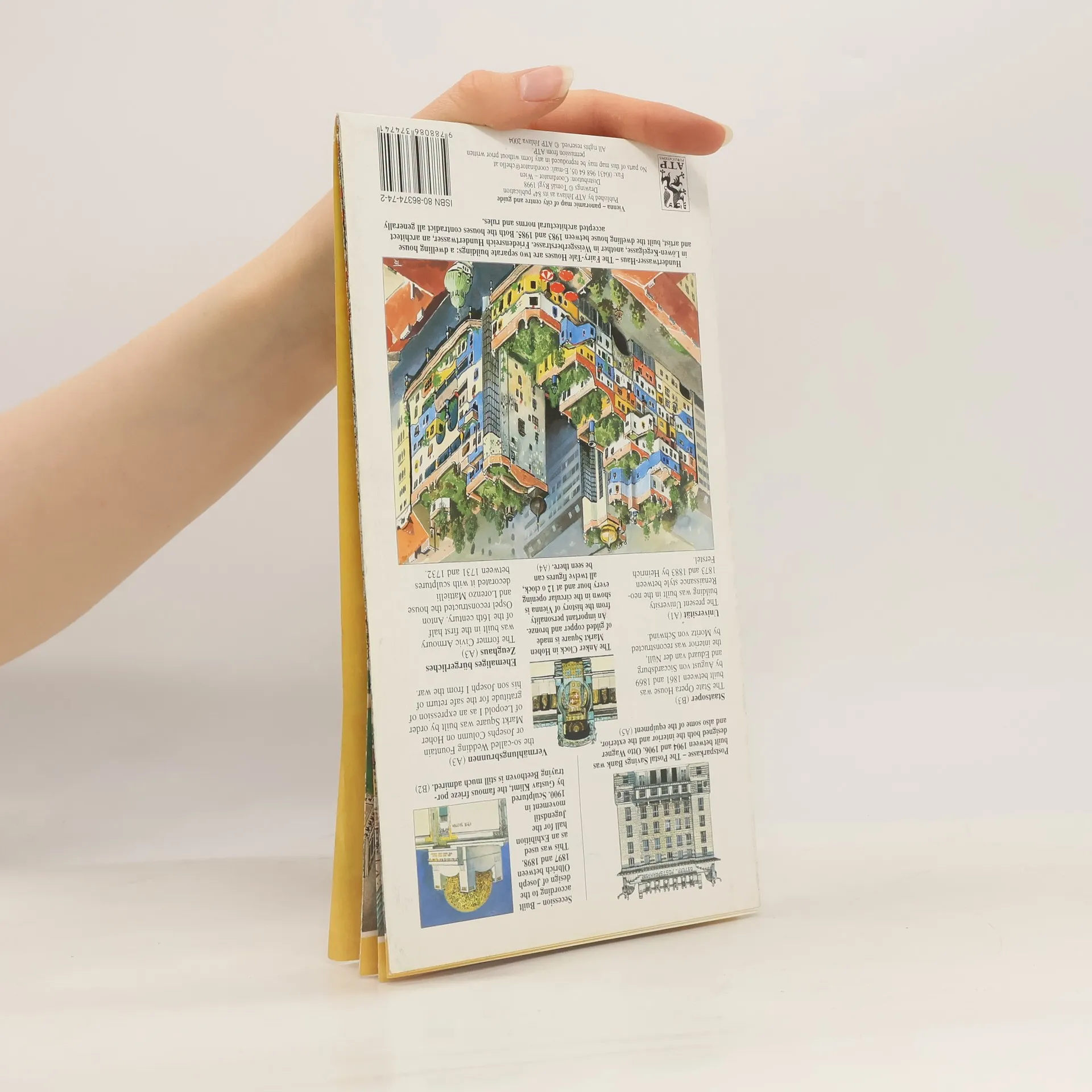
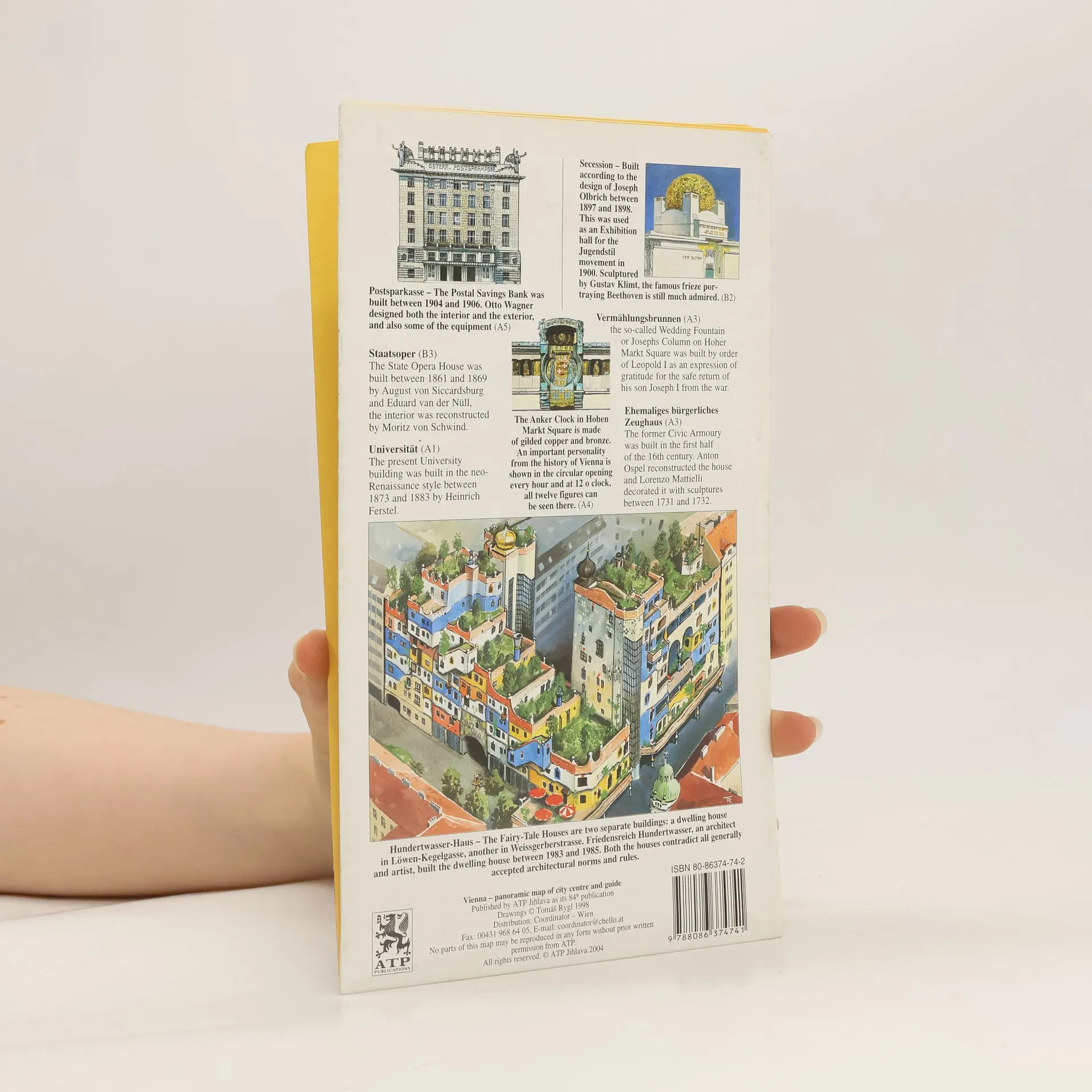
The Postal Savings Bank, designed by Otto Wagner, was constructed between 1904 and 1906, featuring both interior and exterior elements by the architect. The State Opera House, built from 1861 to 1869 by August von Siccardsburg and Eduard van der Nüll, saw its interior reconstructed by Moritz von Schwind. The current University building, designed in the neo-Renaissance style by Heinrich Ferstel, was completed between 1873 and 1883. The Secession, an exhibition hall for the Jugendstil movement, was constructed from 1897 to 1898 based on Joseph Olbrich's design, with Gustav Klimt's renowned frieze of Beethoven adorning its interior. The Anker Clock, located in Hohen Markt Square, is a gilded copper and bronze structure. The Wedding Fountain, or Josephs Column, was commissioned by Leopold I to celebrate the safe return of his son Joseph I from war, showcasing a significant historical figure every hour, with all twelve figures appearing at noon. The former Civic Armoury, built in the first half of the 16th century, was reconstructed by Anton Ospel and decorated with sculptures by Lorenzo Mattielli between 1731 and 1732. The Fairy-Tale Houses, designed by Friedensreich Hundertwasser, consist of two buildings that defy conventional architectural norms, with the dwelling house completed between 1983 and 1985.
Achat du livre
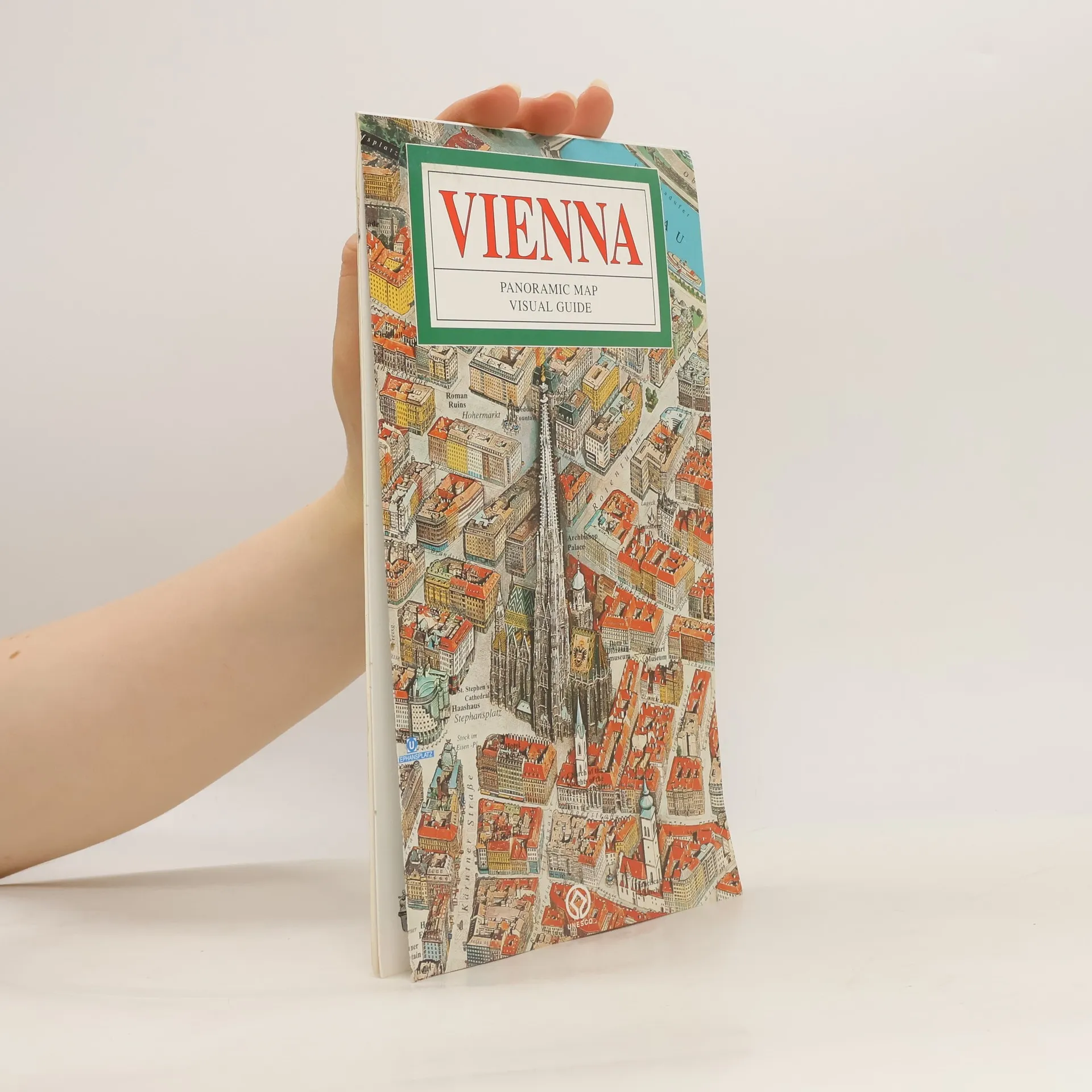
Vienna, Tomáš Rygl
- Langue

- Année de publication
- 2004
- Reliure
- (souple)
Modes de paiement
Personne n'a encore évalué .
- Titre
- Vienna
- Sous-titre
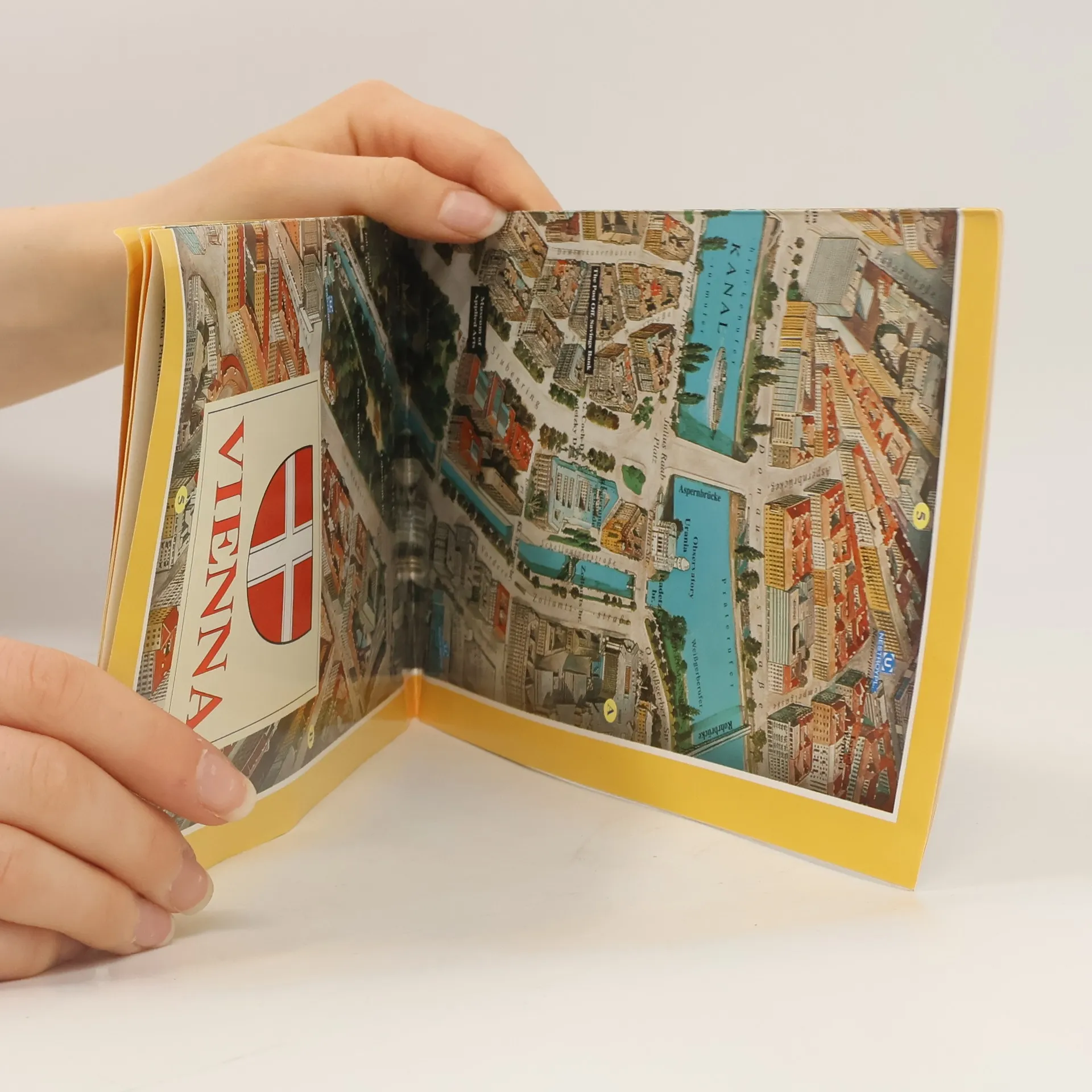
- Panoramic Map Visual Guide
- Langue
- Anglais
- Auteurs
- Tomáš Rygl
- Éditeur
- ATP
- Publié
- 2004
- Format
- souple
- ISBN10
- 8086374742
- ISBN13
- 9788086374741
- Séries
- Catégories
- Mots clés
- Voyage, Architecture
- Description
- The Postal Savings Bank, designed by Otto Wagner, was constructed between 1904 and 1906, featuring both interior and exterior elements by the architect. The State Opera House, built from 1861 to 1869 by August von Siccardsburg and Eduard van der Nüll, saw its interior reconstructed by Moritz von Schwind. The current University building, designed in the neo-Renaissance style by Heinrich Ferstel, was completed between 1873 and 1883. The Secession, an exhibition hall for the Jugendstil movement, was constructed from 1897 to 1898 based on Joseph Olbrich's design, with Gustav Klimt's renowned frieze of Beethoven adorning its interior. The Anker Clock, located in Hohen Markt Square, is a gilded copper and bronze structure. The Wedding Fountain, or Josephs Column, was commissioned by Leopold I to celebrate the safe return of his son Joseph I from war, showcasing a significant historical figure every hour, with all twelve figures appearing at noon. The former Civic Armoury, built in the first half of the 16th century, was reconstructed by Anton Ospel and decorated with sculptures by Lorenzo Mattielli between 1731 and 1732. The Fairy-Tale Houses, designed by Friedensreich Hundertwasser, consist of two buildings that defy conventional architectural norms, with the dwelling house completed between 1983 and 1985.