


En savoir plus sur le livre
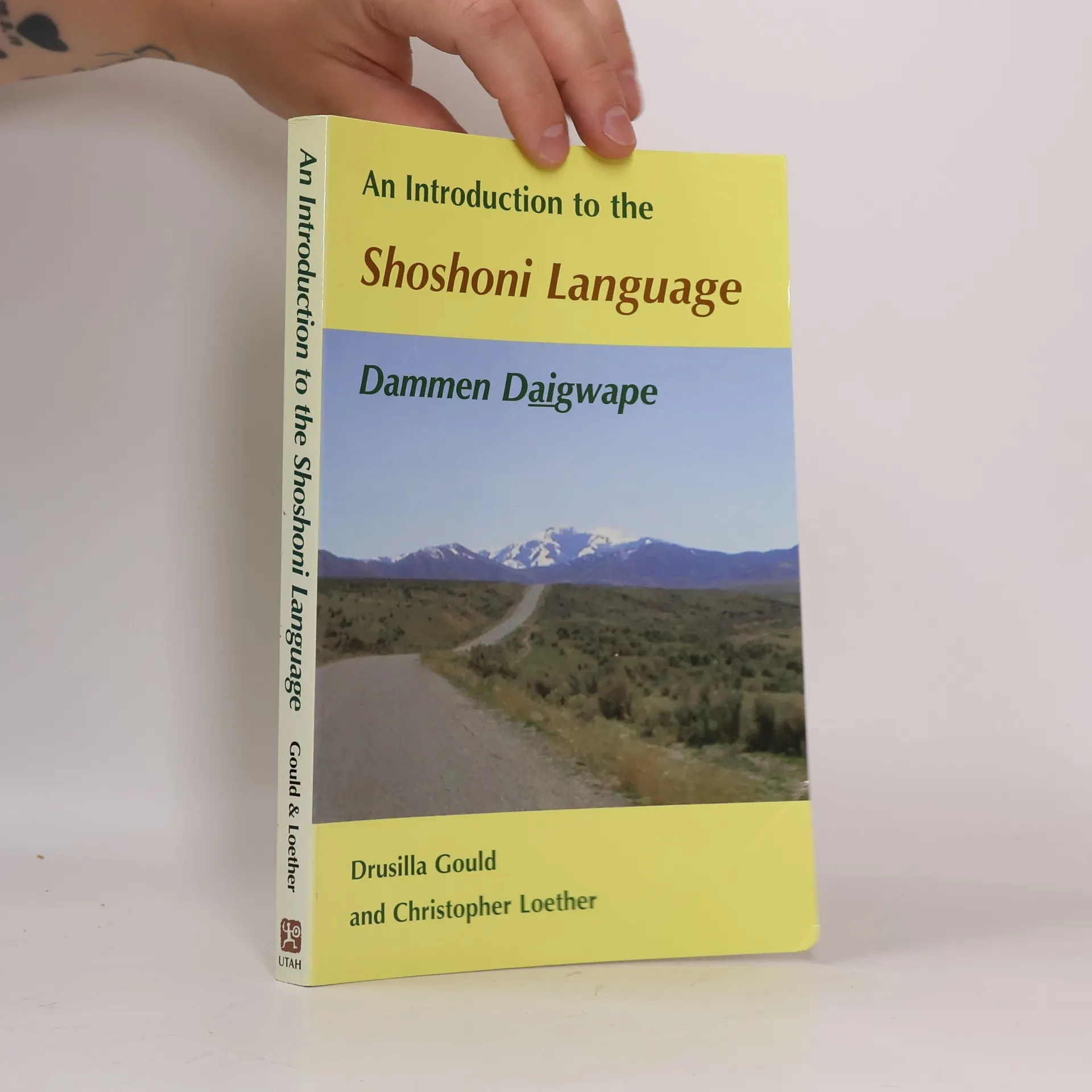
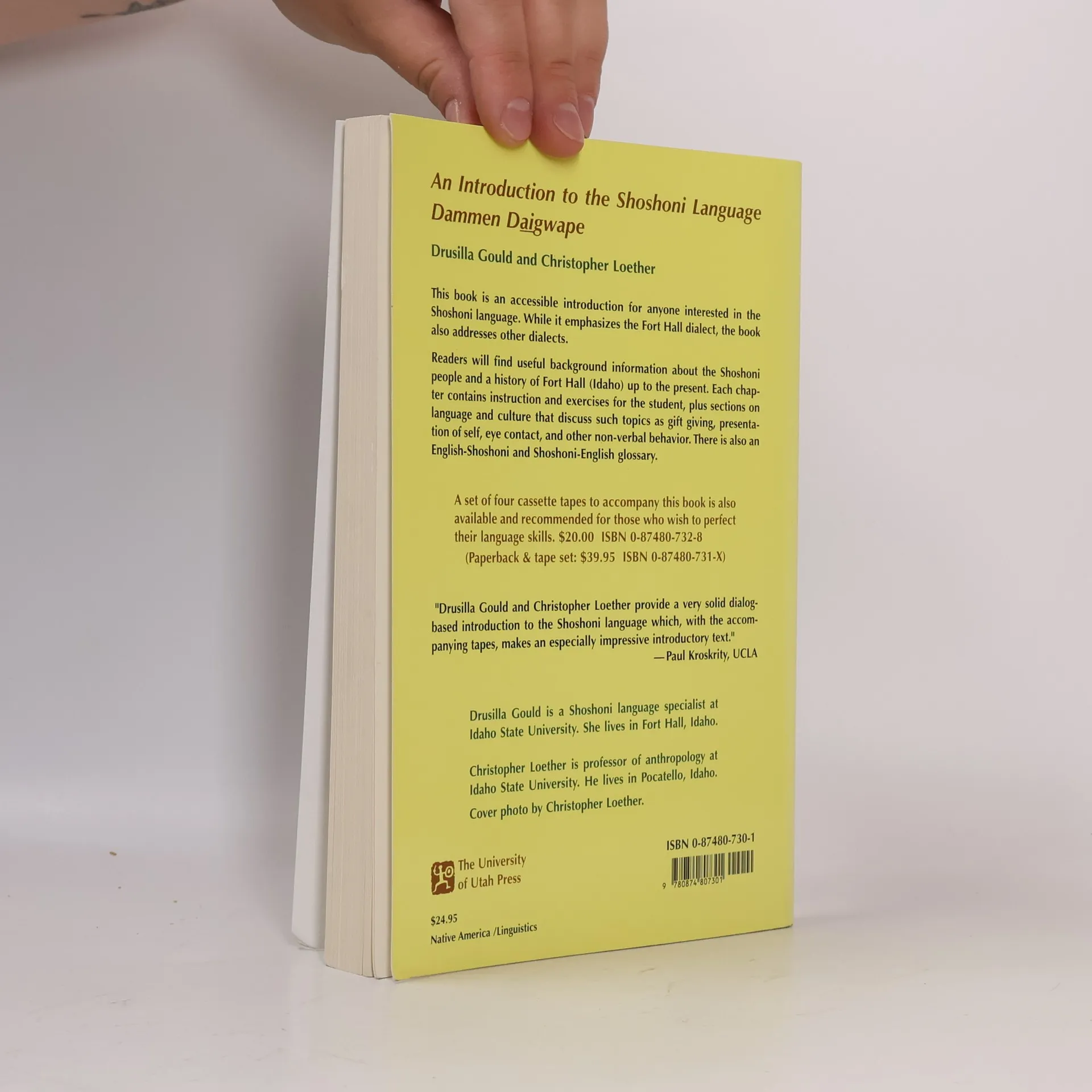
This book is an primary text for the Shoshoni language that provides basic information on the phonology and grammar of the language. While the book emphasizes the Fort Hall dialect, it also addresses other dialects. Primarily conceived as a college or high school-level textbook, it is also an accessible introduction for anyone interested in the language. Readers will find useful background information about the Shoshoni people, and a history of Fort Hall into the present day. Each chapter contains exercises for the student, and sections on language and culture that discuss such topics as gift giving, presentation of self, eye contact, and other non-verbal behavior.Listen to the open source audio companion to this
Achat du livre
An Introduction to the Shoshoni Language, Dammen Daigwape, Drusilla Gould, Christopher Loether
- Langue

- Année de publication
- 2003
- Reliure
- (souple)
Modes de paiement
Personne n'a encore évalué .
- Titre
- An Introduction to the Shoshoni Language
- Sous-titre
- Dammen Daigwape
- Langue
- Anglais
- Éditeur
- University of Utah Press
- Publié
- 2003
- Format
- souple
- Pages
- 224
- ISBN10
- 0874807301
- ISBN13
- 9780874807301
- Séries
- Description
- This book is an primary text for the Shoshoni language that provides basic information on the phonology and grammar of the language. While the book emphasizes the Fort Hall dialect, it also addresses other dialects. Primarily conceived as a college or high school-level textbook, it is also an accessible introduction for anyone interested in the language. Readers will find useful background information about the Shoshoni people, and a history of Fort Hall into the present day. Each chapter contains exercises for the student, and sections on language and culture that discuss such topics as gift giving, presentation of self, eye contact, and other non-verbal behavior.Listen to the open source audio companion to this