


En savoir plus sur le livre
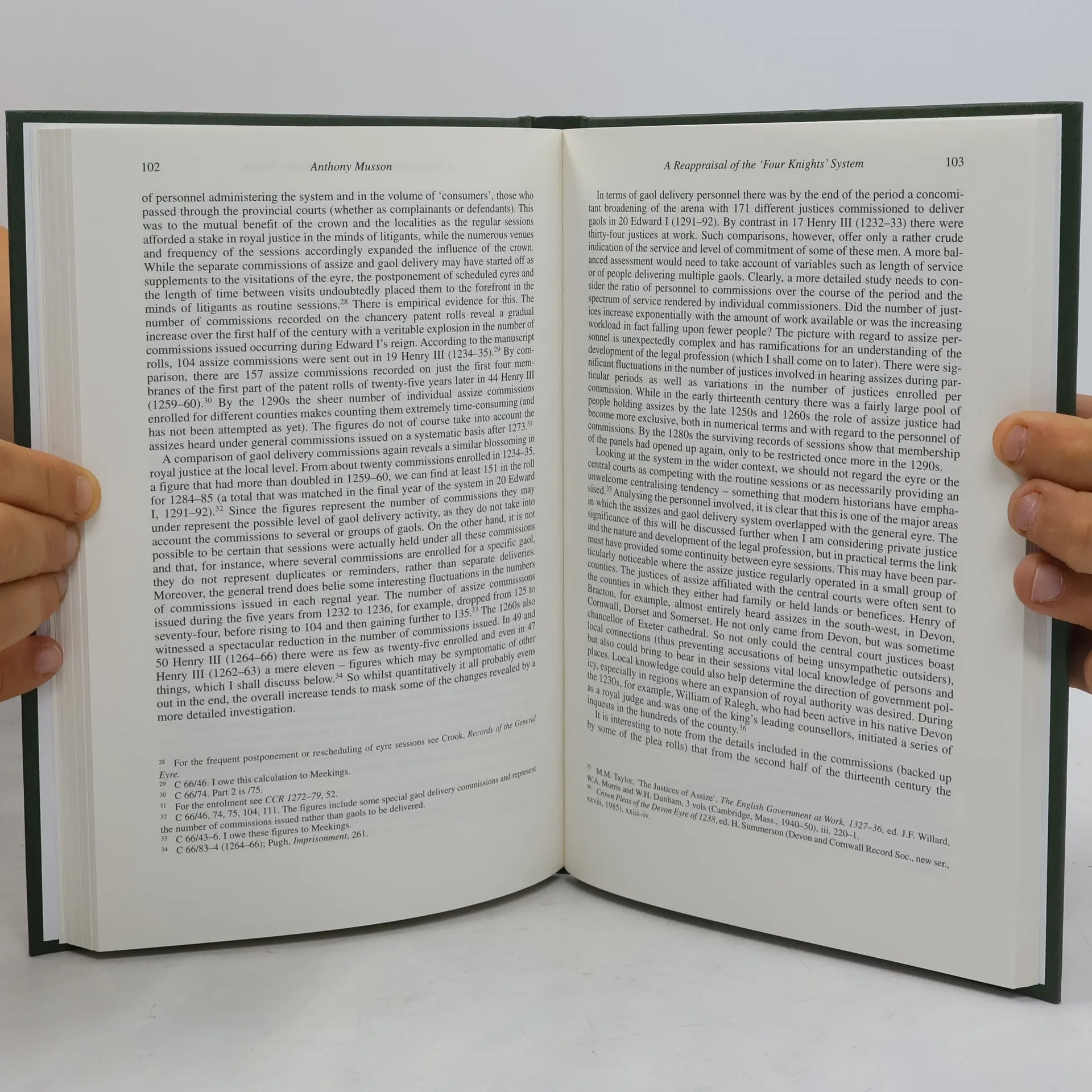
Papers on aspects of the growth of royal government during the century.The size and jurisdiction of English royal government underwent sustained development in the thirteenth century, an understanding of which is crucial to a balanced view of medieval English society. The papers here follow three central the development of central government, law and justice, and the crown and the localities. Examined within this framework are bureaucracy and enrolment under John and his contemporaries; the Royal Chancery; the adaptation of the Exchequer in response to the rapidly changing demands of the crown; the introduction of a licensing system for mortmain alienations; the administration of local justice; women as sheriffs; and a Nottinghamshire study examining the tensions between the role of the king as manorial lord and as monarch. NICK BARRATT, PAUL R. BRAND, DAVID CARPENTER, DAVID CROOK, ANTHONY MUSSON, NICHOLAS C. VINCENT, LOUISE WILKINSON
Achat du livre
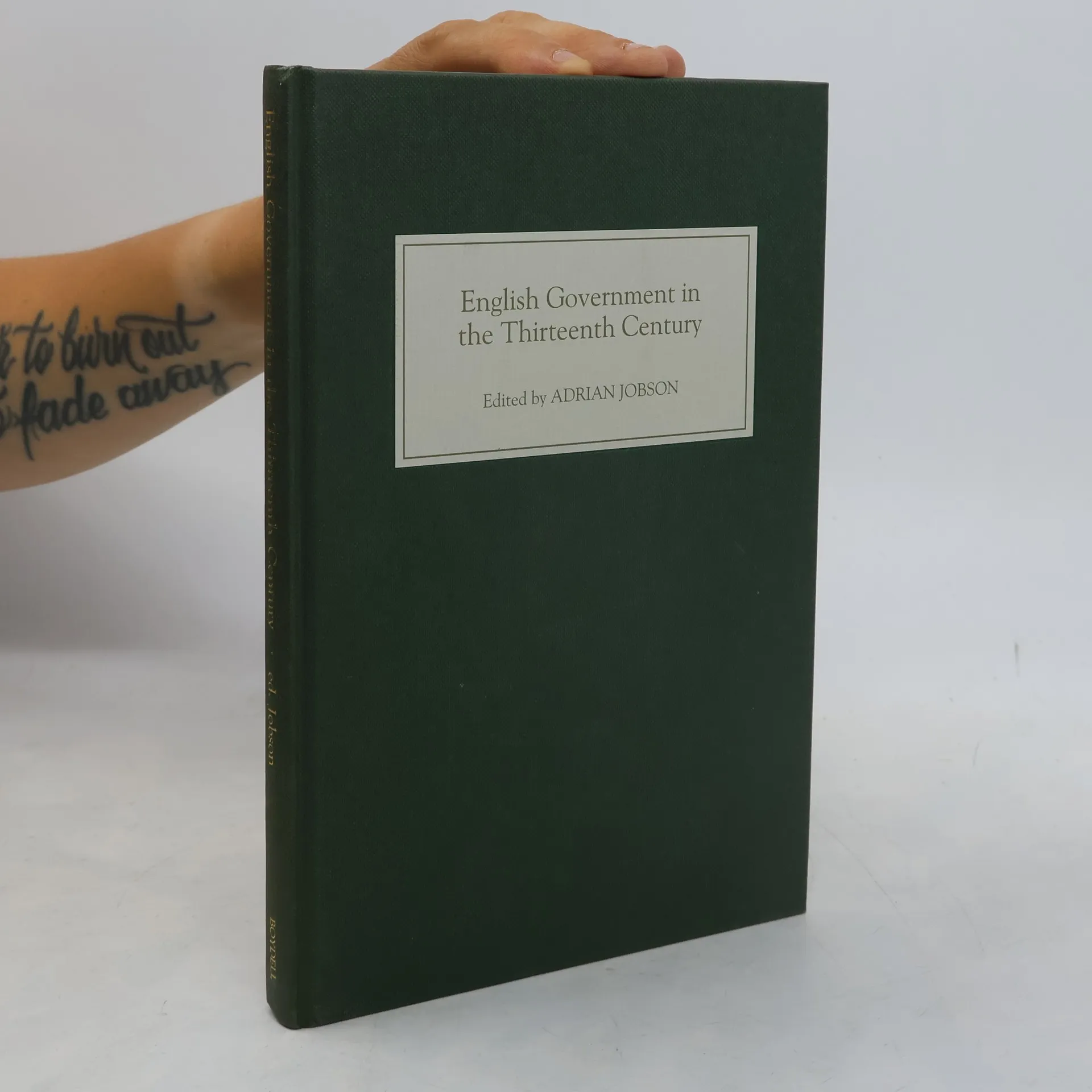
English Government in the Thirteenth Century: Edited by Adrian Jobson, David Crook, Anthony Musson, Adrian Jobson, David X. Carpenter
- Langue

- Année de publication
- 2004
- Reliure
- (rigide),
- État du livre
- Très bon
- Prix
- 4,49 €
Modes de paiement
Personne n'a encore évalué .
- Titre
- English Government in the Thirteenth Century: Edited by Adrian Jobson
- Langue
- Anglais
- Éditeur
- Boydell Press
- Publié
- 2004
- Format
- rigide
- Pages
- 151
- ISBN10
- 1843830566
- ISBN13
- 9781843830566
- Séries
- Catégories
- Mots clés
- Thème historique, Commerce, Thématique juridique, Autre histoire
- Description
- Papers on aspects of the growth of royal government during the century.The size and jurisdiction of English royal government underwent sustained development in the thirteenth century, an understanding of which is crucial to a balanced view of medieval English society. The papers here follow three central the development of central government, law and justice, and the crown and the localities. Examined within this framework are bureaucracy and enrolment under John and his contemporaries; the Royal Chancery; the adaptation of the Exchequer in response to the rapidly changing demands of the crown; the introduction of a licensing system for mortmain alienations; the administration of local justice; women as sheriffs; and a Nottinghamshire study examining the tensions between the role of the king as manorial lord and as monarch. NICK BARRATT, PAUL R. BRAND, DAVID CARPENTER, DAVID CROOK, ANTHONY MUSSON, NICHOLAS C. VINCENT, LOUISE WILKINSON