


En savoir plus sur le livre
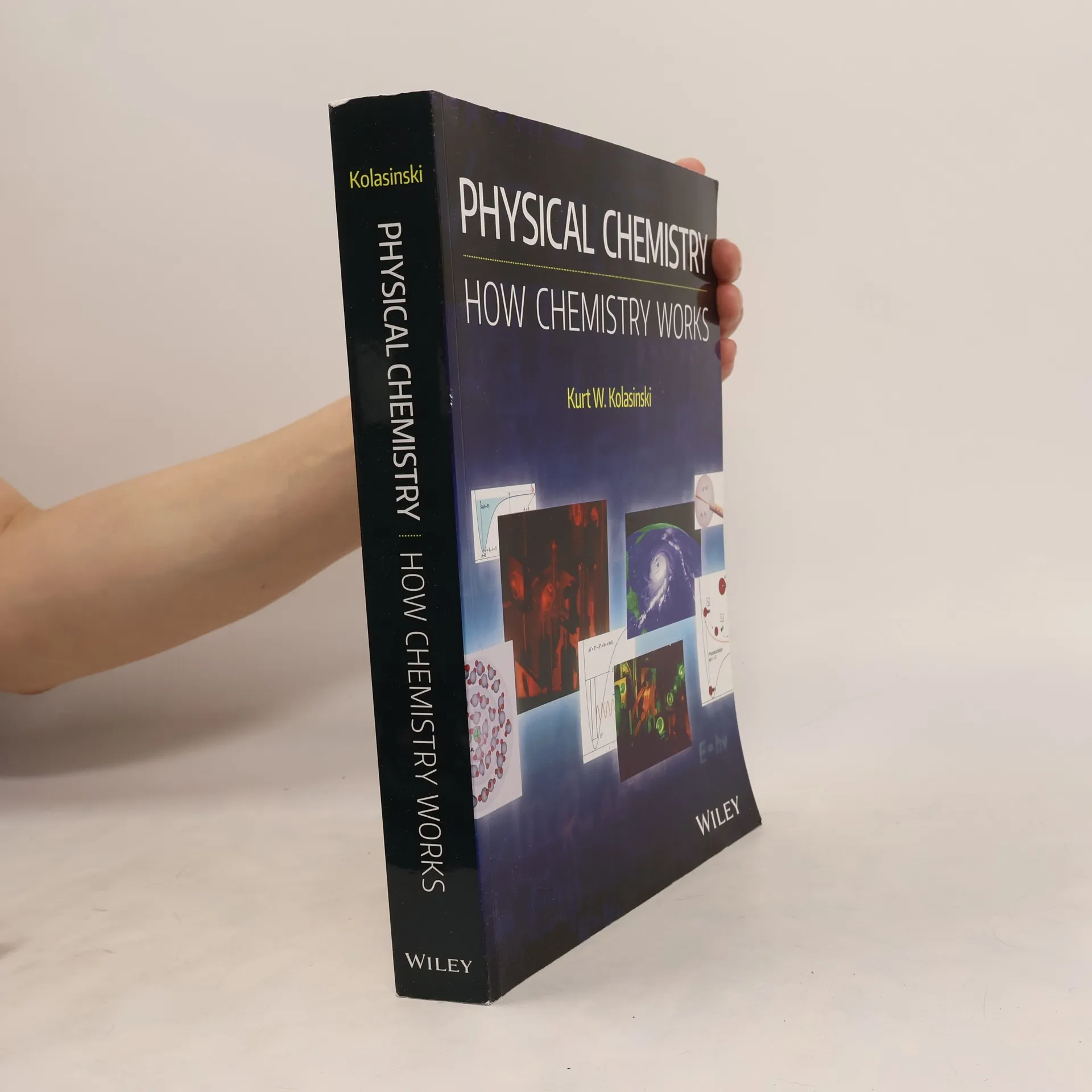
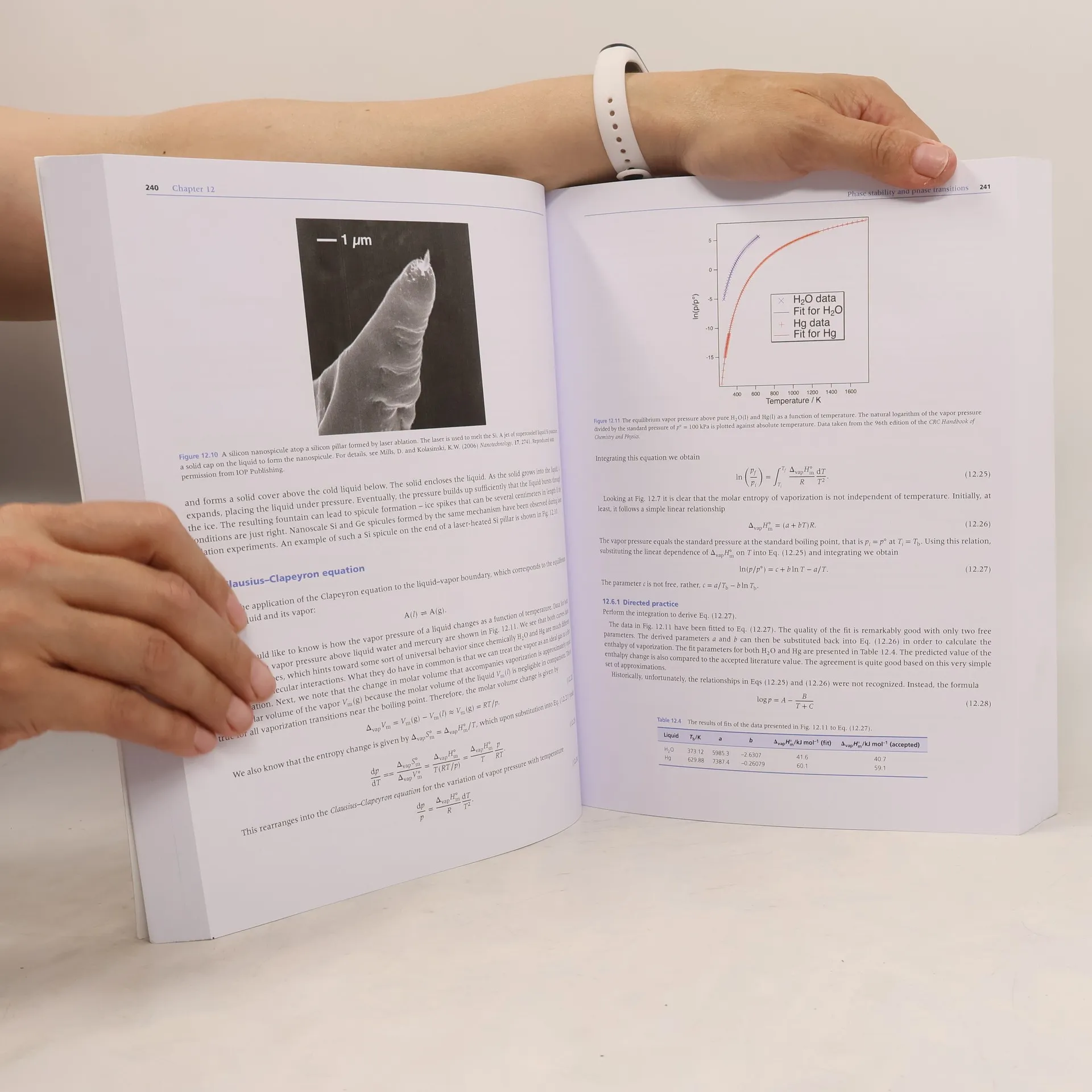
Much of chemistry is motivated by asking 'How'? How do I make a primary alcohol? React a Grignard reagent with formaldehyde . Physical chemistry is motivated by asking 'Why'? The Grignard reagent and formaldehyde follow a molecular dance known as a reaction mechanism in which stronger bonds are made at the expense of weaker bonds . If you are interested in asking 'why' and not just 'how', then you need to understand physical chemistry. Physical Chemistry: How Chemistry Works takes a fresh approach to teaching in physical chemistry. This modern textbook is designed to excite and engage undergraduate chemistry students and prepare them for how they will employ physical chemistry in real life. The student-friendly approach and practical, contemporary examples facilitate an understanding of the physical chemical aspects of any system, allowing students of inorganic chemistry, organic chemistry, analytical chemistry and biochemistry to be fluent in the essentials of physical chemistry in order to understand synthesis, intermolecular interactions and materials properties. For students who are deeply interested in the subject of physical chemistry, the textbook facilitates further study by connecting them to the frontiers of research.
Achat du livre
Physical Chemistry, Kurt W. Kolasinski
- Langue

- Année de publication
- 2016
- Reliure
- (souple)
Modes de paiement
Personne n'a encore évalué .
- Titre
- Physical Chemistry
- Sous-titre
- How Chemistry Works
- Langue
- Anglais
- Auteurs
- Kurt W. Kolasinski
- Éditeur
- John Wiley & Sons Inc
- Publié
- 2016
- Format
- souple
- Pages
- 752
- ISBN10
- 1118751124
- ISBN13
- 9781118751121
- Séries
- Catégories
- Description
- Much of chemistry is motivated by asking 'How'? How do I make a primary alcohol? React a Grignard reagent with formaldehyde . Physical chemistry is motivated by asking 'Why'? The Grignard reagent and formaldehyde follow a molecular dance known as a reaction mechanism in which stronger bonds are made at the expense of weaker bonds . If you are interested in asking 'why' and not just 'how', then you need to understand physical chemistry. Physical Chemistry: How Chemistry Works takes a fresh approach to teaching in physical chemistry. This modern textbook is designed to excite and engage undergraduate chemistry students and prepare them for how they will employ physical chemistry in real life. The student-friendly approach and practical, contemporary examples facilitate an understanding of the physical chemical aspects of any system, allowing students of inorganic chemistry, organic chemistry, analytical chemistry and biochemistry to be fluent in the essentials of physical chemistry in order to understand synthesis, intermolecular interactions and materials properties. For students who are deeply interested in the subject of physical chemistry, the textbook facilitates further study by connecting them to the frontiers of research.