

En savoir plus sur le livre
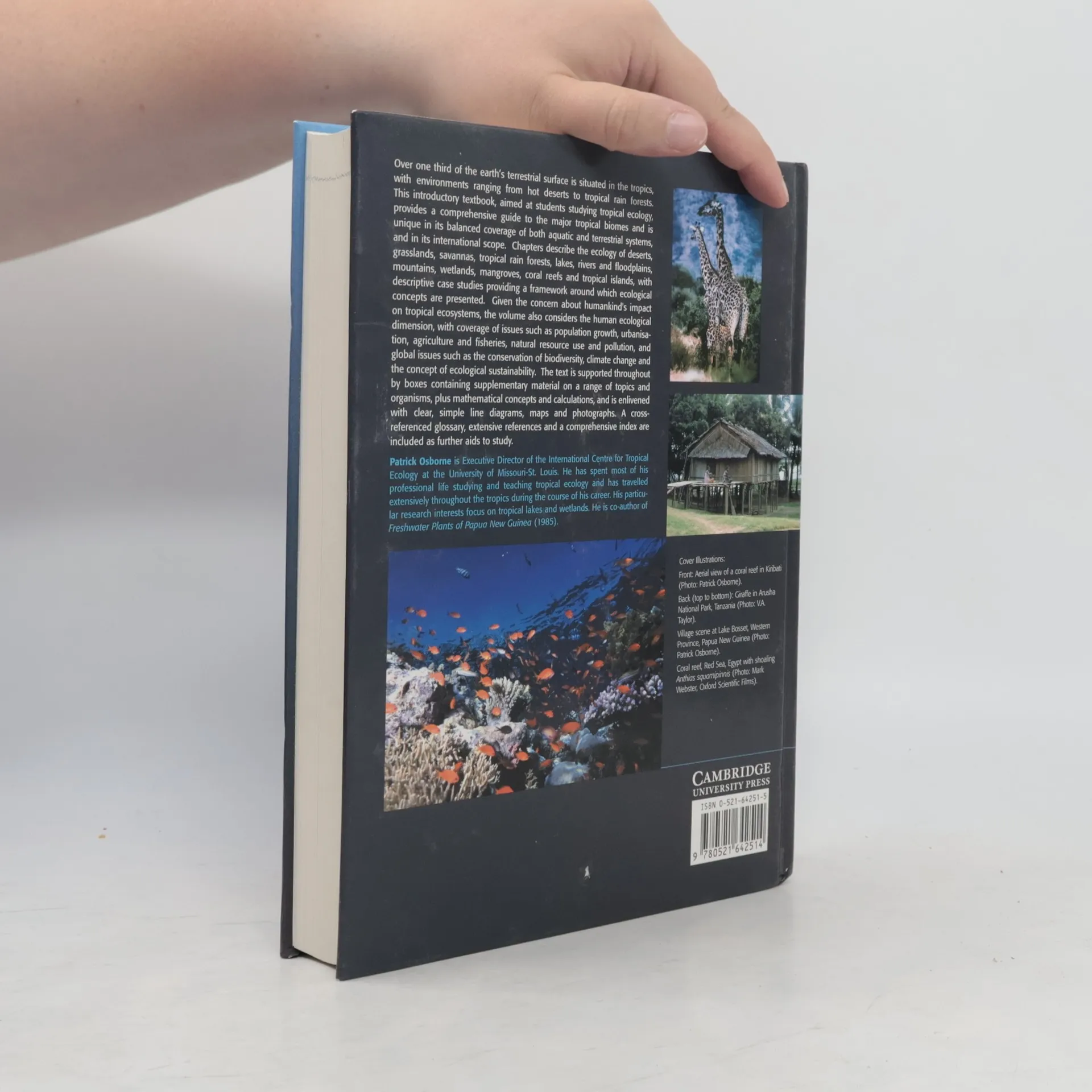
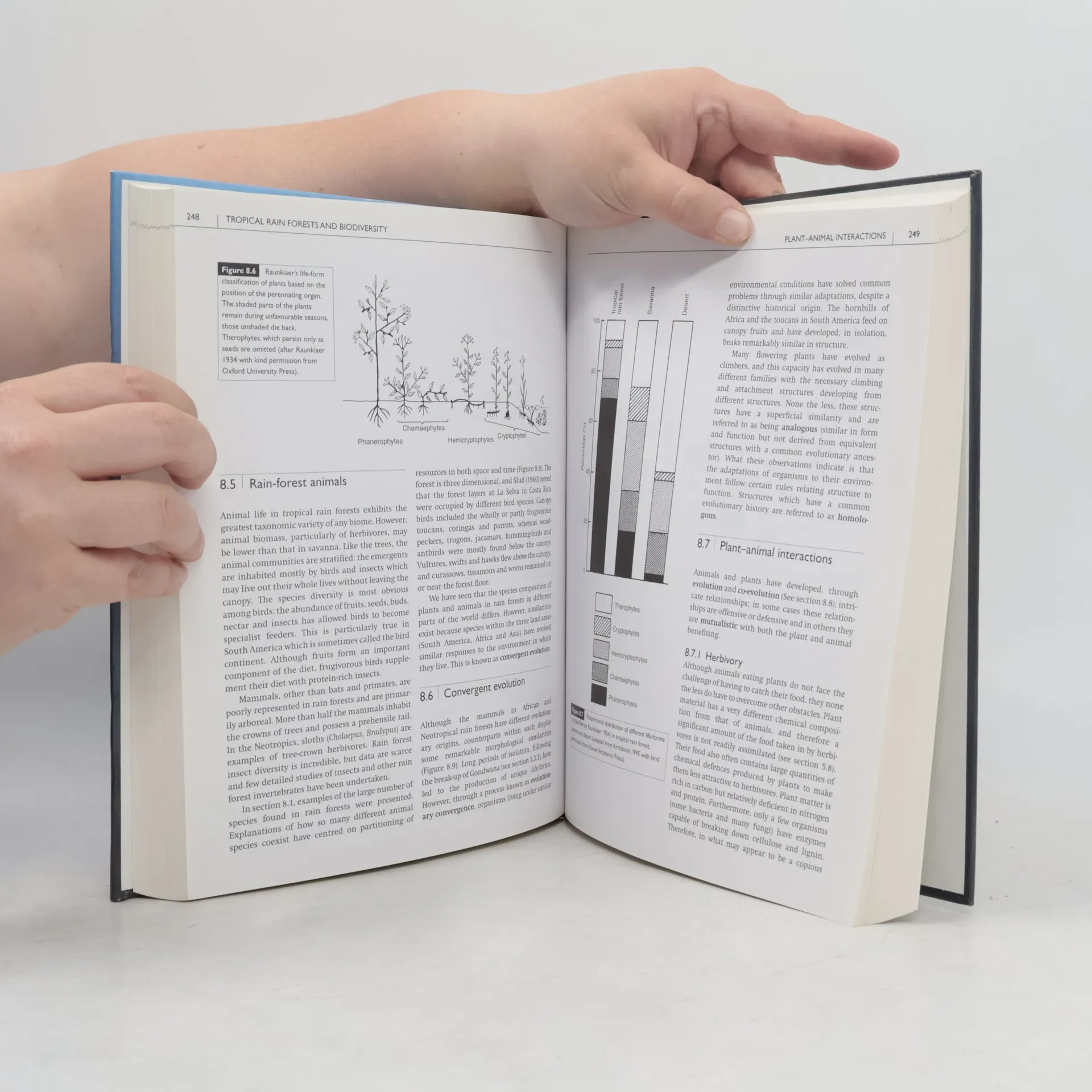
Over one third of the earth's terrestrial surface is situated in the tropics, with environments ranging from hot deserts to tropical rain forests. This introductory textbook, aimed at students studying tropical ecology, provides a comprehensive guide to the major tropical biomes and is unique in its balanced coverage of both aquatic and terrestrial systems. The volume considers the human ecological dimension, covering issues such as population growth, urbanization, agriculture and fisheries, natural resource use, and pollution. It is international in scope and addresses global issues such as conservation of biodiversity, climate change, and the concept of ecological sustainability. The text is supported throughout by boxes containing supplementary material on a range of topics and organisms, mathematical concepts and calculations, and is enlivened with clear line diagrams, maps, and photographs. A cross-referenced glossary, extensive bibliography, and comprehensive index are included as further aids to study.
Achat du livre
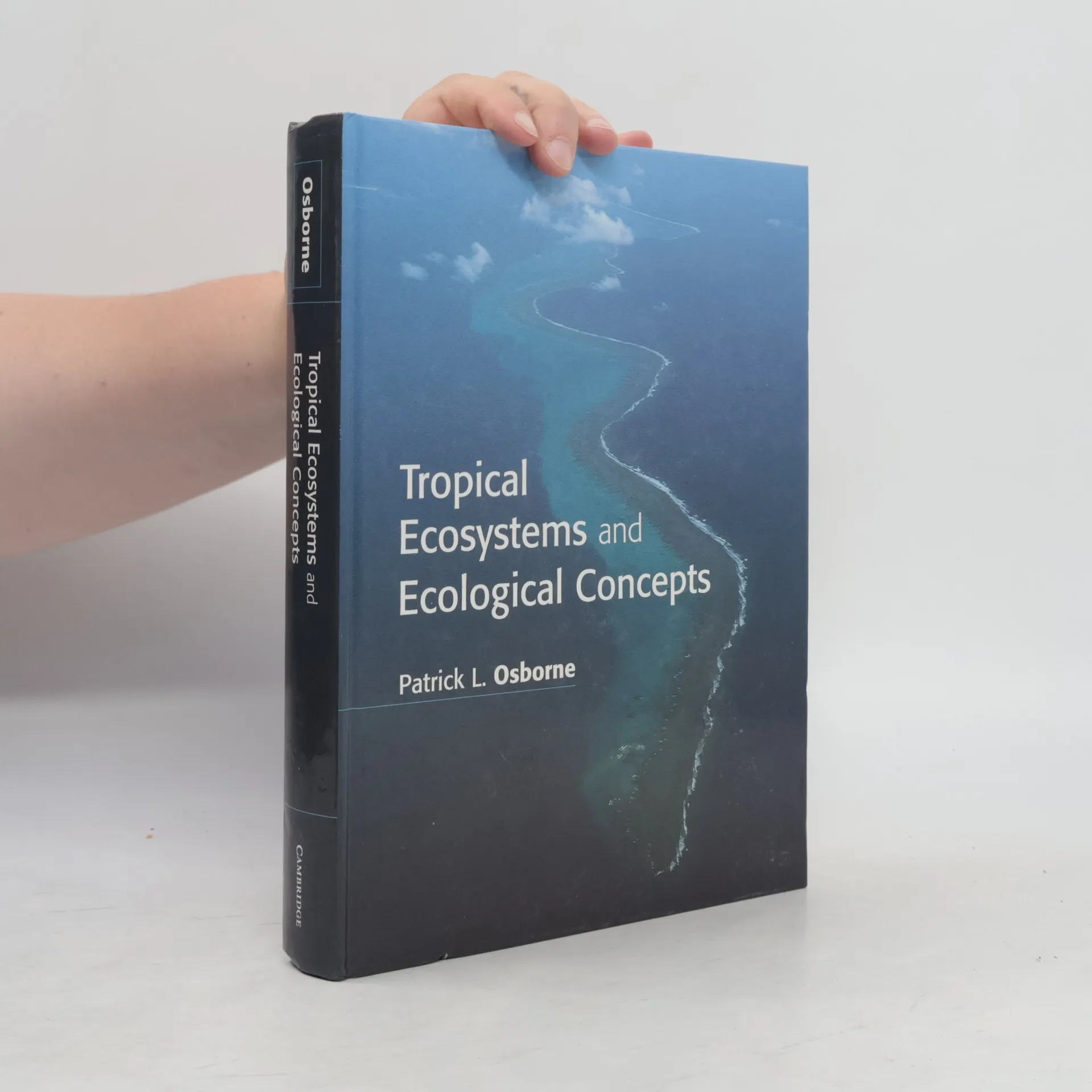
Tropical Ecosystems and Ecological Concepts, Patrick L. Osborne
- Langue

- Année de publication
- 2000
- Reliure
- (rigide),
- État du livre
- Bon
- Prix
- 19,49 €
Modes de paiement
Personne n'a encore évalué .
- Titre
- Tropical Ecosystems and Ecological Concepts
- Langue
- Anglais
- Auteurs
- Patrick L. Osborne
- Éditeur
- Cambridge University Press
- Publié
- 2000
- Format
- rigide
- Pages
- 478
- ISBN10
- 0521642515
- ISBN13
- 9780521642514
- Séries
- Mots clés
- La nature, Thématique écologique
- Description
- Over one third of the earth's terrestrial surface is situated in the tropics, with environments ranging from hot deserts to tropical rain forests. This introductory textbook, aimed at students studying tropical ecology, provides a comprehensive guide to the major tropical biomes and is unique in its balanced coverage of both aquatic and terrestrial systems. The volume considers the human ecological dimension, covering issues such as population growth, urbanization, agriculture and fisheries, natural resource use, and pollution. It is international in scope and addresses global issues such as conservation of biodiversity, climate change, and the concept of ecological sustainability. The text is supported throughout by boxes containing supplementary material on a range of topics and organisms, mathematical concepts and calculations, and is enlivened with clear line diagrams, maps, and photographs. A cross-referenced glossary, extensive bibliography, and comprehensive index are included as further aids to study.