

En savoir plus sur le livre
The purpose of this book is to present a broader view of intelligence than simply that which is defined by performance in intelligence tests, and to document the importance of intelligence not only in schools but in everyday life, including both job-related and domestic settings. Practical Intelligence brings together 15 chapters by distinguished experts in the field. It includes four main parts, plus introductory and concluding chapters. The first part deals with intelligence as it operates in job-related settings. The second part deals with intelligence as it operates in other, everyday settings. The third part deals with the development of practical intelligence over the lifespan. The fourth part deals with the relations between practical intelligence, on the one hand, and culture and society, on the other. The chapters represent a diversity of theoretical and methodological perspectives. Together, they offer a comprehensive overview of the current state of thinking about practical intelligence.
Achat du livre
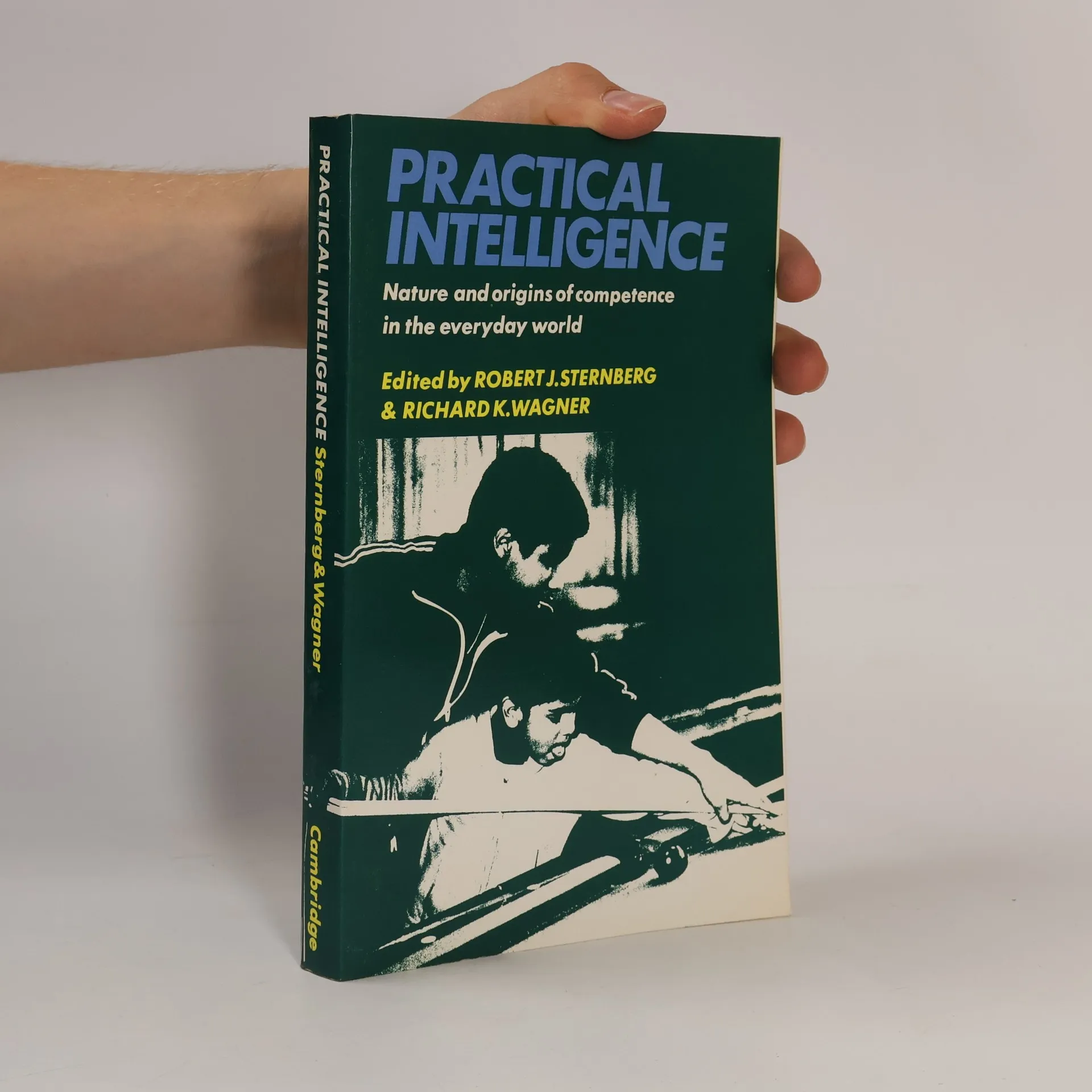
Practical Intelligence, Robert J. Sternberg, Richard K. Wagner
- Langue

- Année de publication
- 1986
- Reliure
- (souple)
Modes de paiement
Personne n'a encore évalué .
- Titre
- Practical Intelligence
- Sous-titre
- Nature and Origins of Competence in the Everyday World
- Langue
- Anglais
- Auteurs
- Robert J. Sternberg, Richard K. Wagner
- Éditeur
- Cambridge University Press
- Publié
- 1986
- Format
- souple
- Pages
- 396
- ISBN10
- 0521317975
- ISBN13
- 9780521317979
- Séries
- Catégories
- Mots clés
- Thèmes psychologiques
- Description
- The purpose of this book is to present a broader view of intelligence than simply that which is defined by performance in intelligence tests, and to document the importance of intelligence not only in schools but in everyday life, including both job-related and domestic settings. Practical Intelligence brings together 15 chapters by distinguished experts in the field. It includes four main parts, plus introductory and concluding chapters. The first part deals with intelligence as it operates in job-related settings. The second part deals with intelligence as it operates in other, everyday settings. The third part deals with the development of practical intelligence over the lifespan. The fourth part deals with the relations between practical intelligence, on the one hand, and culture and society, on the other. The chapters represent a diversity of theoretical and methodological perspectives. Together, they offer a comprehensive overview of the current state of thinking about practical intelligence.