

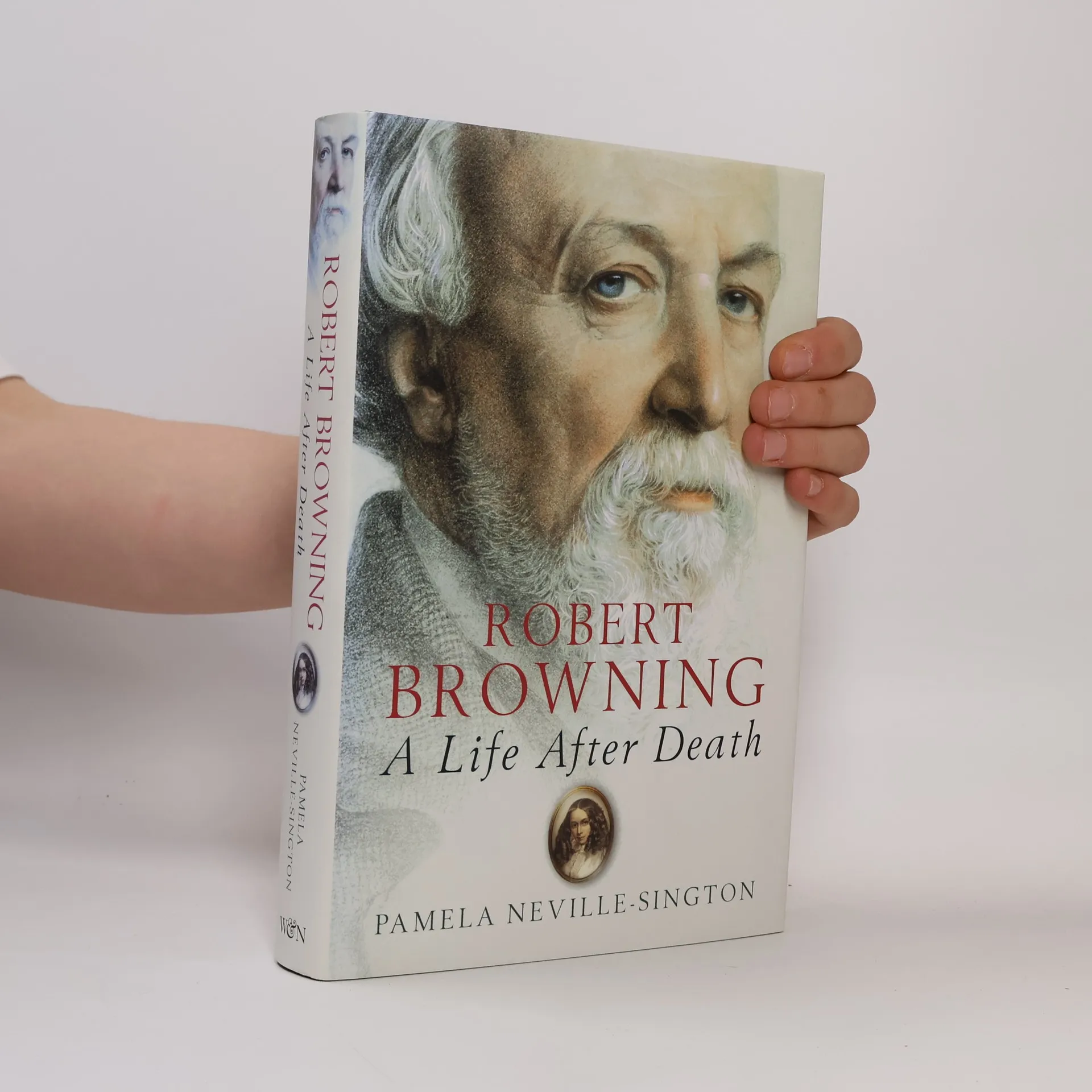
Robert Browning
A Life After Death
Auteurs
Paramètres
- 360pages
- 13 heures de lecture
En savoir plus sur le livre
Robert Browning spent fifteen years married to a fellow poet, Elizabeth Barrett. It was a good marriage but Pamela Neville-Sington shows how their union proved a disaster for Browning's literary career. Robert was less well-known than Elizabeth when they married but he hoped he'd produce his best work with his wife and Muse by his side. However, although Elizabeth encouraged her husband's ambition, she became his Siren rather than Muse - disabling him with her song. Browning was forty-nine when Elizabeth died, and this new biography takes her death as its starting point. The central drama of Browning's life was the conflict between a need to put his marriage behind him (he had a young son, Pen, to bring up) and the overwhelming desire to cling to his wife's memory and preserve the literary myth of their marriage.
Achat du livre
Robert Browning, Pamela Neville-Sington
- Langue

- Année de publication
- 2004
- Reliure
- (rigide)
Modes de paiement
Personne n'a encore évalué .
- Titre
- Robert Browning
- Sous-titre
- A Life After Death
- Langue
- Anglais
- Auteurs
- Pamela Neville-Sington
- Éditeur
- Weidenfeld & Nicolson
- Publié
- 2004
- Format
- rigide
- Pages
- 360
- ISBN10
- 0297643967
- ISBN13
- 9780297643968
- Séries
- Mots clés
- Femmes, 19e siècle, Angleterre, Grande-Bretagne, Critique littéraire, Londres, Lyrique, Modernisme, Vie Intellectuelle, Veufs
- Description
- Robert Browning spent fifteen years married to a fellow poet, Elizabeth Barrett. It was a good marriage but Pamela Neville-Sington shows how their union proved a disaster for Browning's literary career. Robert was less well-known than Elizabeth when they married but he hoped he'd produce his best work with his wife and Muse by his side. However, although Elizabeth encouraged her husband's ambition, she became his Siren rather than Muse - disabling him with her song. Browning was forty-nine when Elizabeth died, and this new biography takes her death as its starting point. The central drama of Browning's life was the conflict between a need to put his marriage behind him (he had a young son, Pen, to bring up) and the overwhelming desire to cling to his wife's memory and preserve the literary myth of their marriage.