

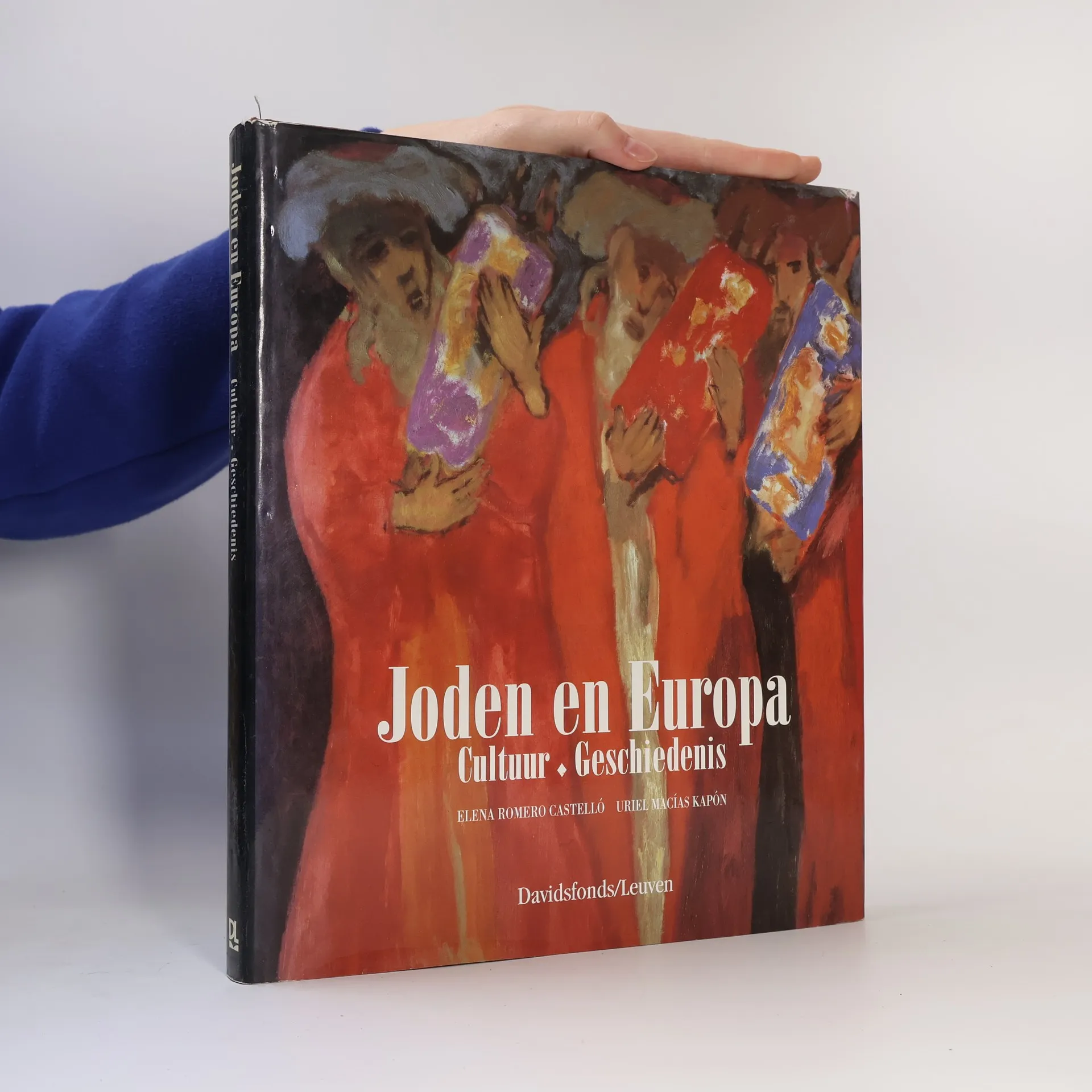
Joden en Europa
Cultuur, Geschiedenis
En savoir plus sur le livre
This is an illustrated coffee table book with emphasis on art and literature. Originally written in Spanish (Los Judíos de Europa), it should probably not be read cover to cover as I did as the long list of names, books, artifacts, etc. can get quite tedious. Not to say that there isn't a lot of good information here. One thing that I liked was how the authors integrate what is often presented in a more dialectical fashion: the Sephardi-Ashkenazi divide. They explain how Sephardi culture and its variants in Italy, Provence and the Ottoman Empire informed and influenced the Ashkenazic world. Holland plays an important role as a prime site of the Sephardi-Ashkenazic interface. While we may think of Yiddish as the great language of the European Jews, this book gives due credit to the importance of Ladino (Judeo Spanish) and its variants as well as Catalan, German, French, Hebrew and, somewhtat surprisingly (for me) Arabic (Maimonides wrote his great works in Arabic). When the Nazis destroyed the large Ladino-speaking community in Salonica, a whole world was lost. A great book on this topic is Mark Mazower's Salonica: City of Ghosts.
Achat du livre
Joden en Europa, Uriel Macías Kapón, Elena Romero Castelló
- Langue

- Année de publication
- 1996
- Reliure
- (rigide)
Modes de paiement
Personne n'a encore évalué .
- Titre
- Joden en Europa
- Sous-titre
- Cultuur, Geschiedenis
- Langue
- Néerlandais
- Éditeur
- Davidsfonds
- Publié
- 1996
- Format
- rigide
- Pages
- 240
- ISBN10
- 9061529492
- ISBN13
- 9789061529491
- Séries
- Mots clés
- Europe, Juifs, Histoires culturelles, Histoire des Juifs
- Description
- This is an illustrated coffee table book with emphasis on art and literature. Originally written in Spanish (Los Judíos de Europa), it should probably not be read cover to cover as I did as the long list of names, books, artifacts, etc. can get quite tedious. Not to say that there isn't a lot of good information here. One thing that I liked was how the authors integrate what is often presented in a more dialectical fashion: the Sephardi-Ashkenazi divide. They explain how Sephardi culture and its variants in Italy, Provence and the Ottoman Empire informed and influenced the Ashkenazic world. Holland plays an important role as a prime site of the Sephardi-Ashkenazic interface. While we may think of Yiddish as the great language of the European Jews, this book gives due credit to the importance of Ladino (Judeo Spanish) and its variants as well as Catalan, German, French, Hebrew and, somewhtat surprisingly (for me) Arabic (Maimonides wrote his great works in Arabic). When the Nazis destroyed the large Ladino-speaking community in Salonica, a whole world was lost. A great book on this topic is Mark Mazower's Salonica: City of Ghosts.