

En savoir plus sur le livre
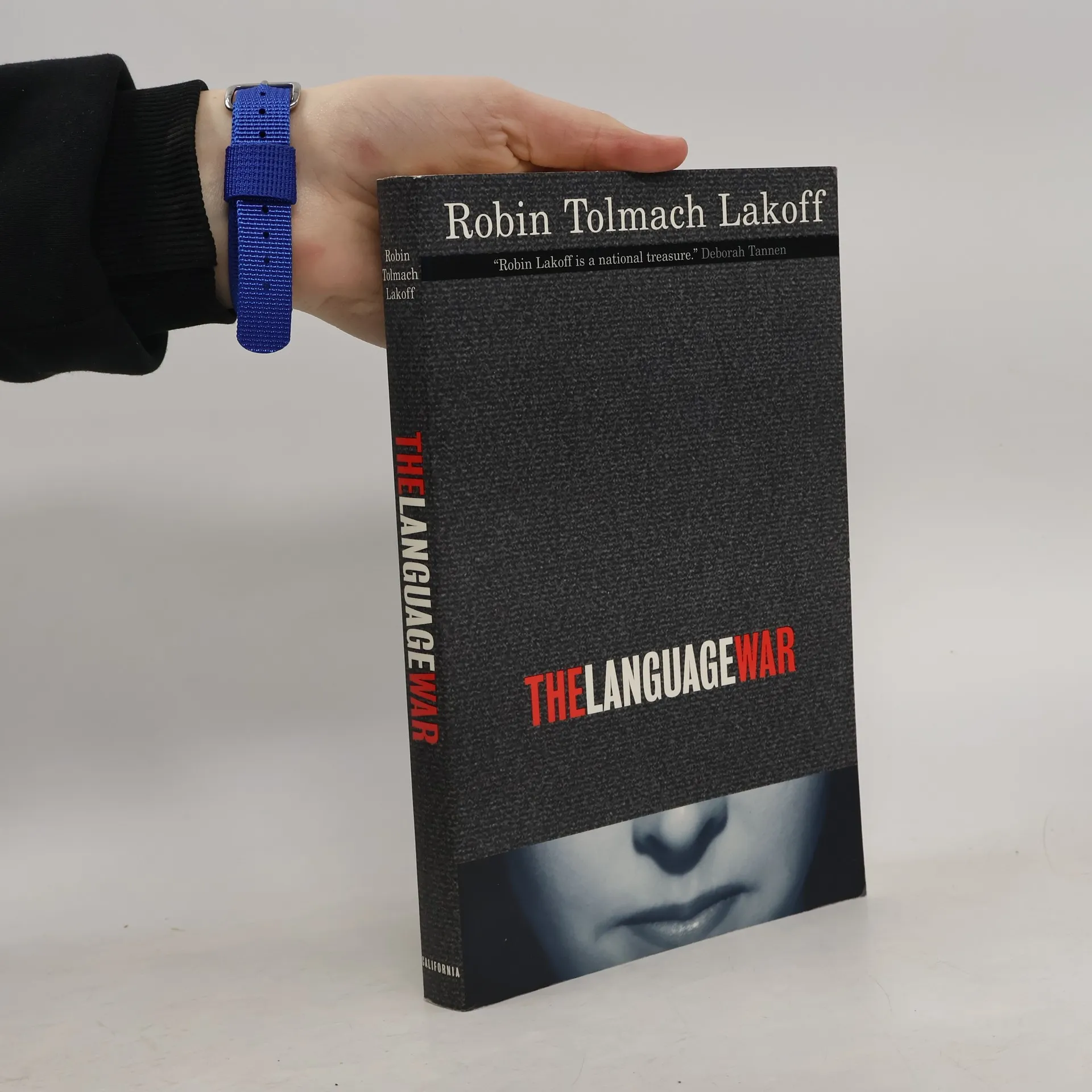
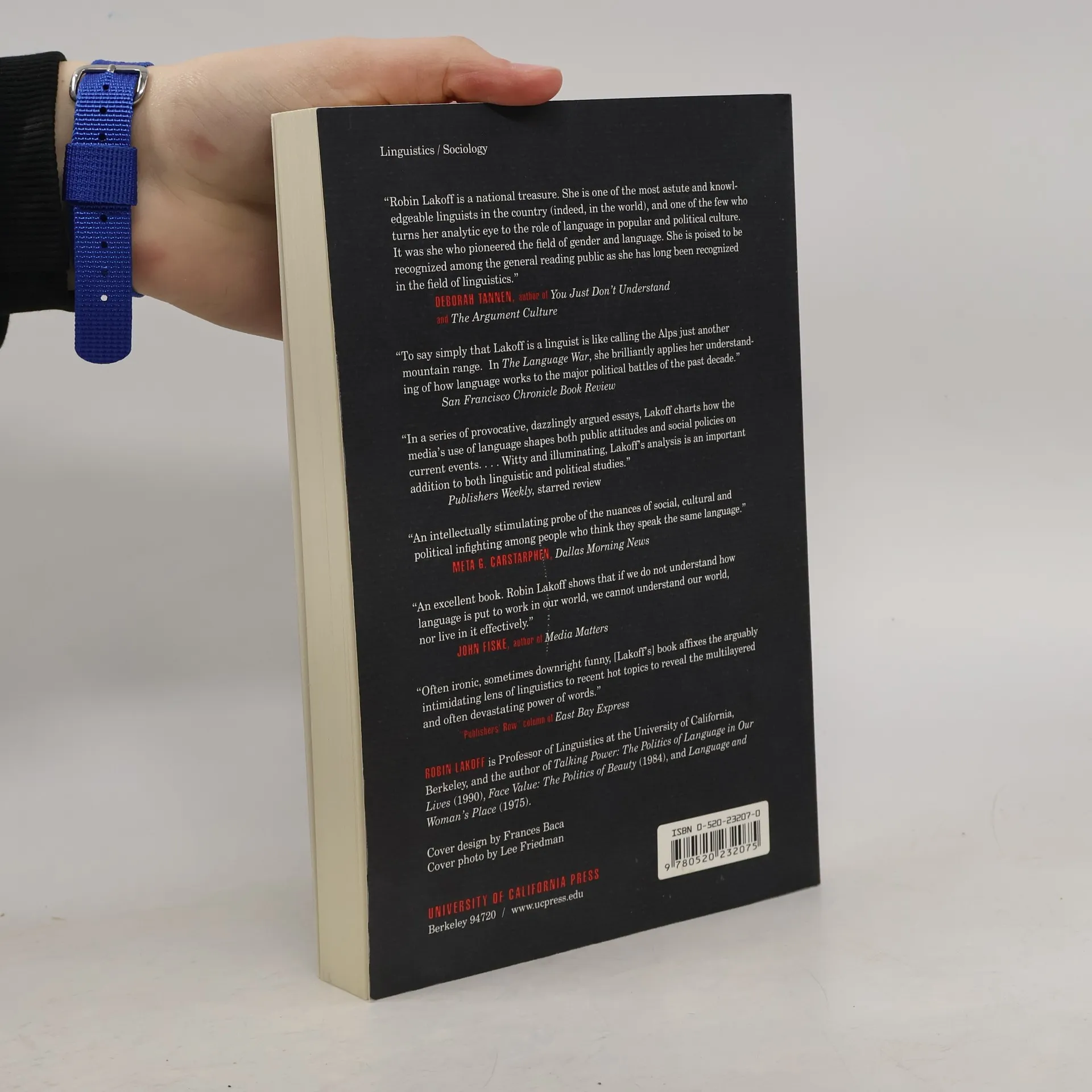
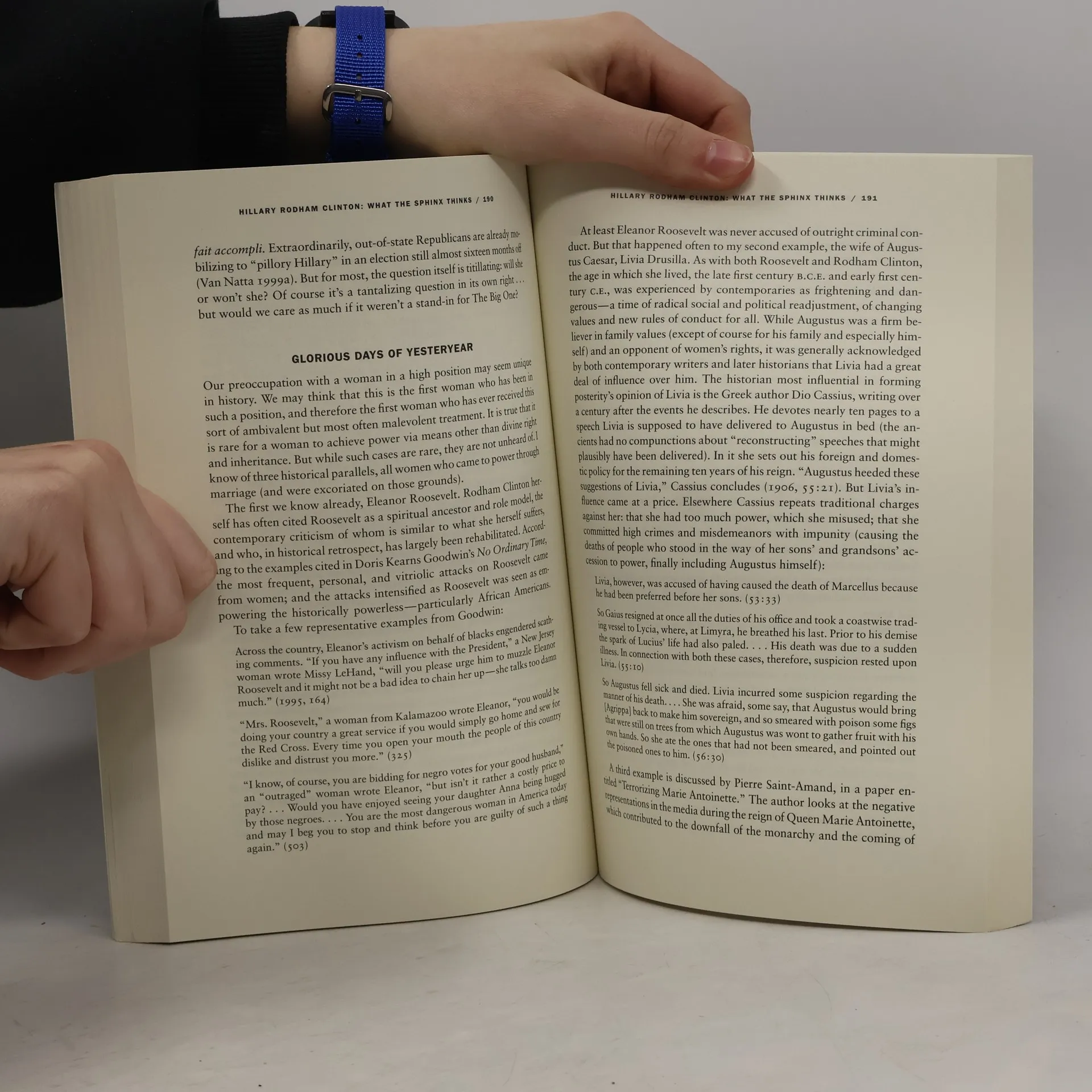
Robin Lakoff delves into a critical issue in American society: the dynamics of power and its relationship with language. Through an engaging discussion of significant news events—such as political correctness, the Anita Hill/Clarence Thomas hearings, Hillary Clinton's role as First Lady, the O.J. Simpson trial, the Ebonics debate, and the Clinton sex scandal—she illustrates how the struggle for power is increasingly a linguistic battle. Lakoff argues that controlling language is fundamental to power, prompting emerging groups, particularly women and African Americans, to contest "language rights" against the dominance of middle- to upper-class white men. Her introduction to linguistic theories sets the stage for analyzing news stories that pass what she terms the UAT (Undue Attention Test). As these stories became fodder for talk shows, comedy, and media articles, they gained layered meanings influenced by the storyteller's perspective. Central to these narratives are issues of race and gender, highlighting the right to shape meaning and, consequently, power. Lakoff asserts that language shapes our understanding of reality, yet we often distrust its current usage, as seen in the "politics of personal destruction" during the Clinton impeachment. Nonetheless, she finds a hopeful equality in the ongoing language struggle, with her accessible and witty writing effectively utilizing media excerpts to support her points.
Achat du livre
The Language War, Robin Lakoff
- Langue

- Année de publication
- 2000
- Reliure
- (souple)
Modes de paiement
Il manque plus que ton avis ici.
- Titre
- The Language War
- Langue
- Anglais
- Auteurs
- Robin Lakoff
- Publié
- 2000
- Format
- souple
- Pages
- 332
- ISBN10
- 0520232070
- ISBN13
- 9780520232075
- Séries
- Catégories
- Mots clés
- Politique, États-Unis, Éducation, système scolaire, Féminisme, Linguistique, Histoire des États-Unis, Race, Racisme, Genre, Littérature afro-américaine, Gouvernance, Réalité, Sémantique, Sociolinguistique, Aspects politiques, Discours, débat, Politique de la correction
- Évaluation
- 3,8 sur 5
- Description
- Robin Lakoff delves into a critical issue in American society: the dynamics of power and its relationship with language. Through an engaging discussion of significant news events—such as political correctness, the Anita Hill/Clarence Thomas hearings, Hillary Clinton's role as First Lady, the O.J. Simpson trial, the Ebonics debate, and the Clinton sex scandal—she illustrates how the struggle for power is increasingly a linguistic battle. Lakoff argues that controlling language is fundamental to power, prompting emerging groups, particularly women and African Americans, to contest "language rights" against the dominance of middle- to upper-class white men. Her introduction to linguistic theories sets the stage for analyzing news stories that pass what she terms the UAT (Undue Attention Test). As these stories became fodder for talk shows, comedy, and media articles, they gained layered meanings influenced by the storyteller's perspective. Central to these narratives are issues of race and gender, highlighting the right to shape meaning and, consequently, power. Lakoff asserts that language shapes our understanding of reality, yet we often distrust its current usage, as seen in the "politics of personal destruction" during the Clinton impeachment. Nonetheless, she finds a hopeful equality in the ongoing language struggle, with her accessible and witty writing effectively utilizing media excerpts to support her points.