

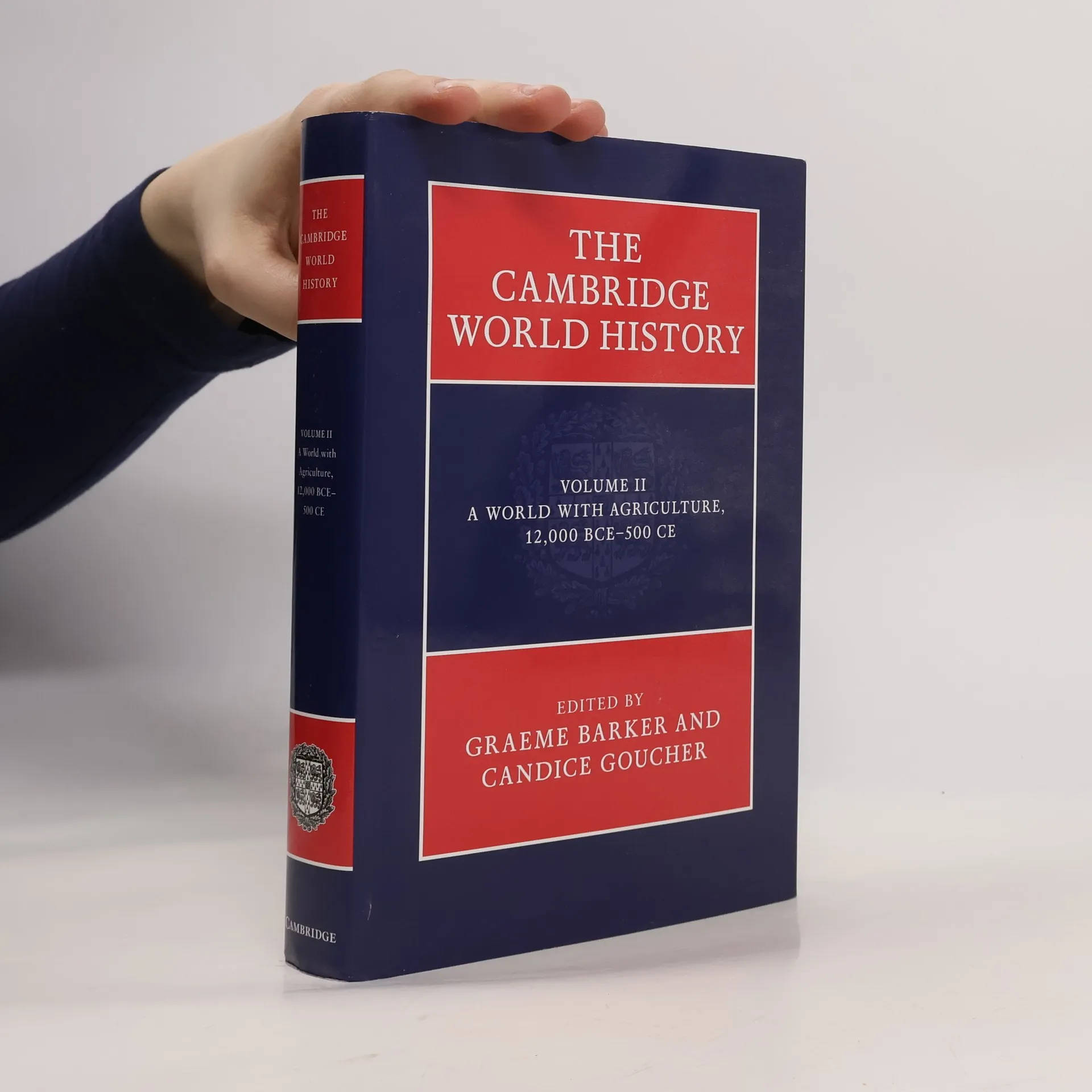
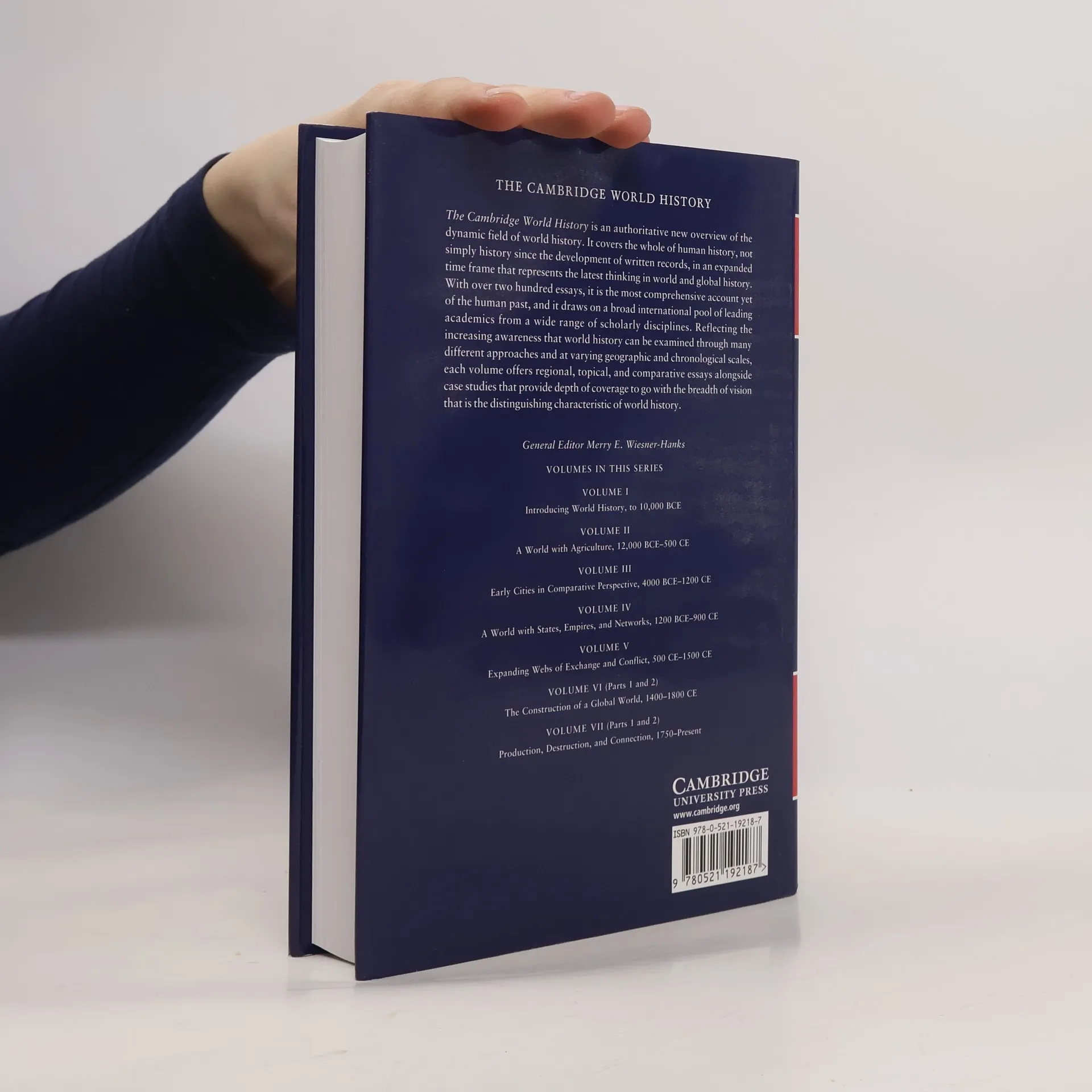

En savoir plus sur le livre
The development of agriculture has often been described as the most important change in all of human history. Volume 2 of the Cambridge World History series explores the origins and impact of agriculture and agricultural communities, and also discusses issues associated with pastoralism and hunter-fisher-gatherer economies. To capture the patterns of this key change across the globe, the volume uses an expanded timeframe from 12,000 BCE-500 CE, beginning with the Neolithic and continuing into later periods. Scholars from a range of disciplines, including archaeology, historical linguistics, biology, anthropology, and history, trace common developments in the more complex social structures and cultural forms that agriculture enabled, such as sedentary villages and more elaborate foodways, and then present a series of regional overviews accompanied by detailed case studies from many different parts of the world, including Southwest Asia, South Asia, China, Japan, Southeast Asia and the Pacific, Sub-Saharan Africa, the Americas, and Europe.
Achat du livre
The Cambridge World History, Graeme Barker, Candice Goucher
- Langue

- Année de publication
- 2015
- Reliure
- (rigide)
Modes de paiement
Il manque plus que ton avis ici.
- Titre
- The Cambridge World History
- Sous-titre
- A World With Agriculture, 12,000 BCE-500 CE
- Langue
- Anglais
- Auteurs
- Graeme Barker, Candice Goucher
- Éditeur
- Cambridge University Press
- Publié
- 2015
- Format
- rigide
- Pages
- 668
- ISBN10
- 0521192188
- ISBN13
- 9780521192187
- Évaluation
- 4 sur 5
- Description
- The development of agriculture has often been described as the most important change in all of human history. Volume 2 of the Cambridge World History series explores the origins and impact of agriculture and agricultural communities, and also discusses issues associated with pastoralism and hunter-fisher-gatherer economies. To capture the patterns of this key change across the globe, the volume uses an expanded timeframe from 12,000 BCE-500 CE, beginning with the Neolithic and continuing into later periods. Scholars from a range of disciplines, including archaeology, historical linguistics, biology, anthropology, and history, trace common developments in the more complex social structures and cultural forms that agriculture enabled, such as sedentary villages and more elaborate foodways, and then present a series of regional overviews accompanied by detailed case studies from many different parts of the world, including Southwest Asia, South Asia, China, Japan, Southeast Asia and the Pacific, Sub-Saharan Africa, the Americas, and Europe.