

Épuisé
Paramètres
- 456pages
- 16 heures de lecture
En savoir plus sur le livre
"What Causes Genocide?" explores the psychological forces behind moral choices during atrocities like the Holocaust. Through interviews with bystanders, supporters, and rescuers, Monroe examines how identity influences our perceptions of others, shaping our responses to persecution. She introduces "moral salience" and addresses the dehumanization necessary for genocide, offering insights applicable to various forms of prejudice and violence.
Achat du livre
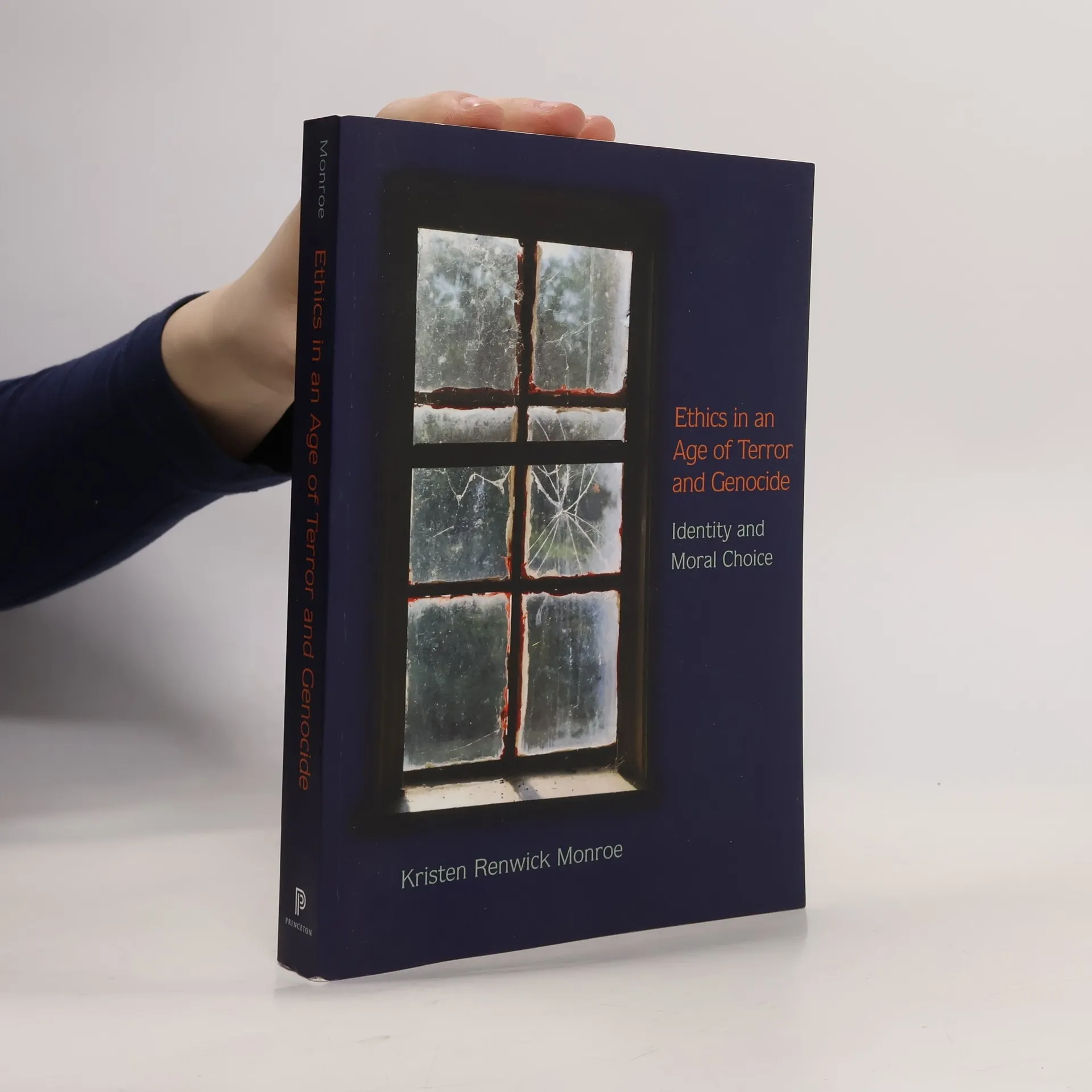
Ethics in an Age of Terror and Genocide, Kristen Renwick Monroe
- Langue

- Année de publication
- 2010
- Reliure
- (souple)
Nous vous informerons par e-mail dès que nous l’aurons retrouvé.
Modes de paiement
Il manque plus que ton avis ici.
- Titre
- Ethics in an Age of Terror and Genocide
- Sous-titre
- Identity and Moral Choice
- Langue
- Anglais
- Auteurs
- Kristen Renwick Monroe
- Éditeur
- Princeton University Press
- Publié
- 2010
- Format
- souple
- Pages
- 456
- ISBN10
- 0691151431
- ISBN13
- 9780691151434
- Séries
- Catégories
- Mots clés
- Thème historique, Thèmes psychologiques, Thèmes religieux, Thématique philosophique, Politique, 20e siècle, Seconde Guerre mondiale, Europe, Juifs, Théories politiques, Holocauste, Nazisme, Théories scientifiques, Race, Racisme, Première Guerre mondiale (1914–1918), Littérature juive, Éthique, Terrorisme, Haine, Droits de l'homme, Adolf Hitler, Morale, Persécution, Cas d'étude, Comportement, éthologie, Psychologie sociale, Idéologie, Allemands, Génocide, Gestapo, Raison, Russes, Éthique politique, Altruisme, Déshumanisation
- Évaluation
- 3,65 sur 5
- Description
- "What Causes Genocide?" explores the psychological forces behind moral choices during atrocities like the Holocaust. Through interviews with bystanders, supporters, and rescuers, Monroe examines how identity influences our perceptions of others, shaping our responses to persecution. She introduces "moral salience" and addresses the dehumanization necessary for genocide, offering insights applicable to various forms of prejudice and violence.