

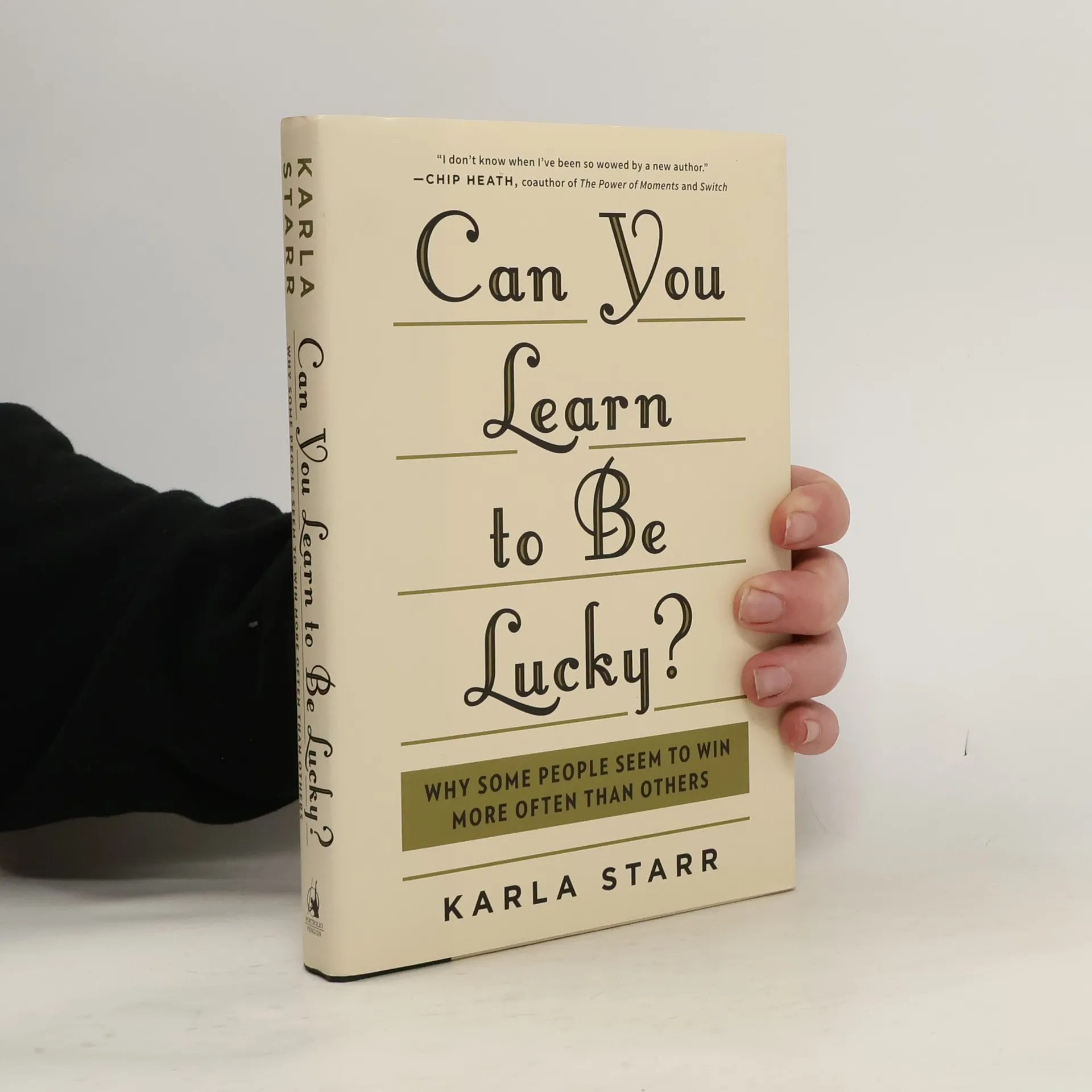
Can You Learn to Be Lucky?
Why Some People Seem to Win More Often Than Others
Auteurs
Évaluation du livre
En savoir plus sur le livre
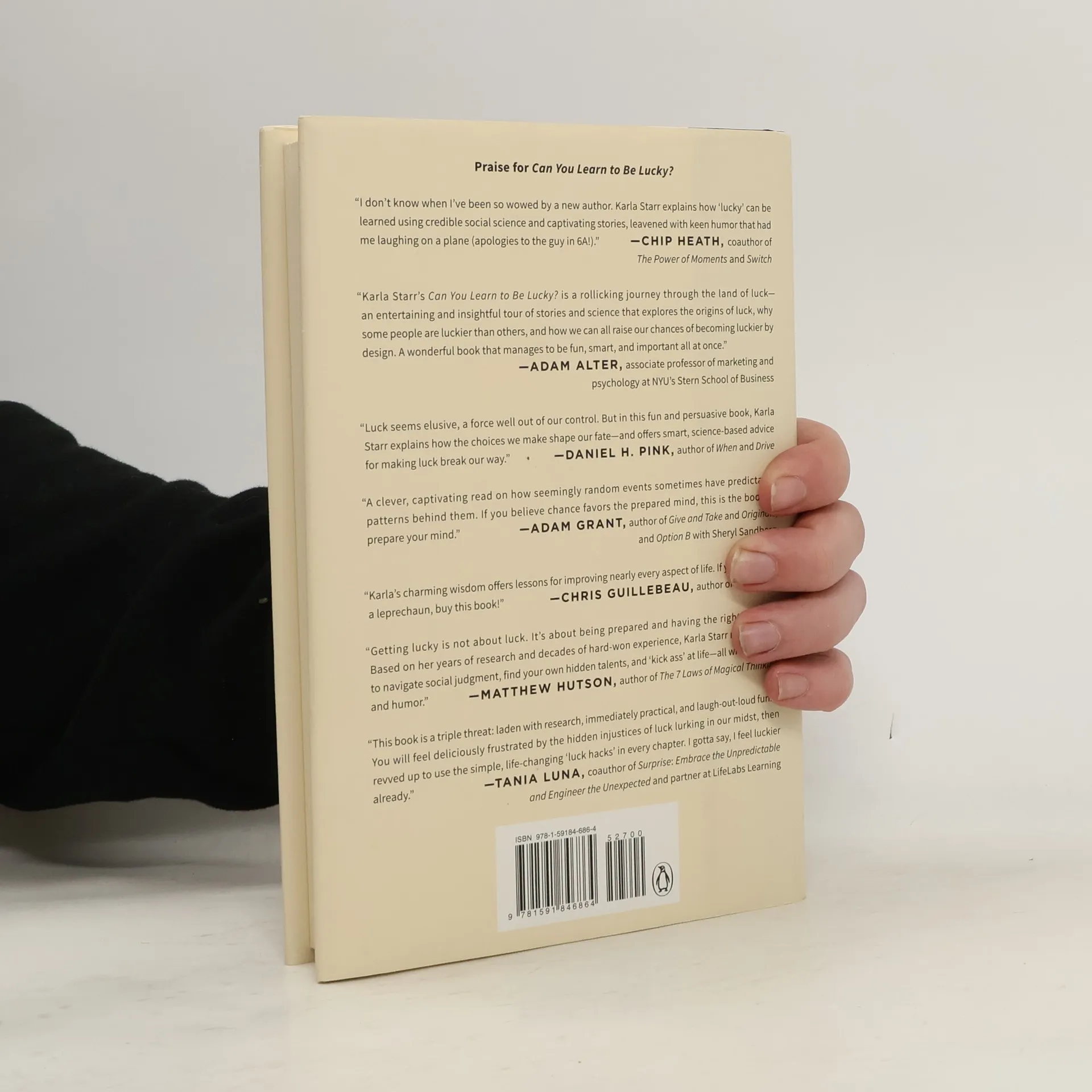
A talented journalist uncovers the hidden patterns behind "luck" and demonstrates how we can enhance outcomes despite life's randomness. The question "Do you believe in luck?" divides opinions, with some believing we create our own luck, while others attribute fate to cosmic whims. Karla Starr presents a third perspective: seemingly unlucky outcomes have predictable effects on behavior, often leading to self-defeating actions without our awareness. In this groundbreaking work, Starr links wealth, health, and happiness to subconscious processes, cultural assumptions, and overlooked details. Each chapter offers insights on cultivating personal strengths to counteract life's unlucky patterns. For example, motivation, a crucial productivity tool, isn't evenly distributed—certain historical accidents explain why some groups are more motivated than others. Additionally, first impressions matter; a resume can't counteract biases formed by a LinkedIn photo. The book also explores how irrelevant traits influence assumptions about intelligence and trustworthiness, affecting interactions and opportunities for lucky encounters. By shedding light on the invisible biases that impact our luck, Starr empowers readers to improve their fortunes with minimal effort.
Achat du livre
Can You Learn to Be Lucky?, Karla Starr
- Langue

- Année de publication
- 2018
- Reliure
- (rigide)
Modes de paiement
Il manque plus que ton avis ici.
- Titre
- Can You Learn to Be Lucky?
- Sous-titre
- Why Some People Seem to Win More Often Than Others
- Langue
- Anglais
- Auteurs
- Karla Starr
- Éditeur
- Portfolio
- Publié
- 2018
- Format
- rigide
- Pages
- 288
- ISBN10
- 1591846862
- ISBN13
- 9781591846864
- Séries
- Catégories
- Mots clés
- Commerce, Thèmes psychologiques, États-Unis, Relations, Vie, Santé mentale, Culture, Créativité, Monnaie, Succès, Destin, Carrière, Logique, Stratégie, Prise de Décision, Incertitudes, Intuition, Nature Humaine
- Évaluation
- 3,6 sur 5
- Description
- A talented journalist uncovers the hidden patterns behind "luck" and demonstrates how we can enhance outcomes despite life's randomness. The question "Do you believe in luck?" divides opinions, with some believing we create our own luck, while others attribute fate to cosmic whims. Karla Starr presents a third perspective: seemingly unlucky outcomes have predictable effects on behavior, often leading to self-defeating actions without our awareness. In this groundbreaking work, Starr links wealth, health, and happiness to subconscious processes, cultural assumptions, and overlooked details. Each chapter offers insights on cultivating personal strengths to counteract life's unlucky patterns. For example, motivation, a crucial productivity tool, isn't evenly distributed—certain historical accidents explain why some groups are more motivated than others. Additionally, first impressions matter; a resume can't counteract biases formed by a LinkedIn photo. The book also explores how irrelevant traits influence assumptions about intelligence and trustworthiness, affecting interactions and opportunities for lucky encounters. By shedding light on the invisible biases that impact our luck, Starr empowers readers to improve their fortunes with minimal effort.