

Paramètres
- 174pages
- 7 heures de lecture
En savoir plus sur le livre
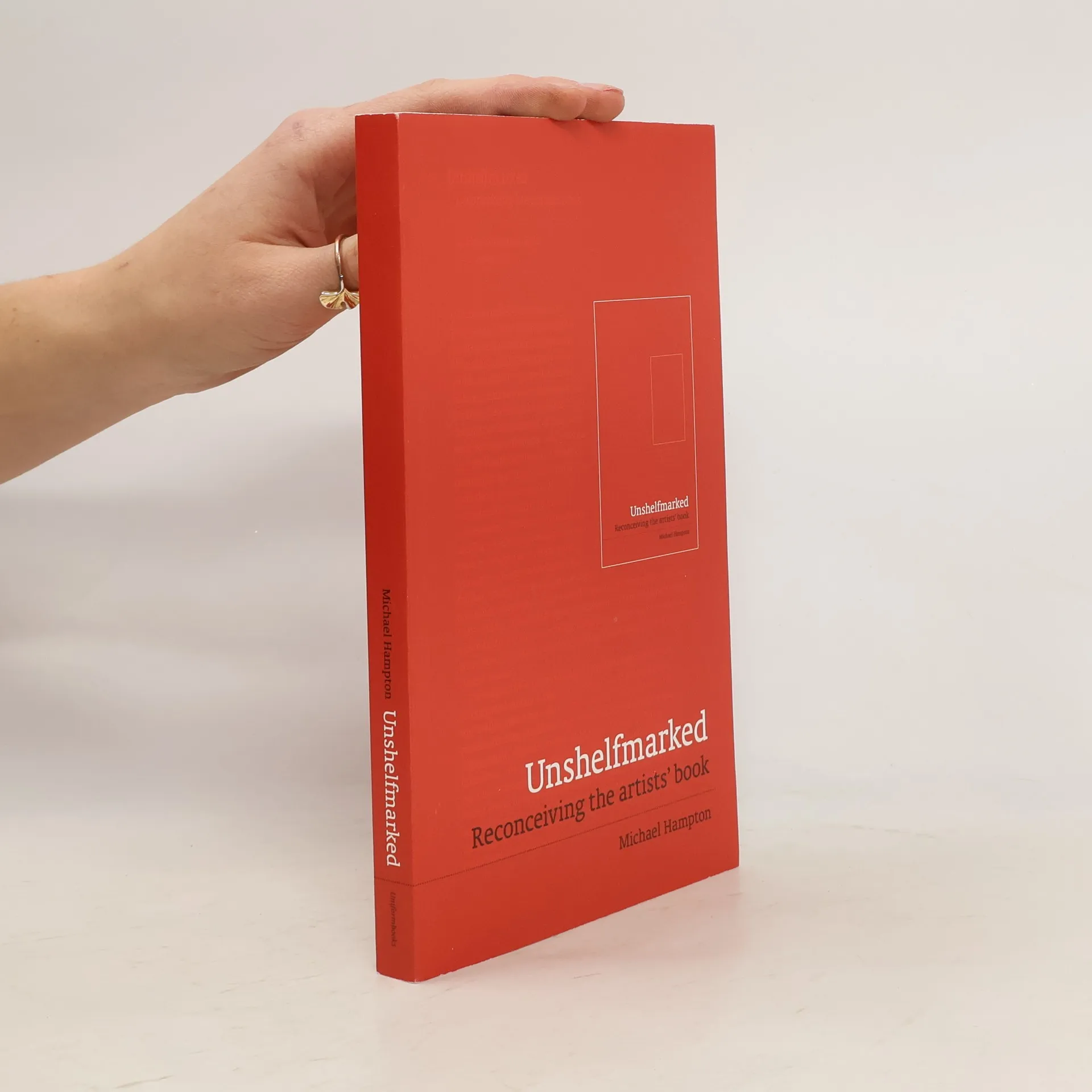
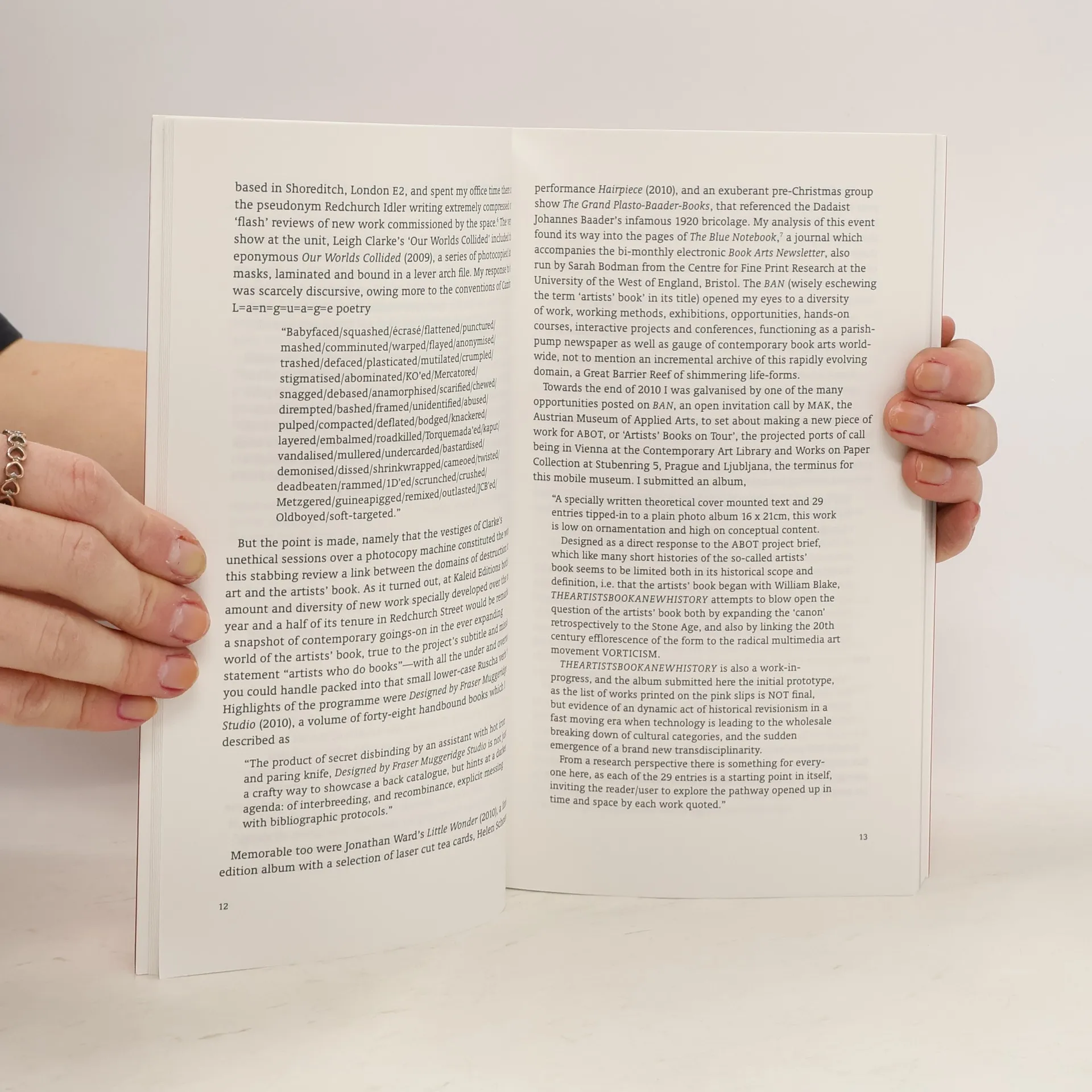
In 'Unshelfmarked': Reconceiving the artists' book, Michael Hampton vets the medium's history, postulating a new timeline that challenges the orthodox view of the artists' book as a form largely peculiar to the twentieth century. "Post-Deweyed, these works form an entirely new corpus, showcasing the artists' book not as a by-product of the book per se, but both its antecedent and post-digital flowering, many salient twentieth-century features proleptically flickering here and there through time, its epigenetic influence finally come to permeate mainstream book design everywhere; the manifold traits and studio processes inherent to the artists' book bursting from their stitched sheath, cheerfully pollinating the whole gamut of reading impedimenta and spaces." The book features fifty examples from the iconic to the obscure-accenting the codex's molecular structure rather than its customary role as a vehicle for text-a critical exposé of multiple types, plus an extensive select bibliography.
Achat du livre
Unshelfmarked, Michael Hampton
- Langue

- Année de publication
- 2015
- Reliure
- (souple)
Modes de paiement
Il manque plus que ton avis ici.
- Titre
- Unshelfmarked
- Sous-titre
- Reconceiving the Artists' Book
- Langue
- Anglais
- Auteurs
- Michael Hampton
- Éditeur
- Uniformbooks
- Publié
- 2015
- Format
- souple
- Pages
- 174
- ISBN10
- 1910010065
- ISBN13
- 9781910010068
- Séries
- Mots clés
- Art, Critique littéraire, Théorie de l'art
- Évaluation
- 3,5 sur 5
- Description
- In 'Unshelfmarked': Reconceiving the artists' book, Michael Hampton vets the medium's history, postulating a new timeline that challenges the orthodox view of the artists' book as a form largely peculiar to the twentieth century. "Post-Deweyed, these works form an entirely new corpus, showcasing the artists' book not as a by-product of the book per se, but both its antecedent and post-digital flowering, many salient twentieth-century features proleptically flickering here and there through time, its epigenetic influence finally come to permeate mainstream book design everywhere; the manifold traits and studio processes inherent to the artists' book bursting from their stitched sheath, cheerfully pollinating the whole gamut of reading impedimenta and spaces." The book features fifty examples from the iconic to the obscure-accenting the codex's molecular structure rather than its customary role as a vehicle for text-a critical exposé of multiple types, plus an extensive select bibliography.