

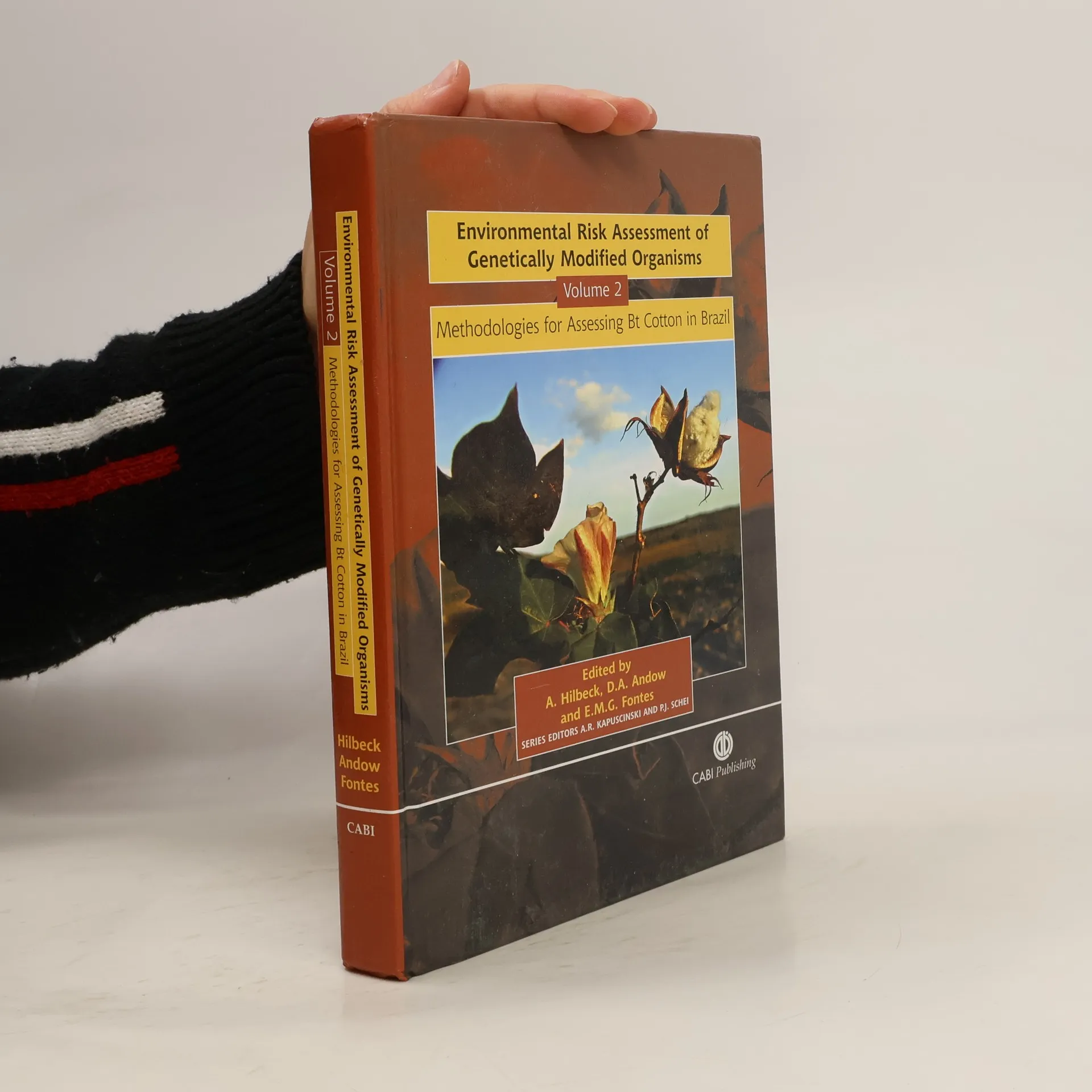
Environmental Risk Assessment of Genetically Modified Organisms
Methodologies for Assessing Bt Cotton in Brazil
En savoir plus sur le livre
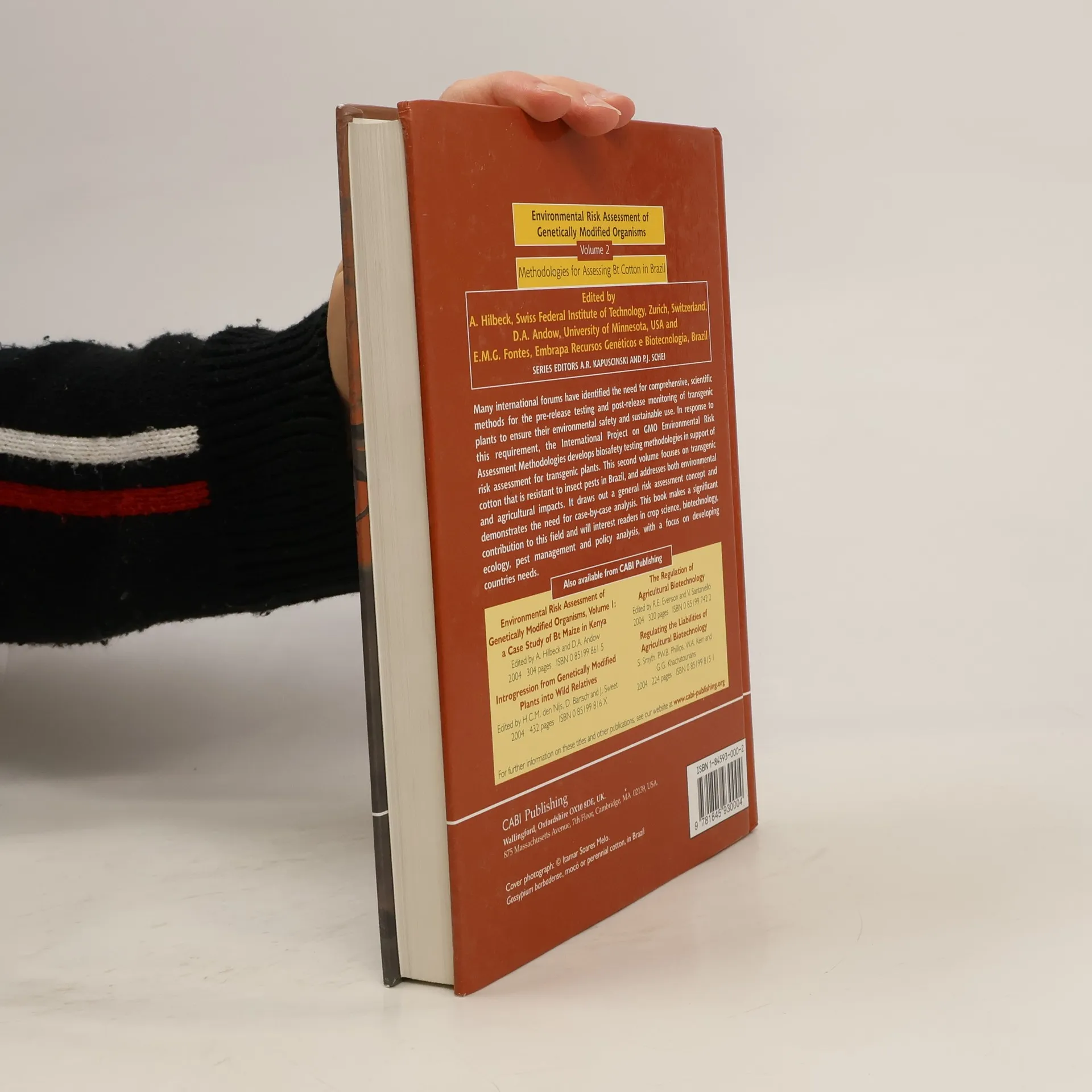
Many international forums have identified the need for comprehensive, scientific methods for the pre-release testing and post-release monitoring of transgenic plants to ensure their environmental safety and sustainable use. In response to this requirement, a GMO Guidelines Project was established under the aegis of the International Organization for Biological Control, to develop biosafety testing guidelines for transgenic plants. This second volume focuses on transgenic cotton in Brazil and addresses both environmental and agricultural impacts. It draws out some general risk assessment guidelines and demonstrates the need for case-by-case analysis.
Achat du livre
Environmental Risk Assessment of Genetically Modified Organisms, A. R. Kapuscinski, Angelika Hilbeck, P. J. Schei, David Alan Andow, Eliana M. G. Fontes, D. M. F. Capalbo
- Langue

- Année de publication
- 2004
- Reliure
- (rigide)
Modes de paiement
Personne n'a encore évalué .
- Titre
- Environmental Risk Assessment of Genetically Modified Organisms
- Sous-titre
- Methodologies for Assessing Bt Cotton in Brazil
- Langue
- Anglais
- Auteurs
- A. R. Kapuscinski, Angelika Hilbeck, P. J. Schei, David Alan Andow, Eliana M. G. Fontes, D. M. F. Capalbo
- Éditeur
- CABI
- Publié
- 2004
- Format
- rigide
- Pages
- 400
- ISBN10
- 1845930002
- ISBN13
- 9781845930004
- Séries
- Catégories
- Mots clés
- Sciences naturelles, Science, Plantes, Technologie, Écrits rassemblés, Zoologie, Génétique, Entomologie, Ingénierie génétique, Maladies des plantes, Maïs
- Description
- Many international forums have identified the need for comprehensive, scientific methods for the pre-release testing and post-release monitoring of transgenic plants to ensure their environmental safety and sustainable use. In response to this requirement, a GMO Guidelines Project was established under the aegis of the International Organization for Biological Control, to develop biosafety testing guidelines for transgenic plants. This second volume focuses on transgenic cotton in Brazil and addresses both environmental and agricultural impacts. It draws out some general risk assessment guidelines and demonstrates the need for case-by-case analysis.