

En savoir plus sur le livre
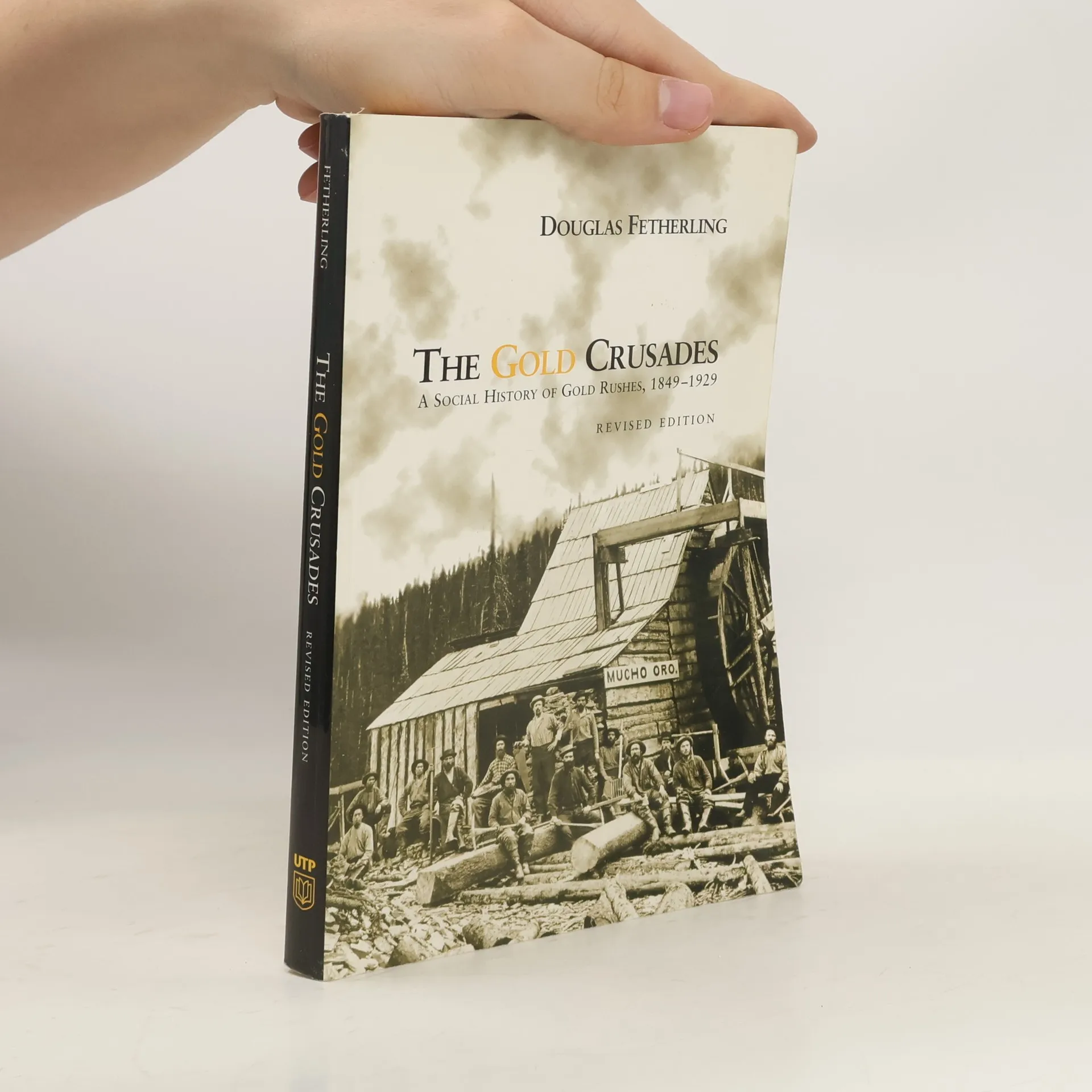
Among the hordes of starry-eyed 'argonauts' who flocked to the California gold rush of 1849 was an Australian named Edward Hargraves. He left America empty-handed, only to find gold in his own backyard. The result was the great Australian rush of the 1850s, which also attracted participants from around the world. A South African named P.J. Marais was one of them. Marais too returned home in defeat - only to set in motion the diamond and gold rushes that transformed southern Africa. And so it went. Most previous historians of the gold rushes have tended to view them as acts of spontaneous nationalism. Each country likes to see its own gold rush as the one that either shaped those that followed or epitomized all the rest. In The Gold A Social History of Gold Rushes, 1849-1929 , Douglas Fetherling takes a different approach. Fetherling argues that the gold rushes in the United States, Canada, Australia, New Zealand, and South Africa shared the same causes and results, the same characters and characteristics. He posits that they were in fact a single discontinuous event, an expression of the British imperial experience and nineteenth-century liberalism. He does so with dash and style and with a sharp eye for the telling anecdote, the out-of-the-way document, and the bold connection between seemingly unrelated disciplines. Originally published by Macmillan of Canada, 1988.
Achat du livre
The Gold Crusades, Douglas Fetherling
- Langue

- Année de publication
- 1997
- Reliure
- (souple)
Modes de paiement
Personne n'a encore évalué .
- Titre
- The Gold Crusades
- Sous-titre
- A Social History of Gold Rushes, 1849-1929 - Revised Edition
- Langue
- Anglais
- Auteurs
- Douglas Fetherling
- Éditeur
- University of Toronto Press
- Publié
- 1997
- Format
- souple
- Pages
- 230
- ISBN10
- 0802080464
- ISBN13
- 9780802080462
- Séries
- Mots clés
- Commerce, Autre histoire
- Description
- Among the hordes of starry-eyed 'argonauts' who flocked to the California gold rush of 1849 was an Australian named Edward Hargraves. He left America empty-handed, only to find gold in his own backyard. The result was the great Australian rush of the 1850s, which also attracted participants from around the world. A South African named P.J. Marais was one of them. Marais too returned home in defeat - only to set in motion the diamond and gold rushes that transformed southern Africa. And so it went. Most previous historians of the gold rushes have tended to view them as acts of spontaneous nationalism. Each country likes to see its own gold rush as the one that either shaped those that followed or epitomized all the rest. In The Gold A Social History of Gold Rushes, 1849-1929 , Douglas Fetherling takes a different approach. Fetherling argues that the gold rushes in the United States, Canada, Australia, New Zealand, and South Africa shared the same causes and results, the same characters and characteristics. He posits that they were in fact a single discontinuous event, an expression of the British imperial experience and nineteenth-century liberalism. He does so with dash and style and with a sharp eye for the telling anecdote, the out-of-the-way document, and the bold connection between seemingly unrelated disciplines. Originally published by Macmillan of Canada, 1988.