

En savoir plus sur le livre
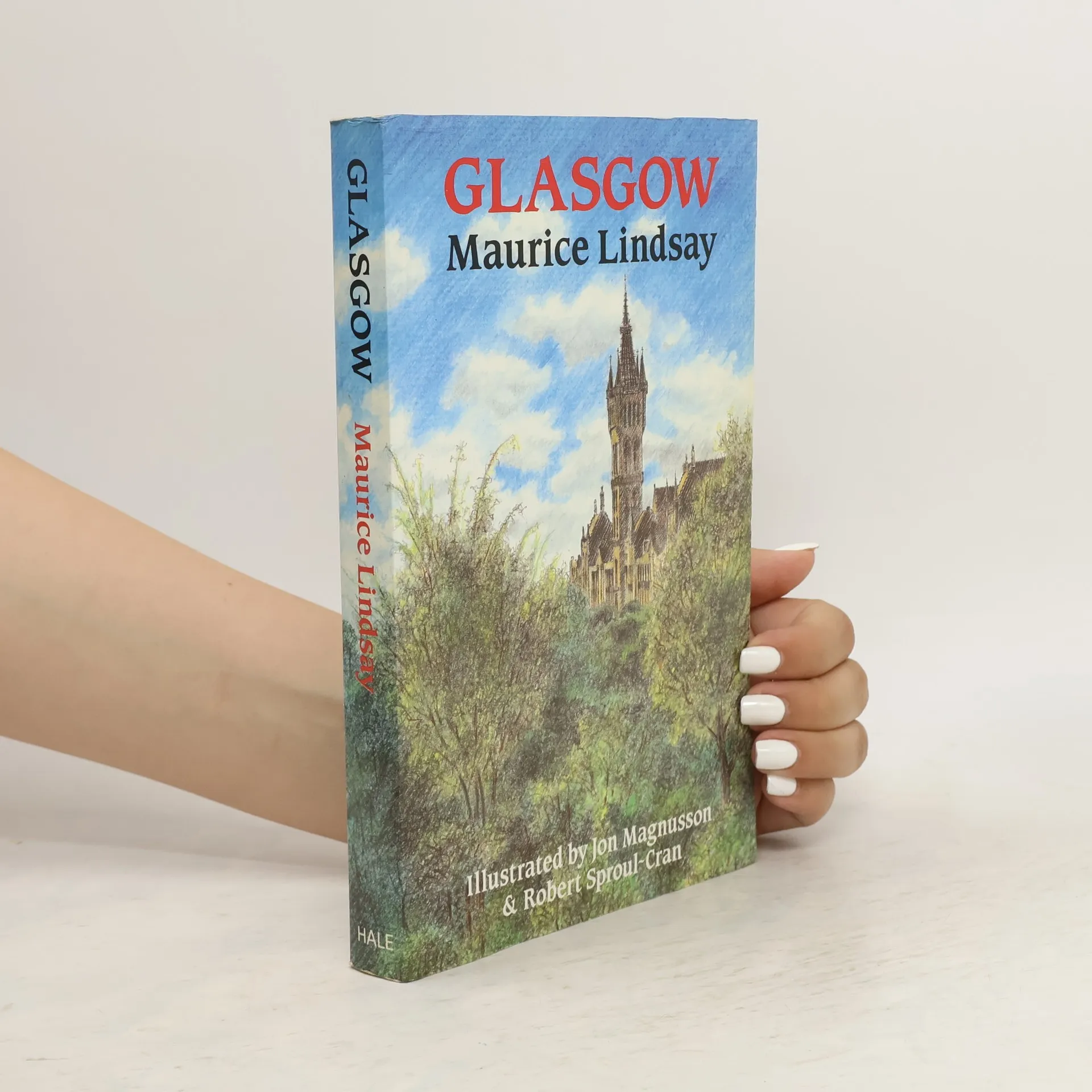
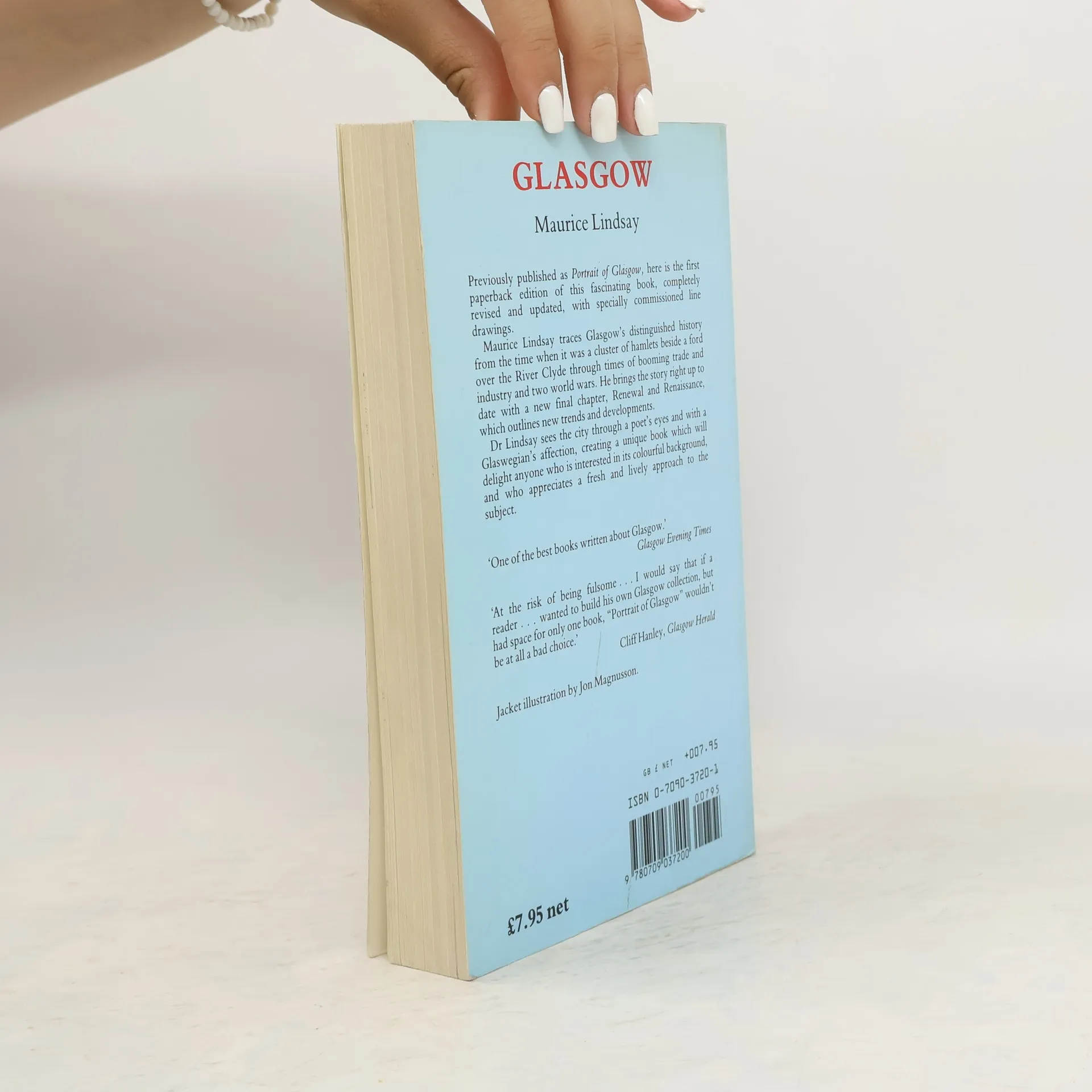
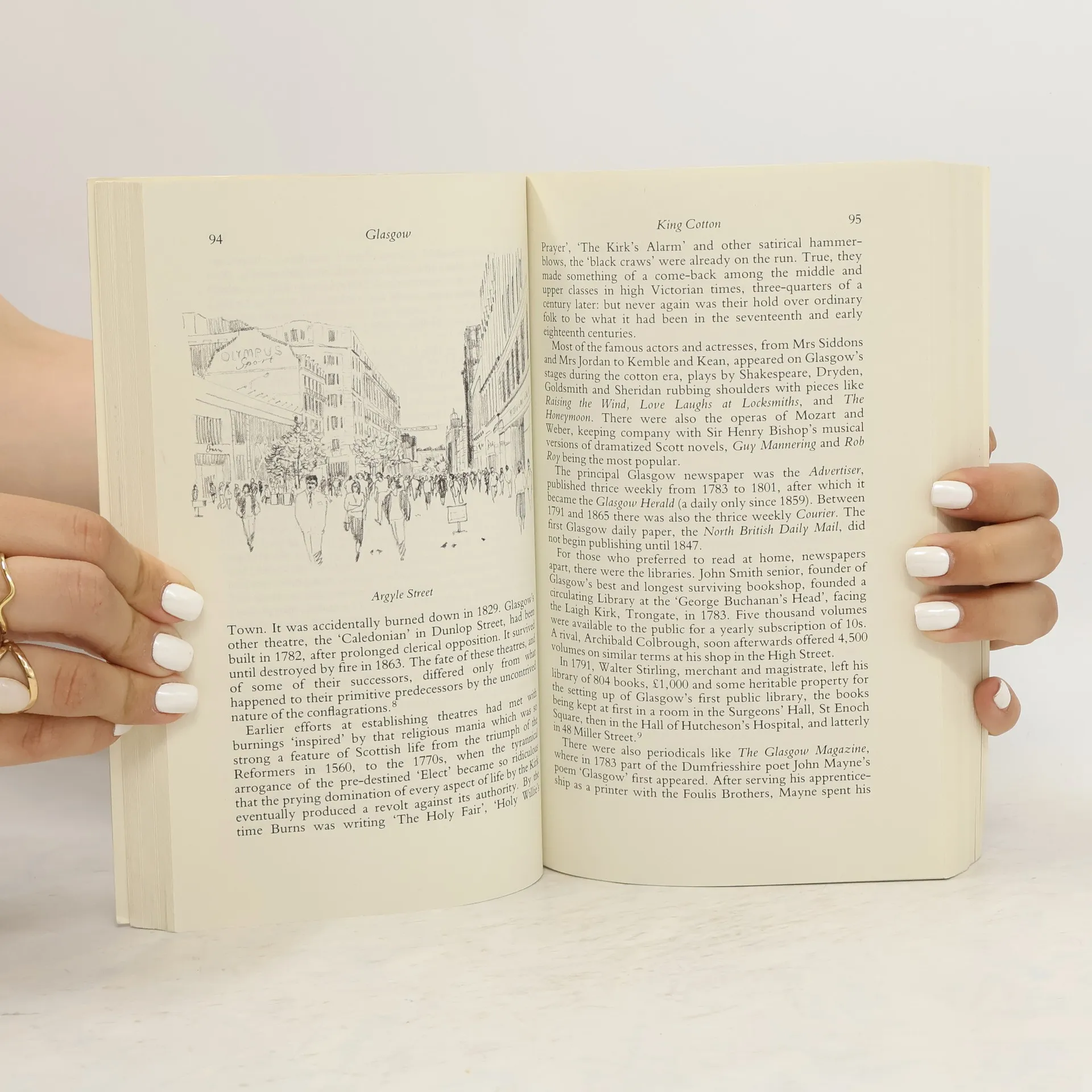
In this portrait of a city, Glaswegian writer and poet, Maurice Lindsay, draws together the many threads of Glasgow's rich inheritance to create an evocative picture of a city that was once the 'Second City of the Empire'. Beginning with the city's ancient roots, the book follows the industry, culture and character of Glasgow and explores its development, the growth of its buildings, streets and parks, and the nature and commerce of its people. The writings and thoughts of famous visitors from Dickens and Chopin to H.V. Morton re combined with those of Glaswegians past and present in celebration of the city, its pastimes, arts and social customs. From the theatrical ancestry of the 'penny geggie' to the emotional arena of the football field; from the beauty of Charles Rennie Mackintosh's designs to Glasgow's backbone of industrial evolution we can see the city as it was and is. Eminently readable, with many vivid illustrations, Glasgow: Fabric of a City is an unrivalled chronicle of Glasgow's prolific achievements.
Achat du livre
Glasgow, Maurice Lindsay
- Langue

- Année de publication
- 1989
- Reliure
- (souple)
Modes de paiement
Personne n'a encore évalué .
- Titre
- Glasgow
- Langue
- Anglais
- Auteurs
- Maurice Lindsay
- Éditeur
- Hale
- Publié
- 1989
- Format
- souple
- Pages
- 284
- ISBN10
- 0709037201
- ISBN13
- 9780709037200
- Séries
- Catégories
- Mots clés
- Description
- In this portrait of a city, Glaswegian writer and poet, Maurice Lindsay, draws together the many threads of Glasgow's rich inheritance to create an evocative picture of a city that was once the 'Second City of the Empire'. Beginning with the city's ancient roots, the book follows the industry, culture and character of Glasgow and explores its development, the growth of its buildings, streets and parks, and the nature and commerce of its people. The writings and thoughts of famous visitors from Dickens and Chopin to H.V. Morton re combined with those of Glaswegians past and present in celebration of the city, its pastimes, arts and social customs. From the theatrical ancestry of the 'penny geggie' to the emotional arena of the football field; from the beauty of Charles Rennie Mackintosh's designs to Glasgow's backbone of industrial evolution we can see the city as it was and is. Eminently readable, with many vivid illustrations, Glasgow: Fabric of a City is an unrivalled chronicle of Glasgow's prolific achievements.