

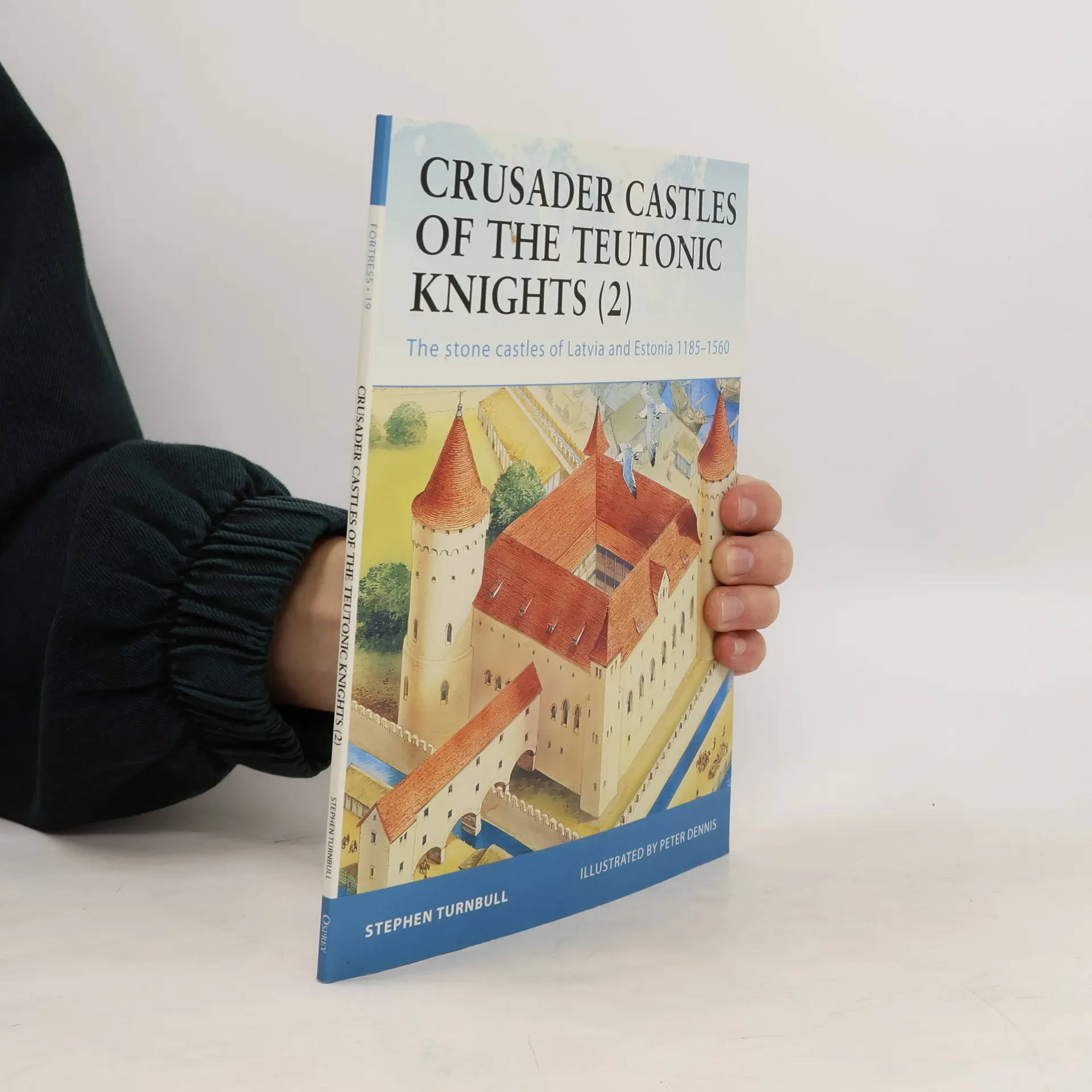
Crusader Castles of the Teutonic Knights (2)
The Stone Castles of Latvia and Estonia 1185–1560
Auteurs
Évaluation du livre
En savoir plus sur le livre
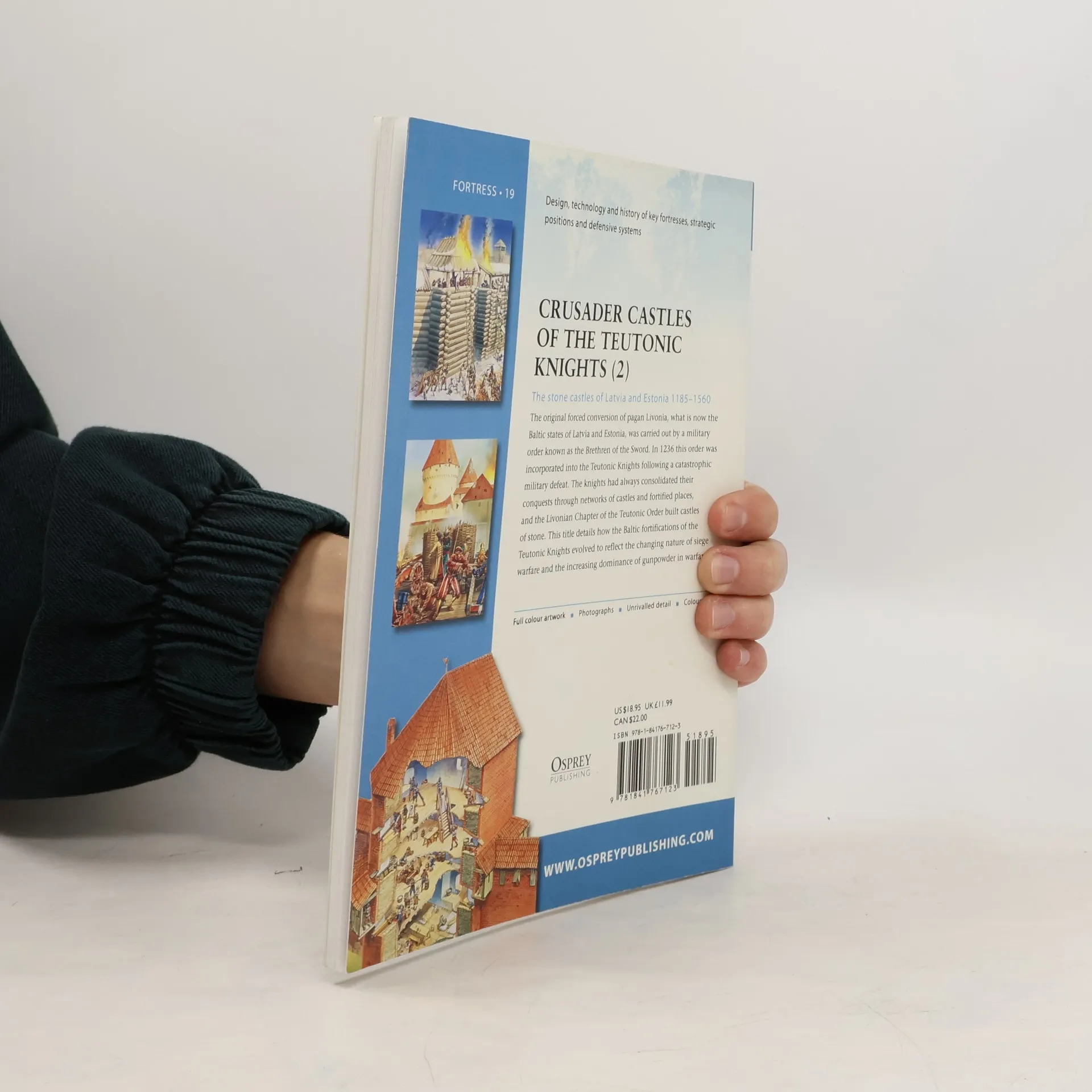
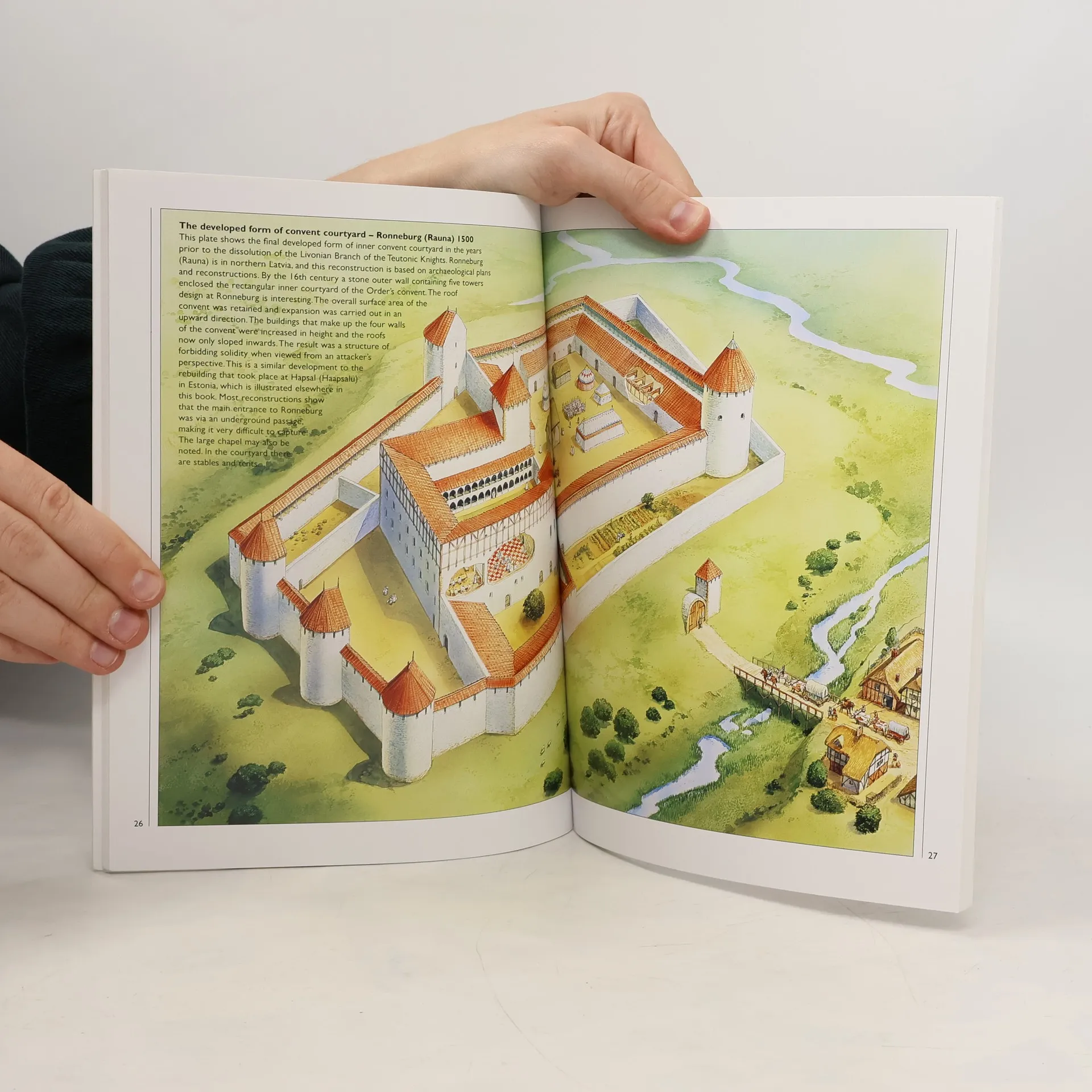
The original forced conversion of pagan Livonia, what is now the Baltic states of Latvia and Estonia, was carried out by a military order known as the Brethren of the Sword. In 1236 this order was incorporated into the Teutonic Knights following a catastrophic military defeat. The knights had always consolidated their conquests through networks of castles and fortified places, and the Livonian Chapter of the Teutonic Order built castles of stone. This title covers the developmental and operational history of these fortresses over the length of the Middle Ages. It details how the Baltic fortifications of the Teutonic Knights evolved to reflect the changing nature of siege warfare and the increasing dominance of gunpowder in warfare.
Achat du livre
Crusader Castles of the Teutonic Knights (2), Stephen Turnbull
- Langue

- Année de publication
- 2004
- Reliure
- (souple)
Modes de paiement
Il manque plus que ton avis ici.
- Titre
- Crusader Castles of the Teutonic Knights (2)
- Sous-titre
- The Stone Castles of Latvia and Estonia 1185–1560
- Langue
- Anglais
- Auteurs
- Stephen Turnbull
- Éditeur
- Osprey Publishing
- Publié
- 2004
- Format
- souple
- Pages
- 64
- ISBN10
- 1841767123
- ISBN13
- 9781841767123
- Séries
- Mots clés
- Thème historique, Moyen Âge
- Évaluation
- 3,95 sur 5
- Description
- The original forced conversion of pagan Livonia, what is now the Baltic states of Latvia and Estonia, was carried out by a military order known as the Brethren of the Sword. In 1236 this order was incorporated into the Teutonic Knights following a catastrophic military defeat. The knights had always consolidated their conquests through networks of castles and fortified places, and the Livonian Chapter of the Teutonic Order built castles of stone. This title covers the developmental and operational history of these fortresses over the length of the Middle Ages. It details how the Baltic fortifications of the Teutonic Knights evolved to reflect the changing nature of siege warfare and the increasing dominance of gunpowder in warfare.