

En savoir plus sur le livre
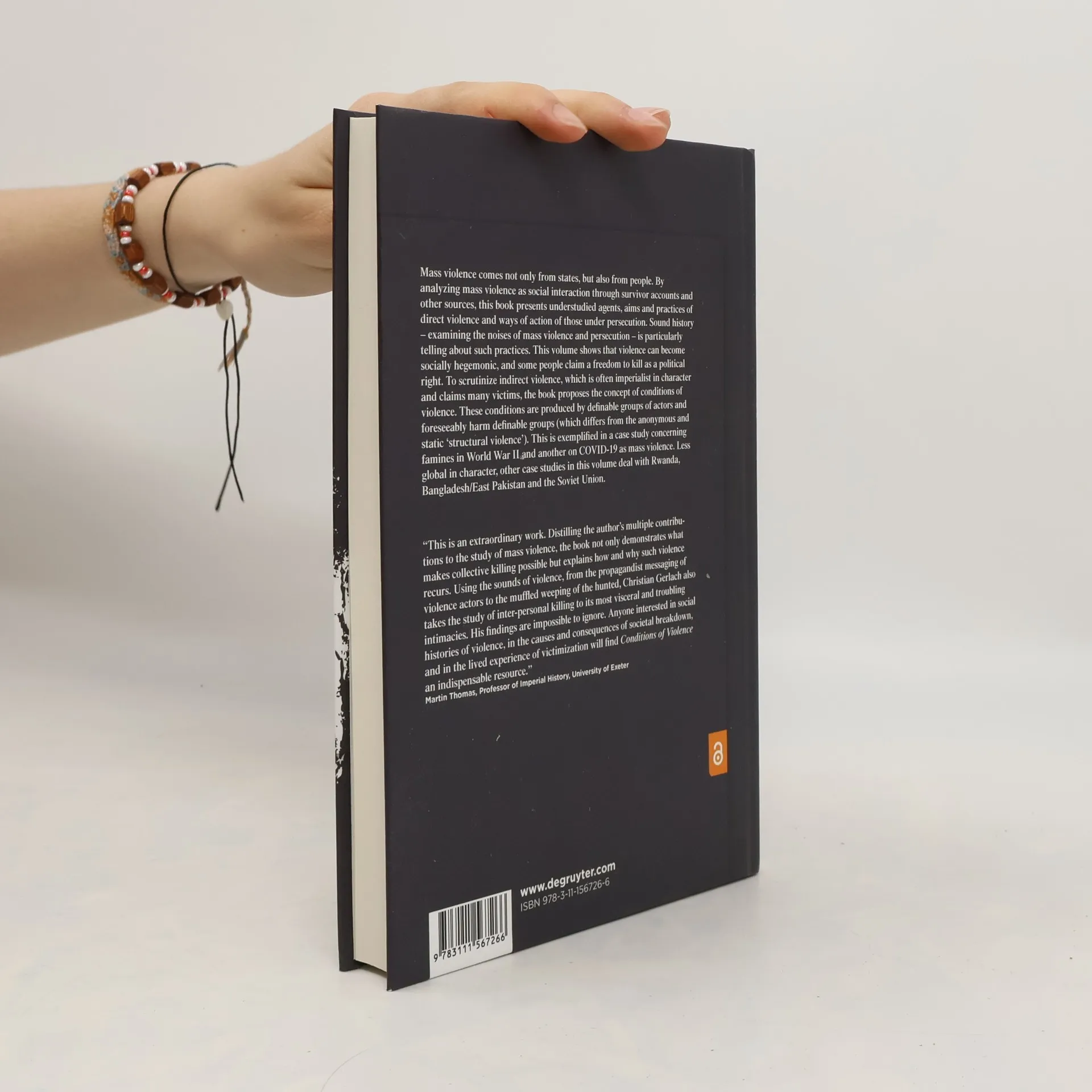
Mass violence comes not only from states, but also from people. By analyzing mass violence as social interaction through survivor accounts and other sources, this book presents understudied agents, aims and practices of direct violence and ways of action of those under persecution. Sound history - examining the noises of mass violence and persecution - is particularly telling about such practices. This volume shows that violence can become socially hegemonic, and some people claim a freedom to kill as a political right. To scrutinize indirect violence, which is often imperialist in character and claims many victims, the book proposes the concept of conditions of violence. These conditions are produced by definable groups of actors and foreseeably harm definable groups (which differs from the anonymous and static 'structural violence'). This is exemplified in a case study concerning famines in World War II and another on COVID-19 as mass violence. Less global in character, other case studies in this volume deal with Rwanda, Bangladesh/East Pakistan and the Soviet Union.
Achat du livre
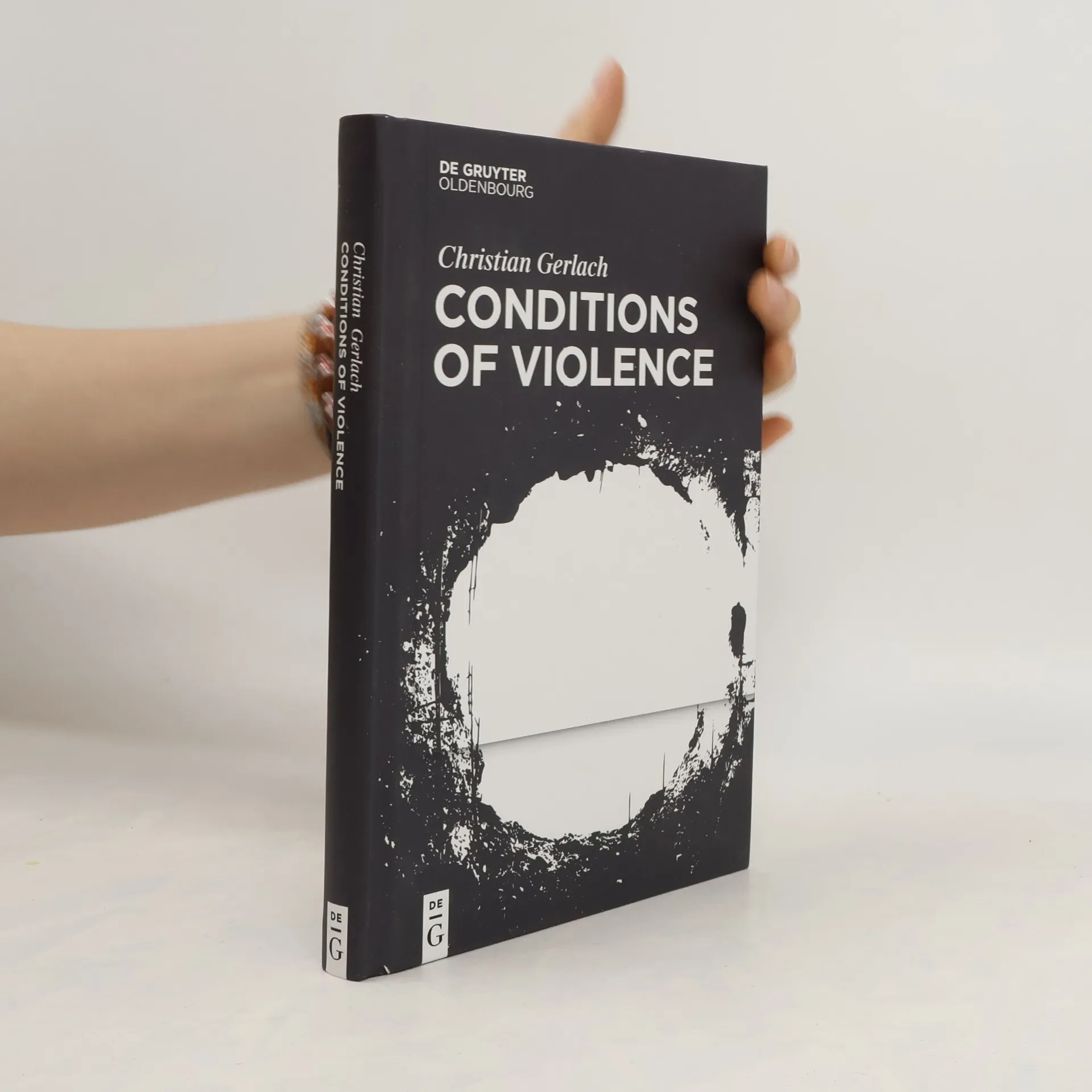
Conditions of violence, Christian Gerlach
- Langue

- Année de publication
- 2024
- Reliure
- (rigide)
Modes de paiement
Il manque plus que ton avis ici.
- Titre
- Conditions of violence
- Langue
- Anglais
- Auteurs
- Christian Gerlach
- Éditeur
- De Gruyter Oldenbourg
- Publié
- 2024
- Format
- rigide
- Pages
- 290
- ISBN10
- 3111567265
- ISBN13
- 9783111567266
- Séries
- Catégories
- Mots clés
- Thèmes psychologiques
- Évaluation
- 5 sur 5
- Description
- Mass violence comes not only from states, but also from people. By analyzing mass violence as social interaction through survivor accounts and other sources, this book presents understudied agents, aims and practices of direct violence and ways of action of those under persecution. Sound history - examining the noises of mass violence and persecution - is particularly telling about such practices. This volume shows that violence can become socially hegemonic, and some people claim a freedom to kill as a political right. To scrutinize indirect violence, which is often imperialist in character and claims many victims, the book proposes the concept of conditions of violence. These conditions are produced by definable groups of actors and foreseeably harm definable groups (which differs from the anonymous and static 'structural violence'). This is exemplified in a case study concerning famines in World War II and another on COVID-19 as mass violence. Less global in character, other case studies in this volume deal with Rwanda, Bangladesh/East Pakistan and the Soviet Union.