

En savoir plus sur le livre
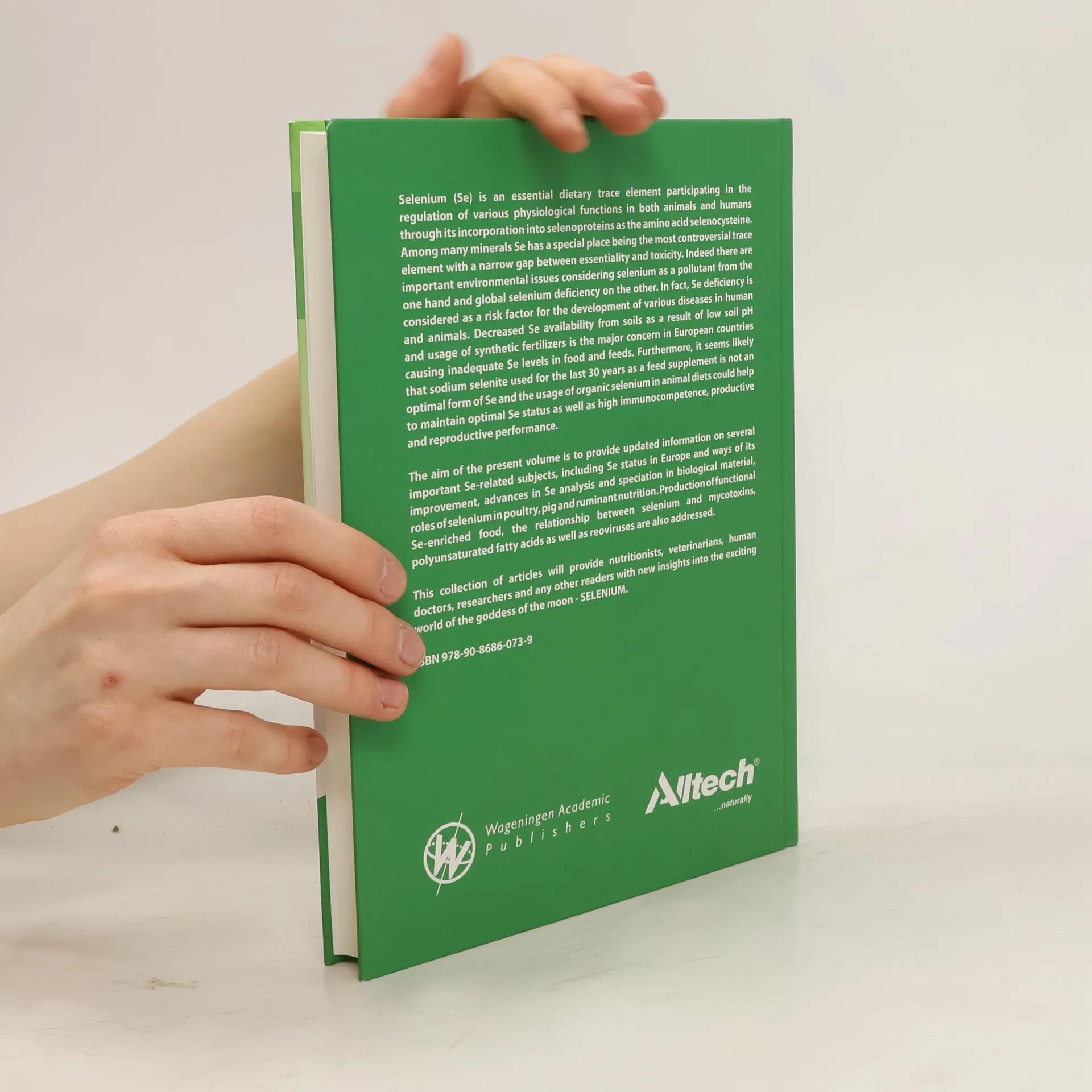
Selenium (Se) is a vital dietary trace element that plays a crucial role in various physiological functions in both animals and humans by being incorporated into selenoproteins as selenocysteine. It stands out among minerals due to its controversial nature, balancing essentiality and toxicity. Environmental concerns arise from its classification as a pollutant while simultaneously facing global deficiency. Se deficiency poses risks for numerous diseases in humans and animals. In Europe, reduced Se availability from soils, attributed to low pH and synthetic fertilizers, leads to inadequate levels in food and feed. The long-term use of sodium selenite as a feed supplement may not be ideal, suggesting that organic selenium could better support optimal Se status, immunocompetence, and overall productivity in livestock. This volume compiles updated insights on various Se-related topics, including the current Se status in Europe and strategies for enhancement, advancements in Se analysis and speciation in biological materials, and its nutritional roles in poultry, pigs, and ruminants. It also discusses the production of functional Se-enriched foods and the interplay between selenium, mycotoxins, polyunsaturated fatty acids, and reoviruses. This collection offers valuable information for nutritionists, veterinarians, medical professionals, researchers, and other interested readers.
Achat du livre
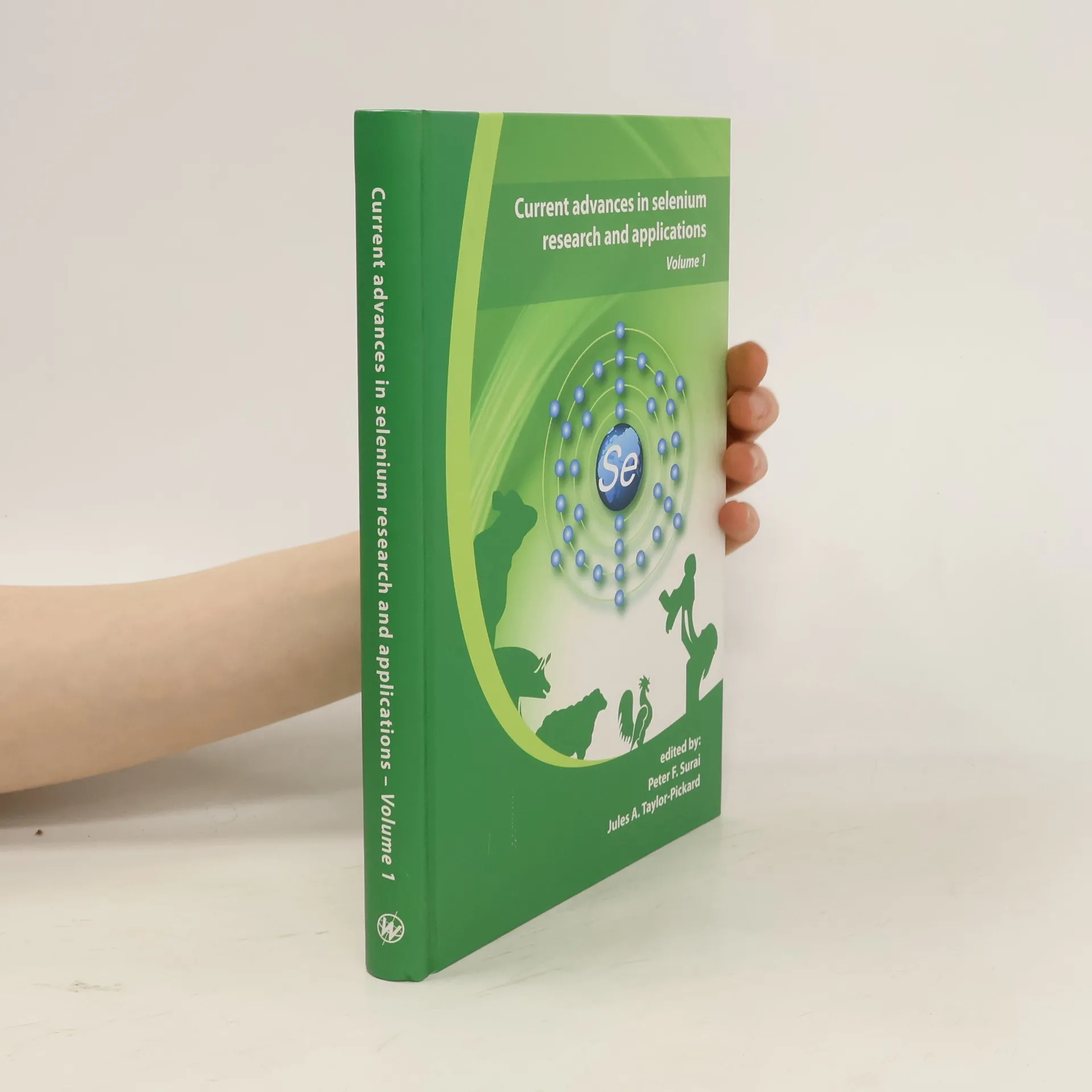
Current Advances in Selenium Research and Applications, Peter F. Surai, Jules A. TaylorPickard
- Langue

- Année de publication
- 2008
- Reliure
- (rigide)
Modes de paiement
Personne n'a encore évalué .
- Titre
- Current Advances in Selenium Research and Applications
- Langue
- Anglais
- Auteurs
- Peter F. Surai, Jules A. TaylorPickard
- Publié
- 2008
- Format
- rigide
- Pages
- 351
- ISBN10
- 9086860737
- ISBN13
- 9789086860739
- Séries
- Catégories
- Mots clés
- Sciences naturelles
- Description
- Selenium (Se) is a vital dietary trace element that plays a crucial role in various physiological functions in both animals and humans by being incorporated into selenoproteins as selenocysteine. It stands out among minerals due to its controversial nature, balancing essentiality and toxicity. Environmental concerns arise from its classification as a pollutant while simultaneously facing global deficiency. Se deficiency poses risks for numerous diseases in humans and animals. In Europe, reduced Se availability from soils, attributed to low pH and synthetic fertilizers, leads to inadequate levels in food and feed. The long-term use of sodium selenite as a feed supplement may not be ideal, suggesting that organic selenium could better support optimal Se status, immunocompetence, and overall productivity in livestock. This volume compiles updated insights on various Se-related topics, including the current Se status in Europe and strategies for enhancement, advancements in Se analysis and speciation in biological materials, and its nutritional roles in poultry, pigs, and ruminants. It also discusses the production of functional Se-enriched foods and the interplay between selenium, mycotoxins, polyunsaturated fatty acids, and reoviruses. This collection offers valuable information for nutritionists, veterinarians, medical professionals, researchers, and other interested readers.