


En savoir plus sur le livre
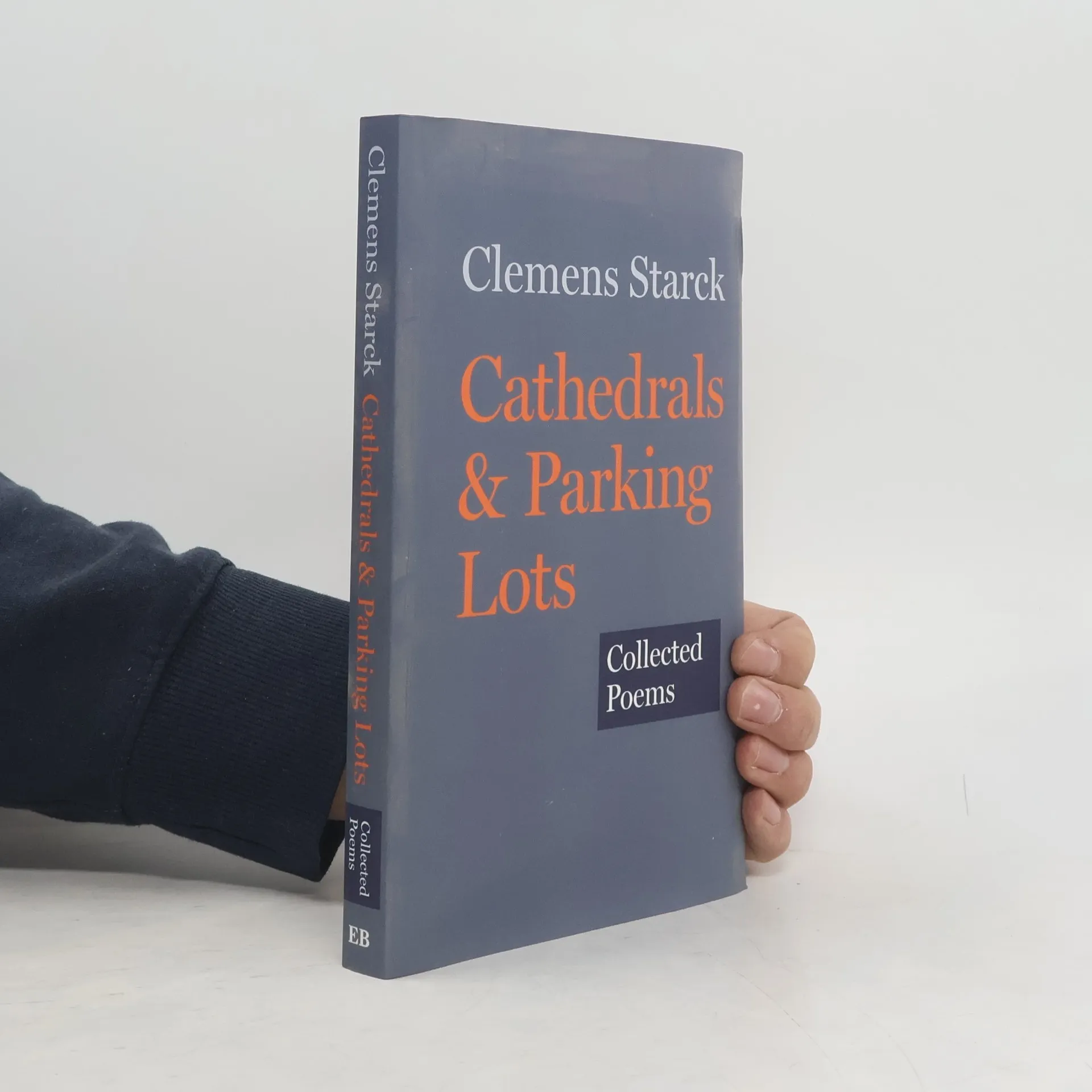
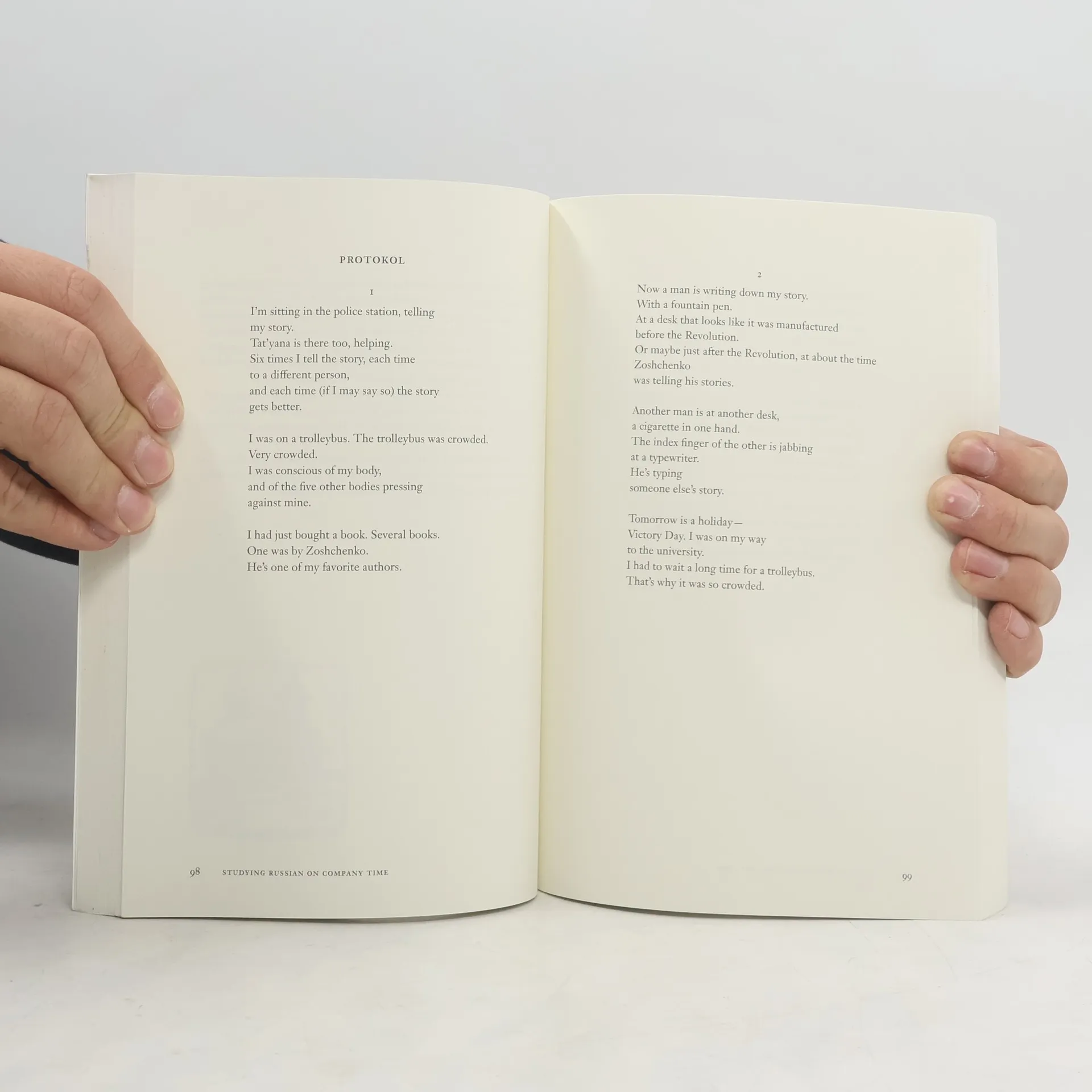
Poetry. In his early twenties, Clemens Starck dropped out of Princeton and decided to take responsibility for his own education--to read deeply, travel widely, and write poems with the precision and plainspoken-ness of the Chinese masters. Over the decades, he also kept his mind clear by making a living with his hands. CATHEDRALS & PARKING LOTS represents the work of a lifetime--poems of memorable clarity and substance based on actual experiences, whether standing lookout on the bow of a freighter, dismantling houses for a living, building a freeway overpass, or traveling to Russia and studying the language. Composed in the cadences of everyday speech, Starck's poems have the functional beauty of a Shaker chair--every word, every line, every image belongs.
Achat du livre
Cathedrals & Parking Lots: Collected Poems, Clemens Starck
- Langue

- Année de publication
- 2018
- Reliure
- (souple)
Modes de paiement
Il manque plus que ton avis ici.
- Titre
- Cathedrals & Parking Lots: Collected Poems
- Langue
- Anglais
- Auteurs
- Clemens Starck
- Éditeur
- Empty Bowl
- Publié
- 2018
- Format
- souple
- Pages
- 280
- ISBN10
- 0912887745
- ISBN13
- 9780912887746
- Séries
- Évaluation
- 4,25 sur 5
- Description
- Poetry. In his early twenties, Clemens Starck dropped out of Princeton and decided to take responsibility for his own education--to read deeply, travel widely, and write poems with the precision and plainspoken-ness of the Chinese masters. Over the decades, he also kept his mind clear by making a living with his hands. CATHEDRALS & PARKING LOTS represents the work of a lifetime--poems of memorable clarity and substance based on actual experiences, whether standing lookout on the bow of a freighter, dismantling houses for a living, building a freeway overpass, or traveling to Russia and studying the language. Composed in the cadences of everyday speech, Starck's poems have the functional beauty of a Shaker chair--every word, every line, every image belongs.