



En savoir plus sur le livre
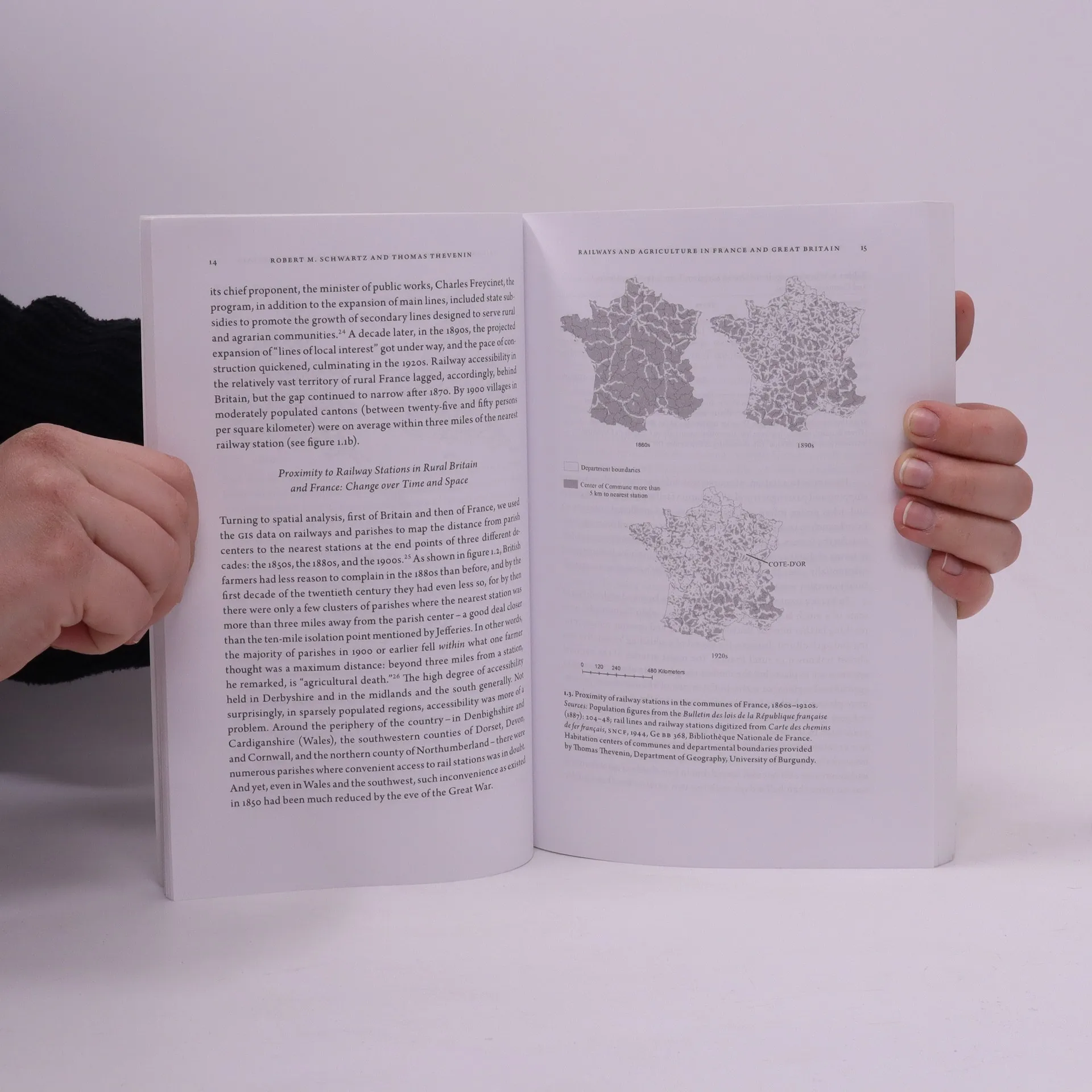
"The application of geo-spatial technologies, especially Geographic Information Systems (GIS), to issues in history is among the most exciting developments in both digital humanities and spatial humanities. The book captures the wide variety of geo-spatial applications to both traditional and non-traditional subjects in history through a series of exemplary essays designed to signal to non-specialists the methodological and substantive implications of a spatial approach to the humanities. The aim of the book is to illustrate how the use of historical GIS is changing our understanding of the geographies of the past, and how it has become the foundation for new approaches to the study of history. The essays are divided into two parts. The first features new approaches to the past by focusing on current developments in the use of historical sources. The second looks at the insights gained by applying GIS to develop historiography. Together the essays form, not a 'how-to' guide for researchers, but a compelling demonstration of how GIS can contribute to our historical understanding"--
Achat du livre
Toward Spatial Humanities : Historical GIS and Spatial History, Ian Gregory, A. Geddes
- Langue

- Année de publication
- 2014
- Reliure
- (souple)
Modes de paiement
Il manque plus que ton avis ici.
- Titre
- Toward Spatial Humanities : Historical GIS and Spatial History
- Langue
- Anglais
- Auteurs
- Ian Gregory, A. Geddes
- Éditeur
- Indiana University Press
- Publié
- 2014
- Format
- souple
- Pages
- 234
- ISBN10
- 0253011868
- ISBN13
- 9780253011862
- Séries
- Recueil
- Spatial humanities
- Mots clés
- Thème historique, Autre histoire
- Évaluation
- 3,5 sur 5
- Description
- "The application of geo-spatial technologies, especially Geographic Information Systems (GIS), to issues in history is among the most exciting developments in both digital humanities and spatial humanities. The book captures the wide variety of geo-spatial applications to both traditional and non-traditional subjects in history through a series of exemplary essays designed to signal to non-specialists the methodological and substantive implications of a spatial approach to the humanities. The aim of the book is to illustrate how the use of historical GIS is changing our understanding of the geographies of the past, and how it has become the foundation for new approaches to the study of history. The essays are divided into two parts. The first features new approaches to the past by focusing on current developments in the use of historical sources. The second looks at the insights gained by applying GIS to develop historiography. Together the essays form, not a 'how-to' guide for researchers, but a compelling demonstration of how GIS can contribute to our historical understanding"--