

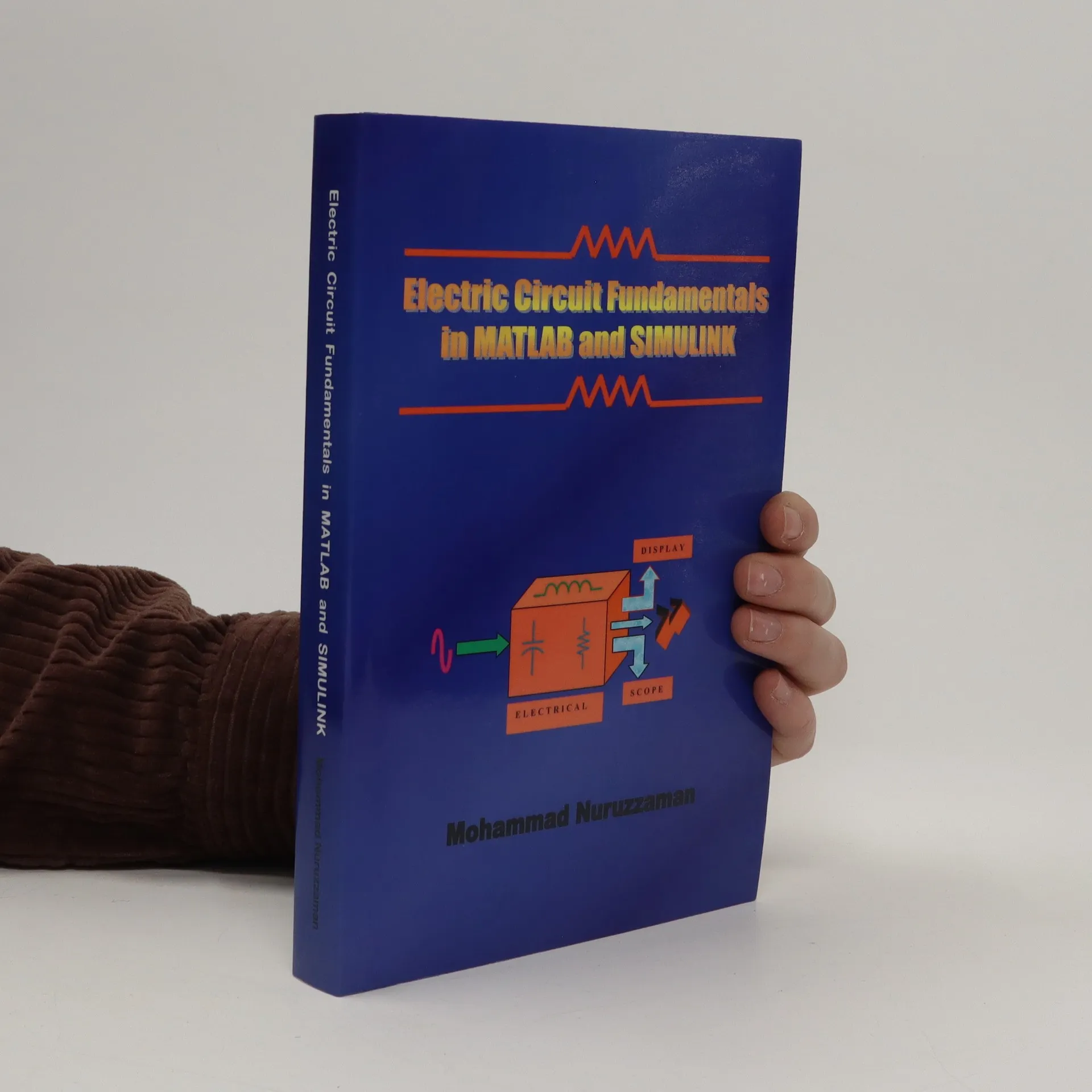

En savoir plus sur le livre
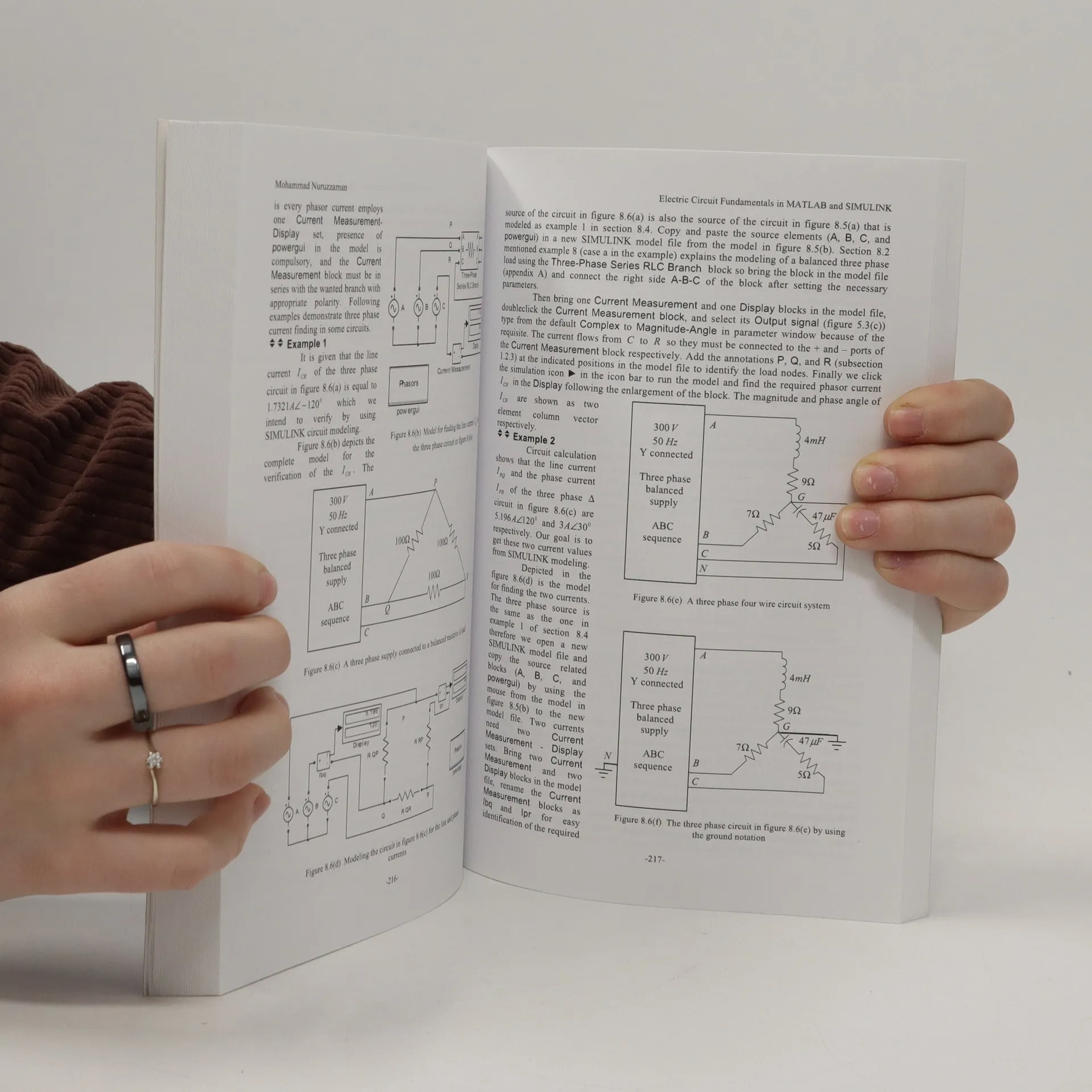
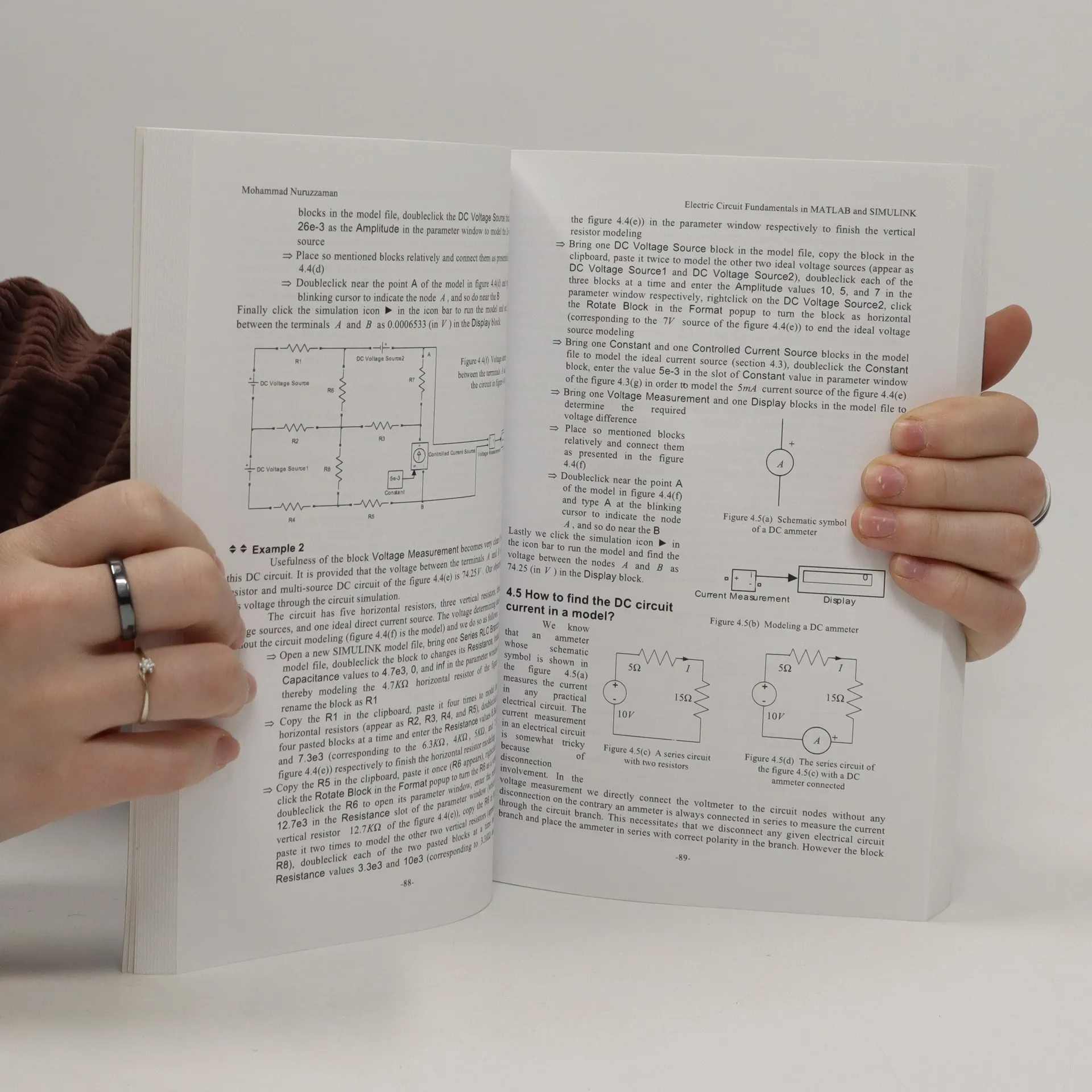
The book provides hand-on guidelines for employing MATLAB and SIMULINK tools meant for the problems of introductory electrical circuit course. Computer-generated solutions of electric circuit problems through the wings of MATLAB and SIMULINK certify reader's intuition about the learning of circuit fundamentals. The supplement explores computational as well as modeling approach to circuit analysis wherever possible. With the distinctive features such as concise programming provision, interactive facility, and fully featured graphics environment of MATLAB, electric circuit study has never been so straightforward. Comprehensive introduction, prototype examples with expected circuit return, and substantial number of illustrative circuit problems ranging from easy-solvable to tough-realizable are the salient features of the text. It is hoped that maintaining made-easy approach and attaching minute implementational details with minimal theory yet firm emphasis on circuit-solving will form a better foundation to the next-generation electrical engineers or their linked learners.
Achat du livre
Eletric Circuit Fundamentals in MATLAB and SIMULINK, Mohammad Nuruzzaman
- Langue

- Année de publication
- 2007
- Reliure
- (souple)
Modes de paiement
Personne n'a encore évalué .
- Titre
- Eletric Circuit Fundamentals in MATLAB and SIMULINK
- Langue
- Anglais
- Auteurs
- Mohammad Nuruzzaman
- Publié
- 2007
- Format
- souple
- Pages
- 362
- ISBN10
- 1419663496
- ISBN13
- 9781419663499
- Séries
- Mots clés
- Description
- The book provides hand-on guidelines for employing MATLAB and SIMULINK tools meant for the problems of introductory electrical circuit course. Computer-generated solutions of electric circuit problems through the wings of MATLAB and SIMULINK certify reader's intuition about the learning of circuit fundamentals. The supplement explores computational as well as modeling approach to circuit analysis wherever possible. With the distinctive features such as concise programming provision, interactive facility, and fully featured graphics environment of MATLAB, electric circuit study has never been so straightforward. Comprehensive introduction, prototype examples with expected circuit return, and substantial number of illustrative circuit problems ranging from easy-solvable to tough-realizable are the salient features of the text. It is hoped that maintaining made-easy approach and attaching minute implementational details with minimal theory yet firm emphasis on circuit-solving will form a better foundation to the next-generation electrical engineers or their linked learners.