



En savoir plus sur le livre
Samuel Beckett’s writing is increasingly recognized as a pinnacle of twentieth-century literature, following the legacies of Proust, Joyce, and Kafka. His relevance and use of poetic imagery can be likened to Shakespeare’s during the Renaissance. John Calder explores Beckett’s work, emphasizing its philosophical, theological, and ethical implications, highlighting often overlooked aspects of his thought. Beckett’s sharp intellect dismantled the fundamental beliefs that most people hold, employing biting satire and devastating wit. He found no refuge from human tragedy in the comforts we create, including art, which many intellectuals have come to view as a substitute for religion. Nevertheless, he articulated a moral message that contradicts the conventional values of ambition, success, and security, critiquing the greed, worship of power, and cruelty that society often accepts. This study may shock readers due to the honesty and depth of Beckett’s insights, expressed across his novels, plays, poetry, and correspondence. Yet, his work also offers comfort through a different ethical framework rooted in stoic courage, compassion, and the capacity for understanding and forgiveness.
Achat du livre
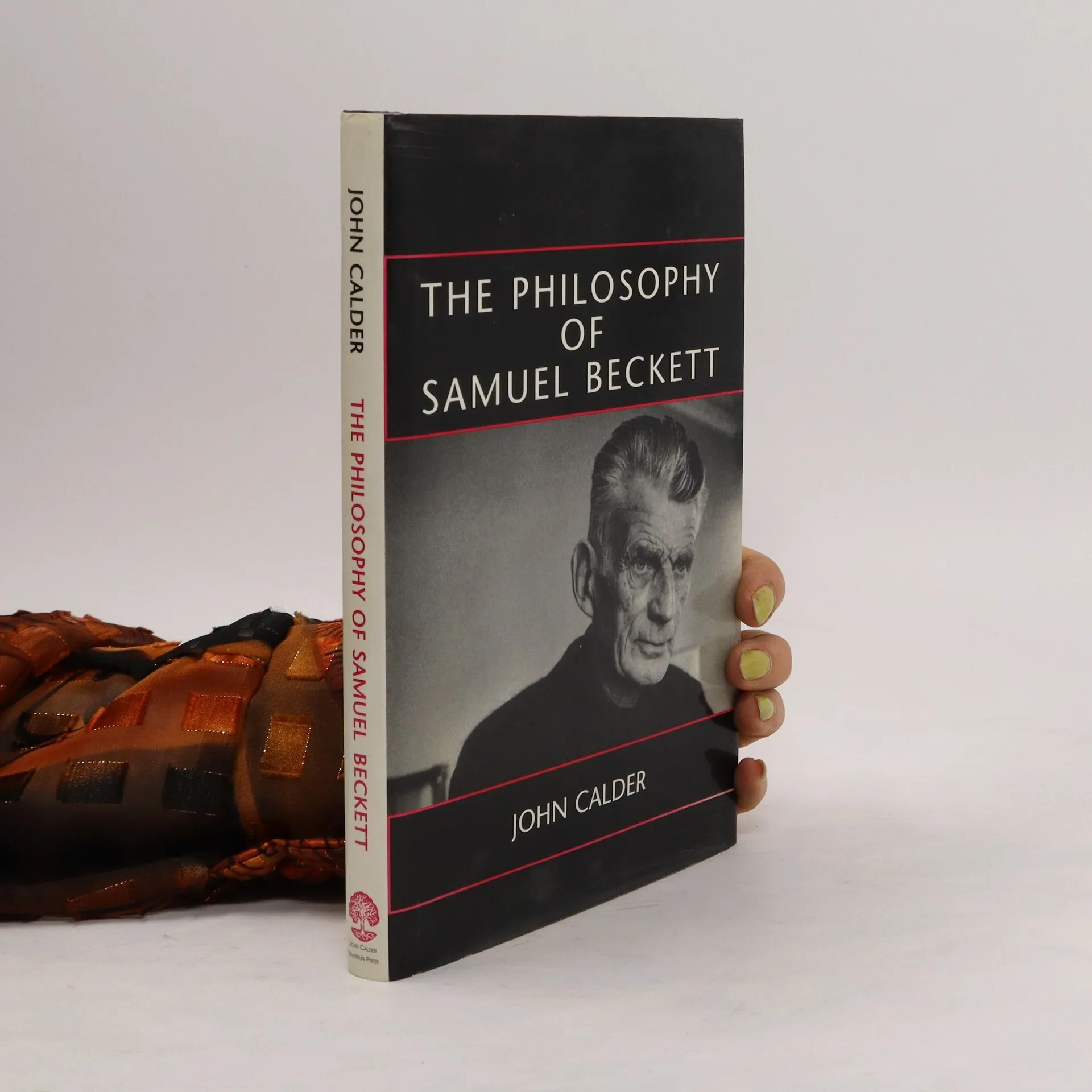
The Philosophy of Samuel Beckett, John Calder
- Langue

- Année de publication
- 1999
- Reliure
- (rigide)
Modes de paiement
Personne n'a encore évalué .
- Titre
- The Philosophy of Samuel Beckett
- Langue
- Anglais
- Auteurs
- John Calder
- Éditeur
- Calder Publications Ltd
- Publié
- 1999
- Format
- rigide
- Pages
- 158
- ISBN10
- 0714542849
- ISBN13
- 9780714542843
- Séries
- Catégories
- Mots clés
- Thématique philosophique
- Description
- Samuel Beckett’s writing is increasingly recognized as a pinnacle of twentieth-century literature, following the legacies of Proust, Joyce, and Kafka. His relevance and use of poetic imagery can be likened to Shakespeare’s during the Renaissance. John Calder explores Beckett’s work, emphasizing its philosophical, theological, and ethical implications, highlighting often overlooked aspects of his thought. Beckett’s sharp intellect dismantled the fundamental beliefs that most people hold, employing biting satire and devastating wit. He found no refuge from human tragedy in the comforts we create, including art, which many intellectuals have come to view as a substitute for religion. Nevertheless, he articulated a moral message that contradicts the conventional values of ambition, success, and security, critiquing the greed, worship of power, and cruelty that society often accepts. This study may shock readers due to the honesty and depth of Beckett’s insights, expressed across his novels, plays, poetry, and correspondence. Yet, his work also offers comfort through a different ethical framework rooted in stoic courage, compassion, and the capacity for understanding and forgiveness.