

En savoir plus sur le livre
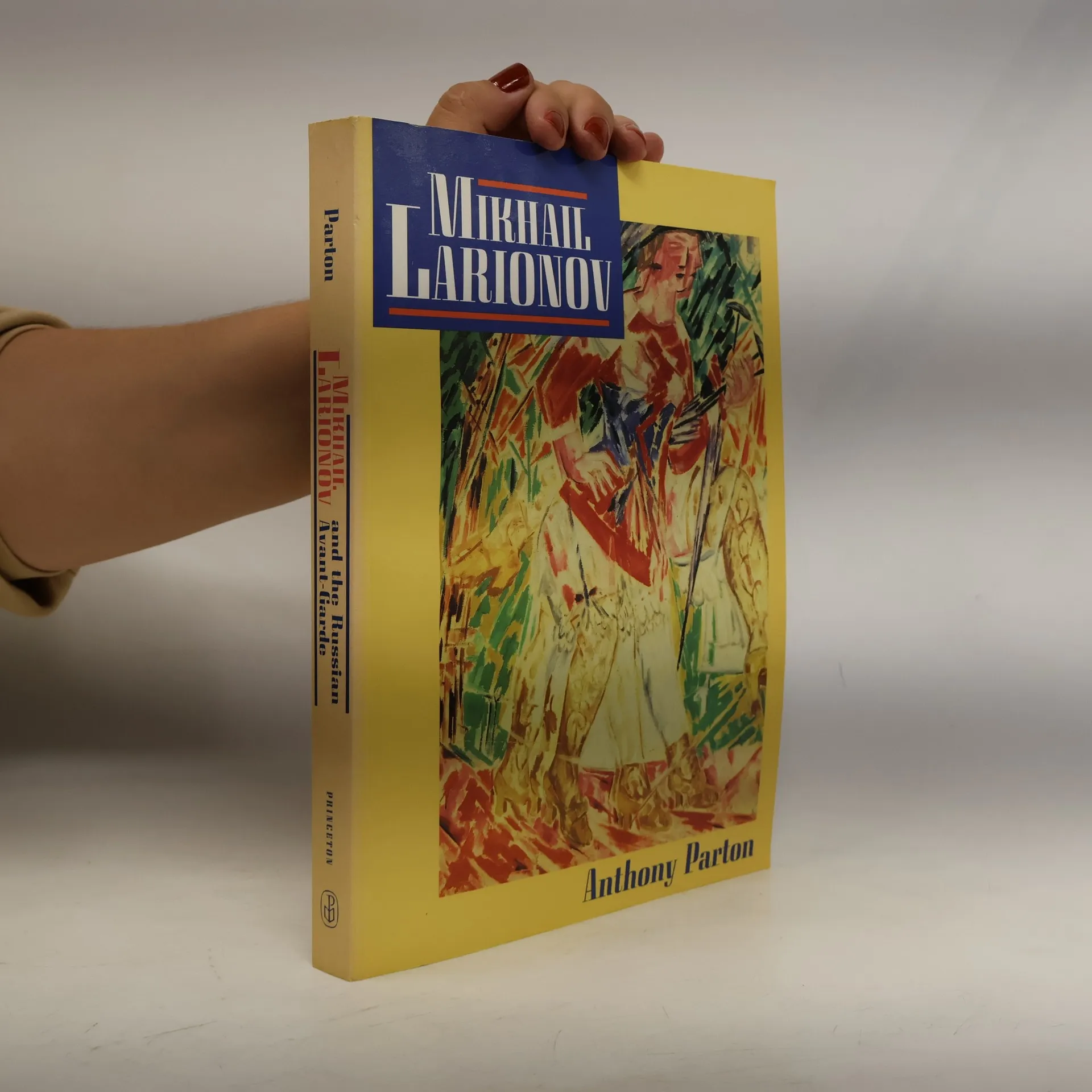
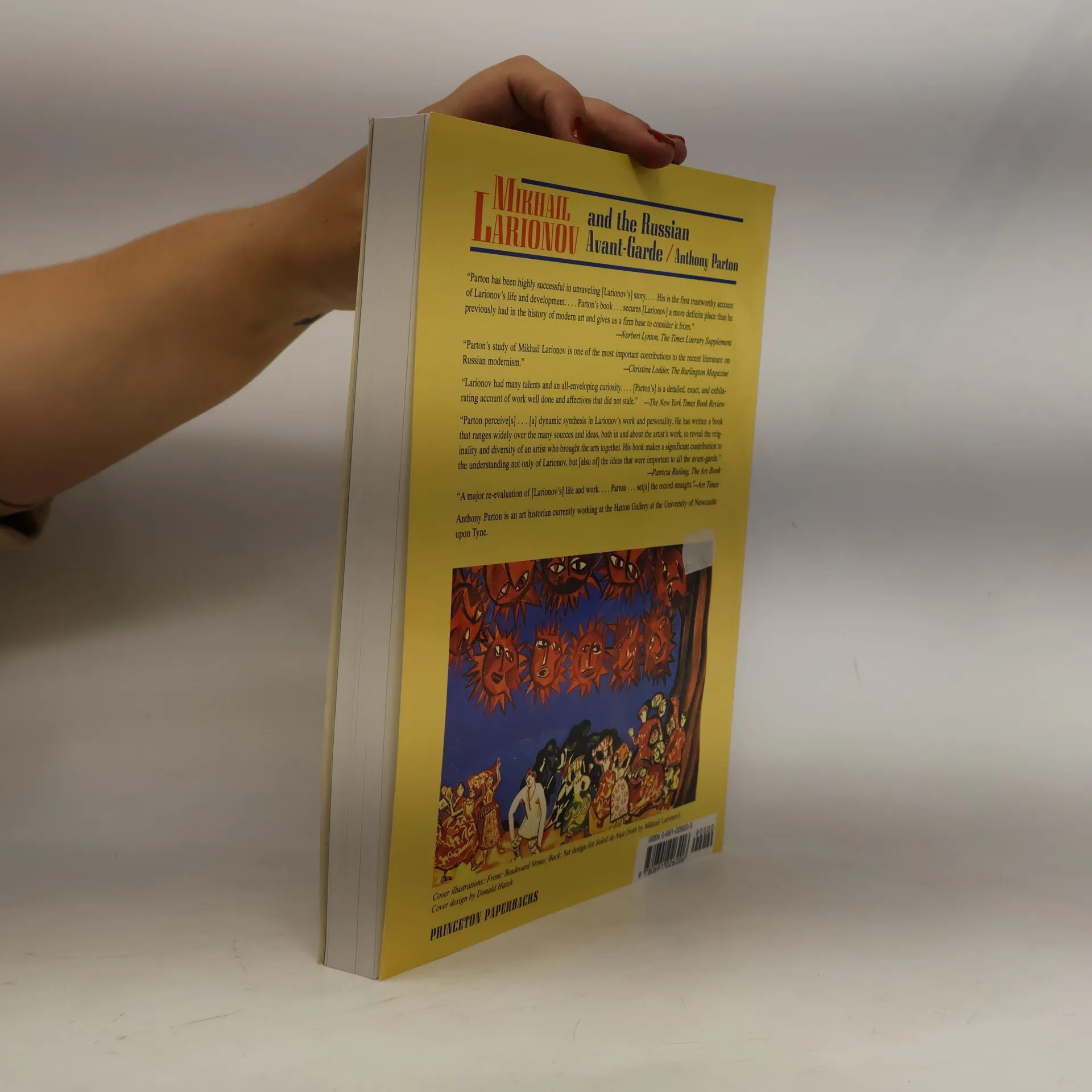
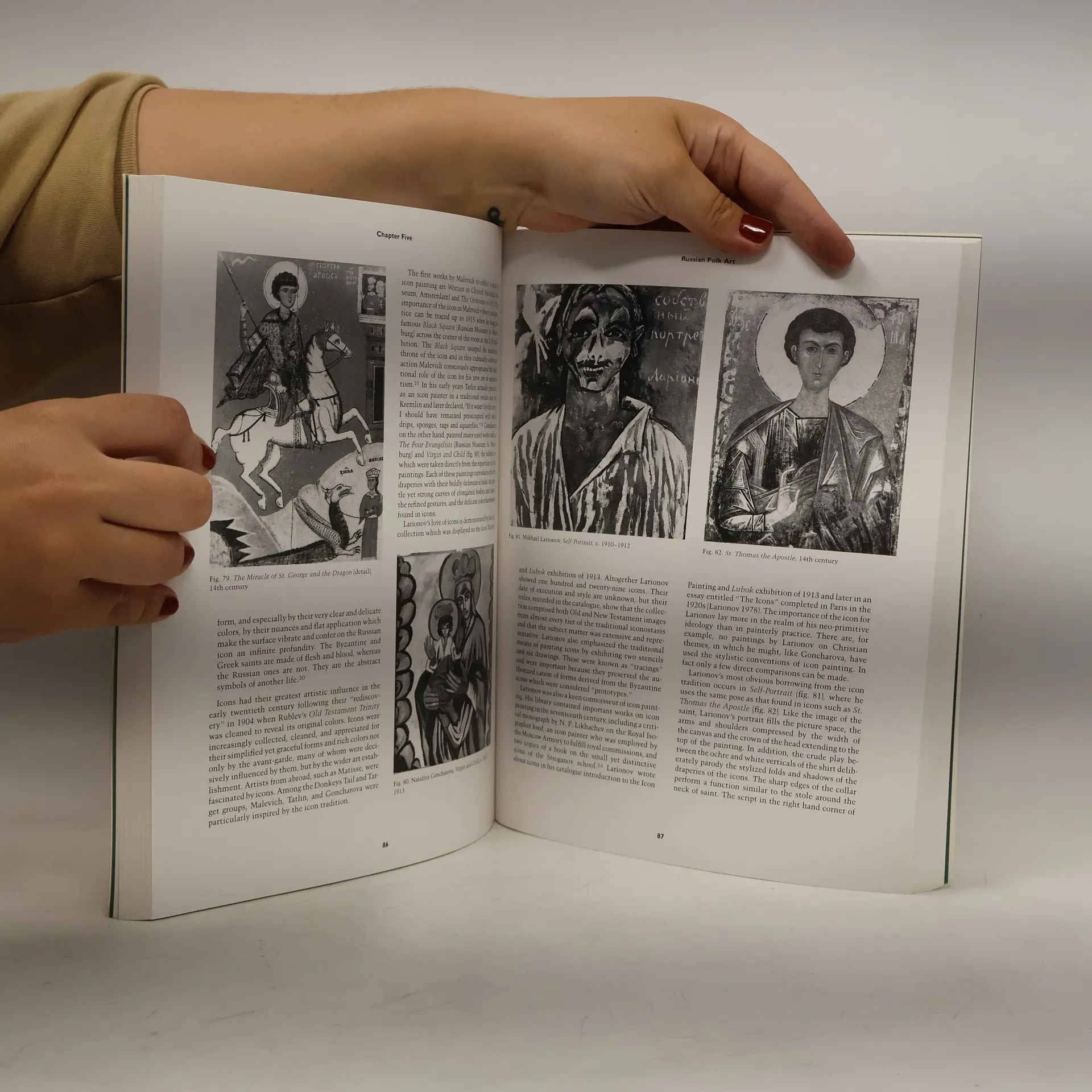
A revolutionary multi-media artist and flamboyant personality, Mikhail Larionov galvanized the art scene in the early twentieth century, striving for a truly Russian style of art to rival the avant-garde movement of Europe and setting the stage for Russian constructivism. With his life-long partner, Nataliya Goncharova, he led his generation in exploring mysticism and shamanism and sparked a counter-culture that flourished in the cabarets of Moscow. The development of his career, however, has long eluded the grasp of historians, partly because Larionov, ever conscious of his role in art history, backdated many of his paintings, set designs, and graphic works. In this book, Anthony Parton reconstructs an important episode in the story of the Russian avant-garde.
Achat du livre
Mikhail Larionov and the Russian Avant-Garde, Anthony Parton
- Langue

- Année de publication
- 1996
- Reliure
- (souple)
Modes de paiement
Il manque plus que ton avis ici.
- Titre
- Mikhail Larionov and the Russian Avant-Garde
- Langue
- Anglais
- Auteurs
- Anthony Parton
- Éditeur
- Princeton University Press
- Publié
- 1996
- Format
- souple
- Pages
- 252
- ISBN10
- 0691026203
- ISBN13
- 9780691026206
- Séries
- Catégories
- Mots clés
- Art
- Évaluation
- 4 sur 5
- Description
- A revolutionary multi-media artist and flamboyant personality, Mikhail Larionov galvanized the art scene in the early twentieth century, striving for a truly Russian style of art to rival the avant-garde movement of Europe and setting the stage for Russian constructivism. With his life-long partner, Nataliya Goncharova, he led his generation in exploring mysticism and shamanism and sparked a counter-culture that flourished in the cabarets of Moscow. The development of his career, however, has long eluded the grasp of historians, partly because Larionov, ever conscious of his role in art history, backdated many of his paintings, set designs, and graphic works. In this book, Anthony Parton reconstructs an important episode in the story of the Russian avant-garde.