

En savoir plus sur le livre
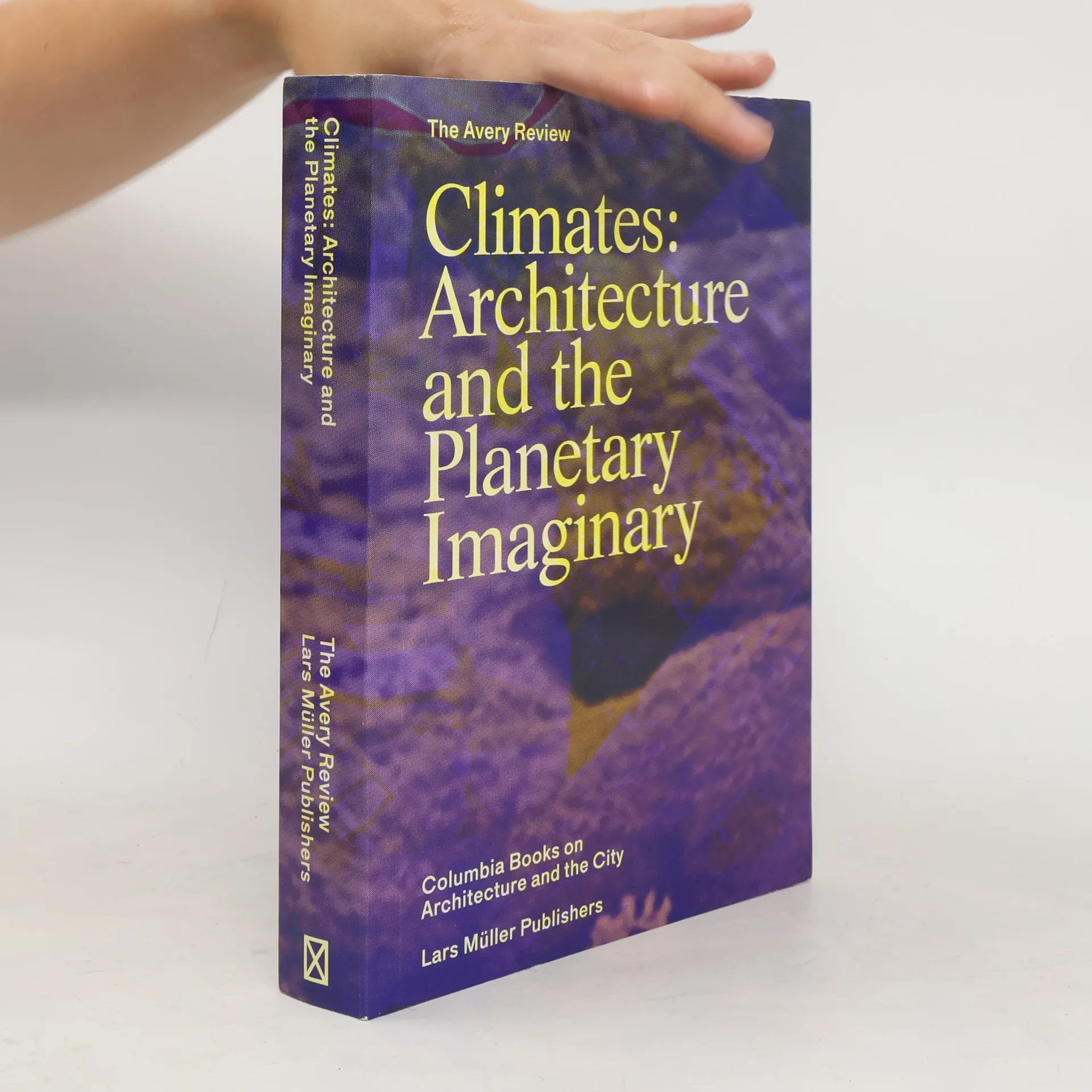
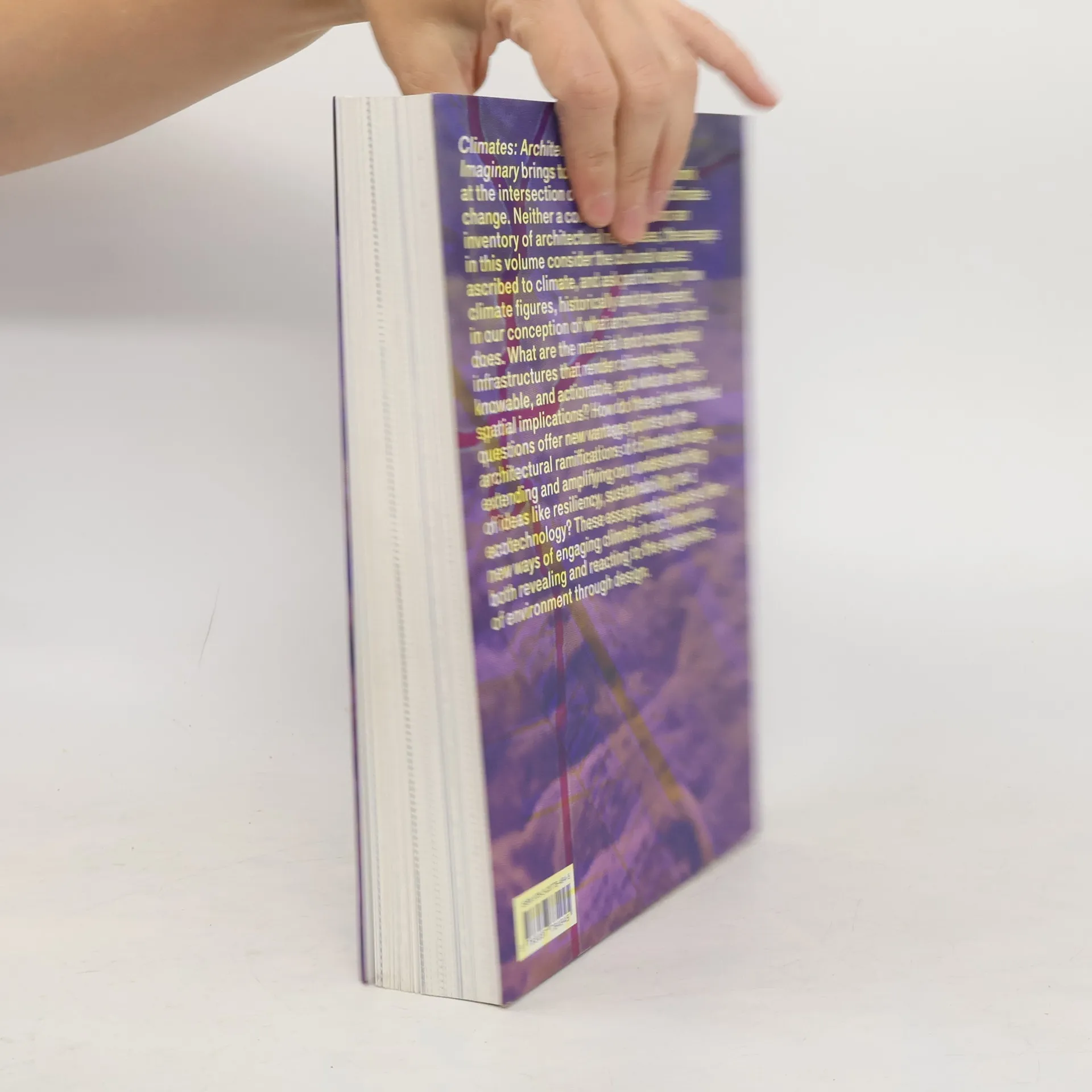
Climates: Architecture and the Planetary Imaginary brings together discussions and projects at the intersection of architecture and climate change. Comprehensive essays consider cultural values ascribed to climate and ask how climate influences our conception of what architecture is and does. 0Which materials and conceptual infrastructures render climate legible, knowable and actionable, and what are their spatial implications? How do these interrelated questions offer new vantage points on the architectural rami?cations of climate change at the interfaces between resiliency, sustainability and eco-technology? New approaches to understanding climate in architecture based on research as well as the work of leading practitioners make this forward-thinking book invaluable. 0.
Achat du livre
Climates: Architecture and the Planetary Imaginary, Jack Higgins
- Langue

- Année de publication
- 2016
- Reliure
- (souple)
Modes de paiement
Il manque plus que ton avis ici.
- Titre
- Climates: Architecture and the Planetary Imaginary
- Langue
- Anglais
- Auteurs
- Jack Higgins
- Éditeur
- Lars Müller Publishers
- Publié
- 2016
- Format
- souple
- Pages
- 384
- ISBN10
- 3037784946
- ISBN13
- 9783037784945
- Séries
- Mots clés
- Architecture
- Évaluation
- 4,2 sur 5
- Description
- Climates: Architecture and the Planetary Imaginary brings together discussions and projects at the intersection of architecture and climate change. Comprehensive essays consider cultural values ascribed to climate and ask how climate influences our conception of what architecture is and does. 0Which materials and conceptual infrastructures render climate legible, knowable and actionable, and what are their spatial implications? How do these interrelated questions offer new vantage points on the architectural rami?cations of climate change at the interfaces between resiliency, sustainability and eco-technology? New approaches to understanding climate in architecture based on research as well as the work of leading practitioners make this forward-thinking book invaluable. 0.