

En savoir plus sur le livre
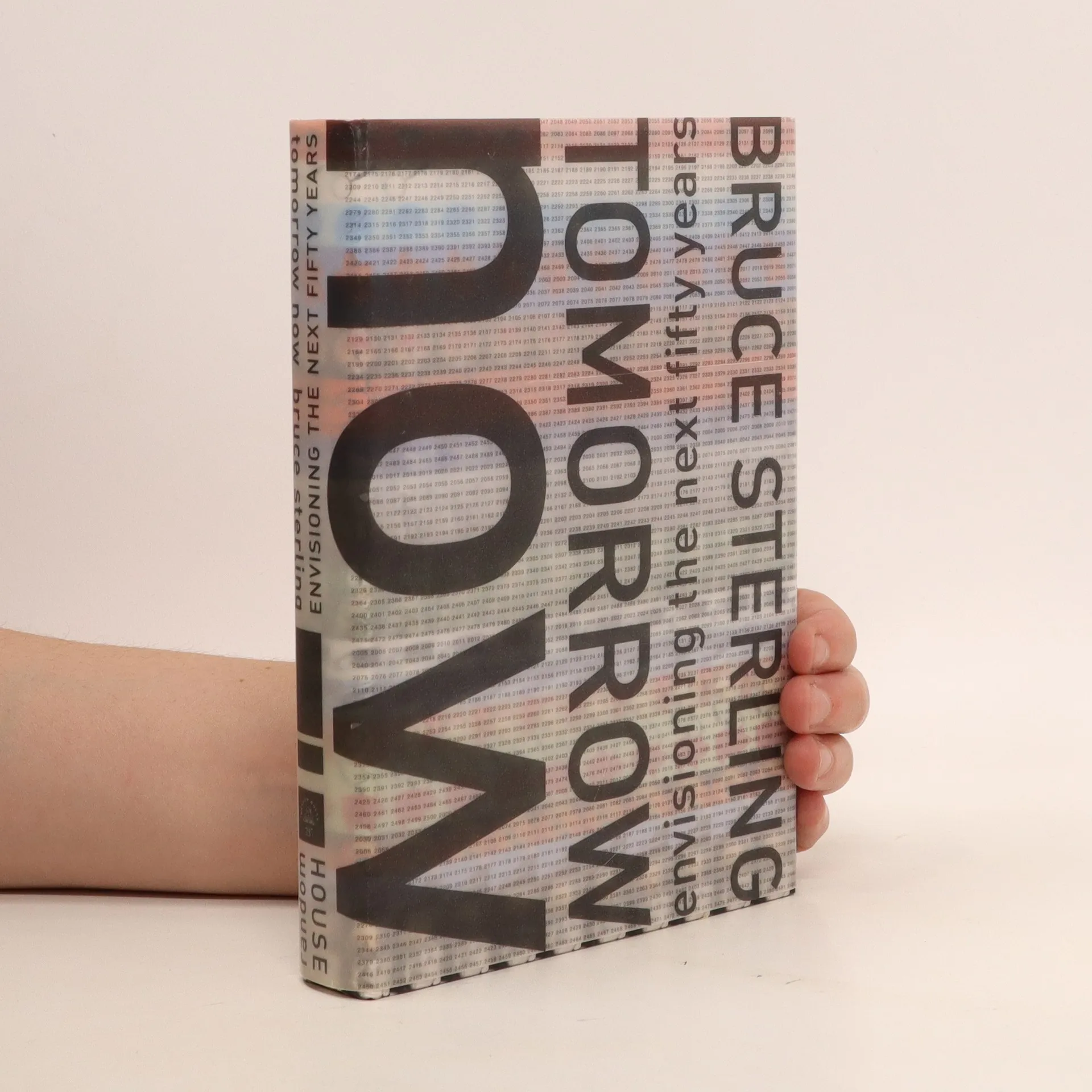
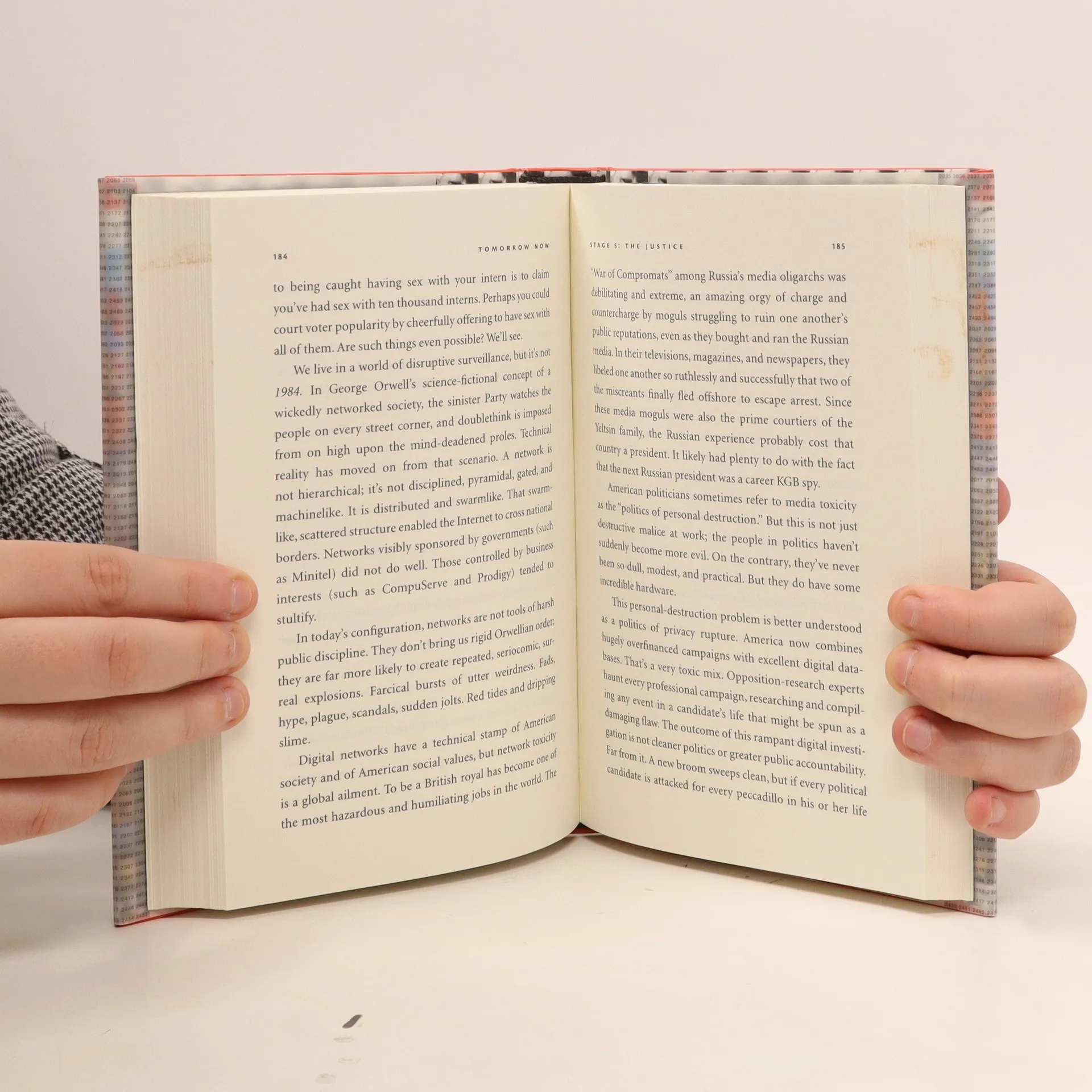
The current generation is destined to see a world that will be completely different from our own. Making a true leap into the future, renowned science fiction writer Bruce Sterling discusses how the world will change in the next fifty years. Using a well-known monologue by Shakespeare as a foundation, Sterling dedicates each chapter of his book to one of the seven scenes in the drama of human life: childhood, school, love, war, politics, work, and old age. Examining the issue from multiple angles, Sterling shares his witty and unexpected observations about the role of biotechnology, information networks, the military, advanced technologies, and much more in the emergence of posthumanity. He also analyzes the works of other futurists (Kevin Kelly, Lawrence Lessig, and Stewart Brand) and introduces readers to political movements that could provoke future wars. Simultaneously, the writer addresses many pressing contemporary issues, including genetic research, global warming, and bioterrorism.
Achat du livre
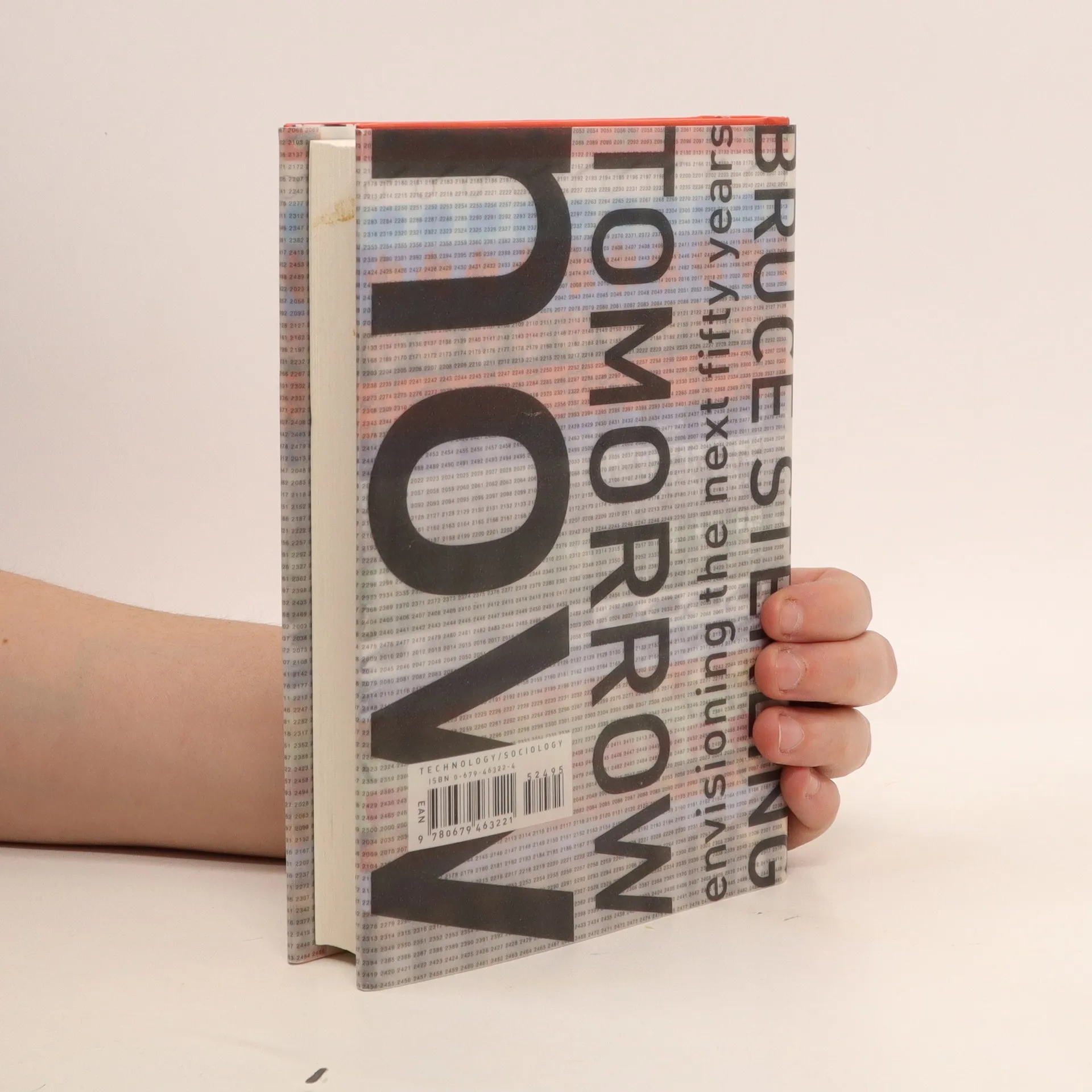
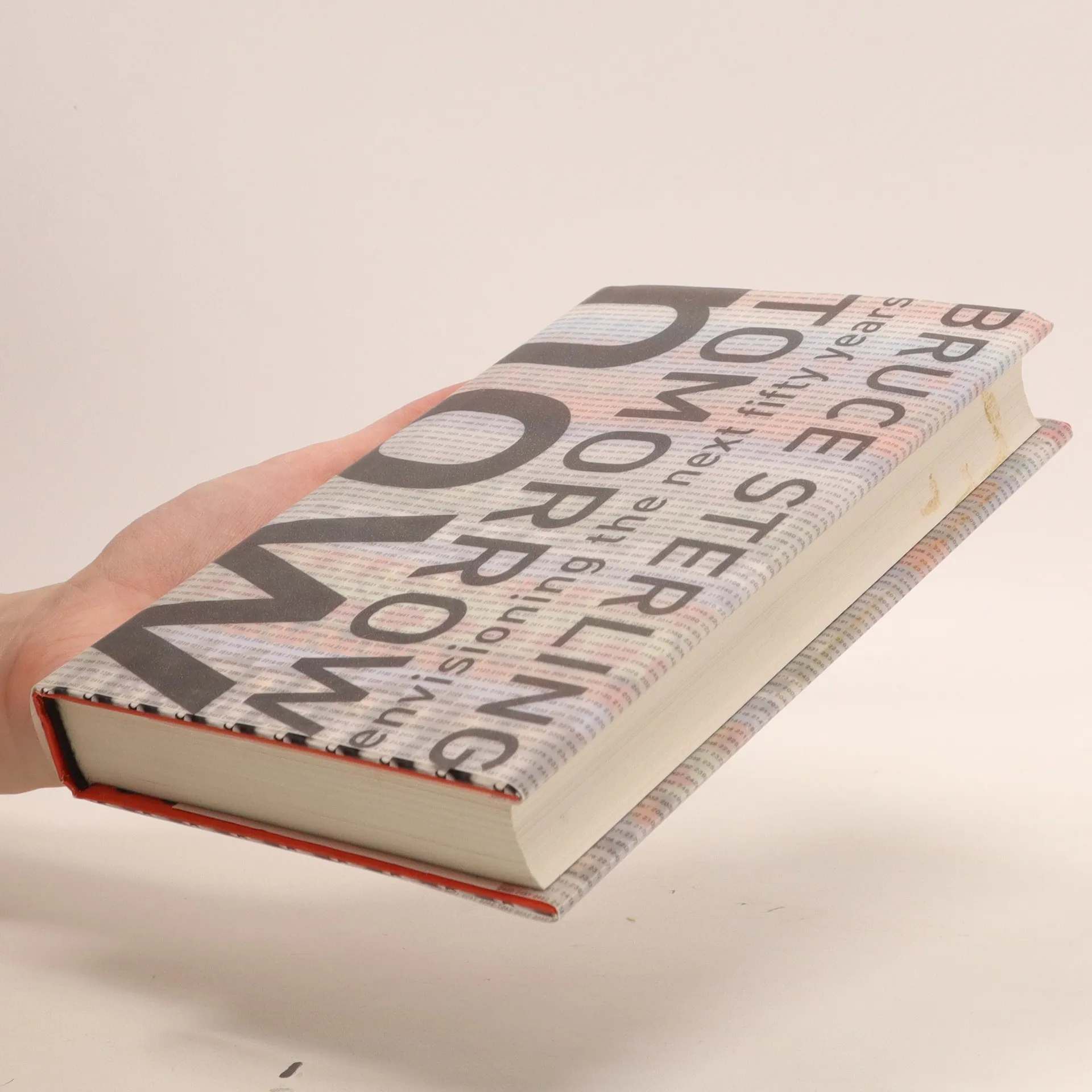
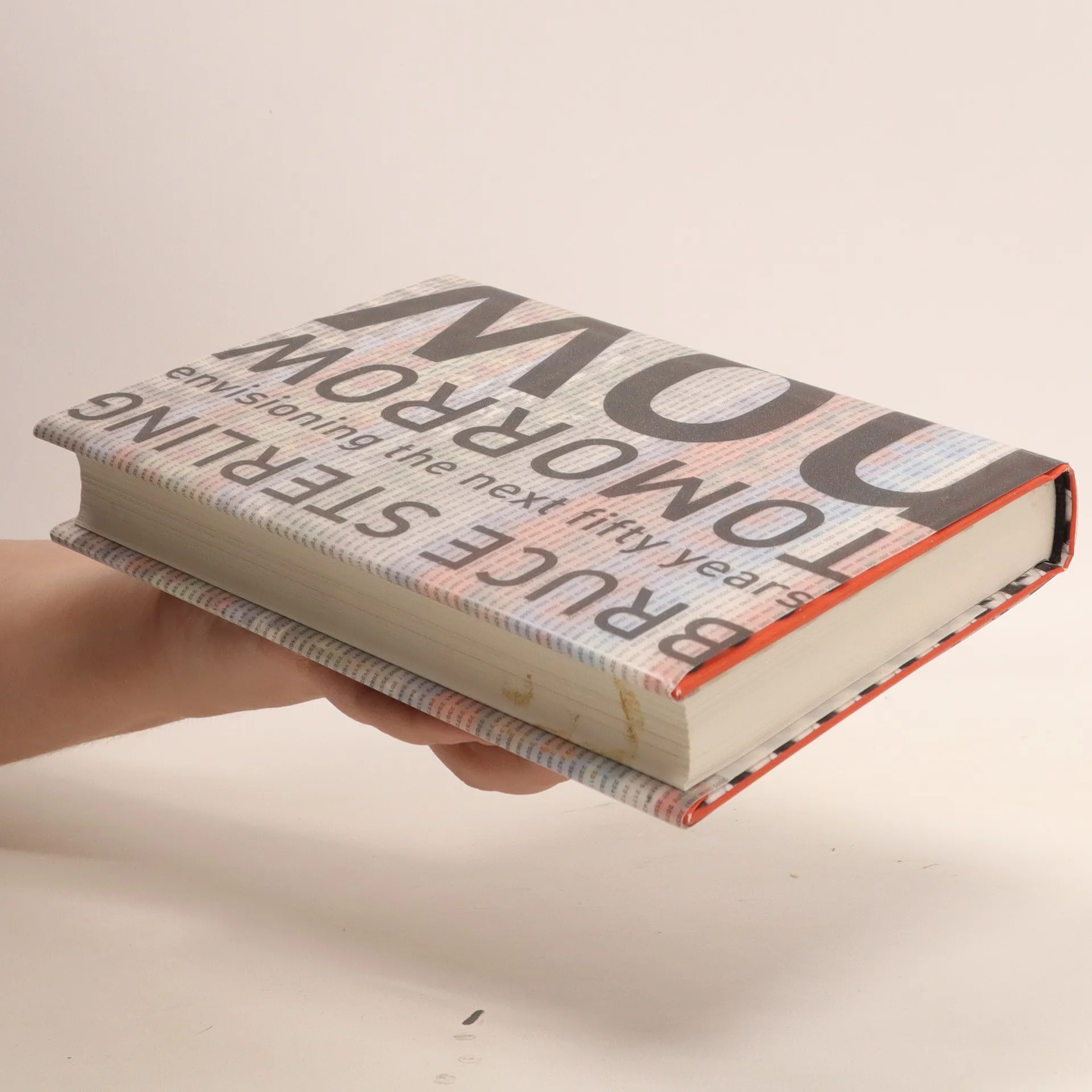
Tomorrow Now, Bruce Sterling
- Langue

- Année de publication
- 2002
- Reliure
- (rigide)
Modes de paiement
Il manque plus que ton avis ici.
- Titre
- Tomorrow Now
- Langue
- Anglais
- Auteurs
- Bruce Sterling
- Éditeur
- Random House Incorporated
- Publié
- 2002
- Format
- rigide
- Pages
- 352
- ISBN10
- 0679463224
- ISBN13
- 9780679463221
- Séries
- Mots clés
- Fiction, Histoires vraies, Science-fiction, Politique, Science, Technologie, Presse d'opinion & Essais, Cyberpunk
- Évaluation
- 3,8 sur 5
- Description
- The current generation is destined to see a world that will be completely different from our own. Making a true leap into the future, renowned science fiction writer Bruce Sterling discusses how the world will change in the next fifty years. Using a well-known monologue by Shakespeare as a foundation, Sterling dedicates each chapter of his book to one of the seven scenes in the drama of human life: childhood, school, love, war, politics, work, and old age. Examining the issue from multiple angles, Sterling shares his witty and unexpected observations about the role of biotechnology, information networks, the military, advanced technologies, and much more in the emergence of posthumanity. He also analyzes the works of other futurists (Kevin Kelly, Lawrence Lessig, and Stewart Brand) and introduces readers to political movements that could provoke future wars. Simultaneously, the writer addresses many pressing contemporary issues, including genetic research, global warming, and bioterrorism.