

En savoir plus sur le livre
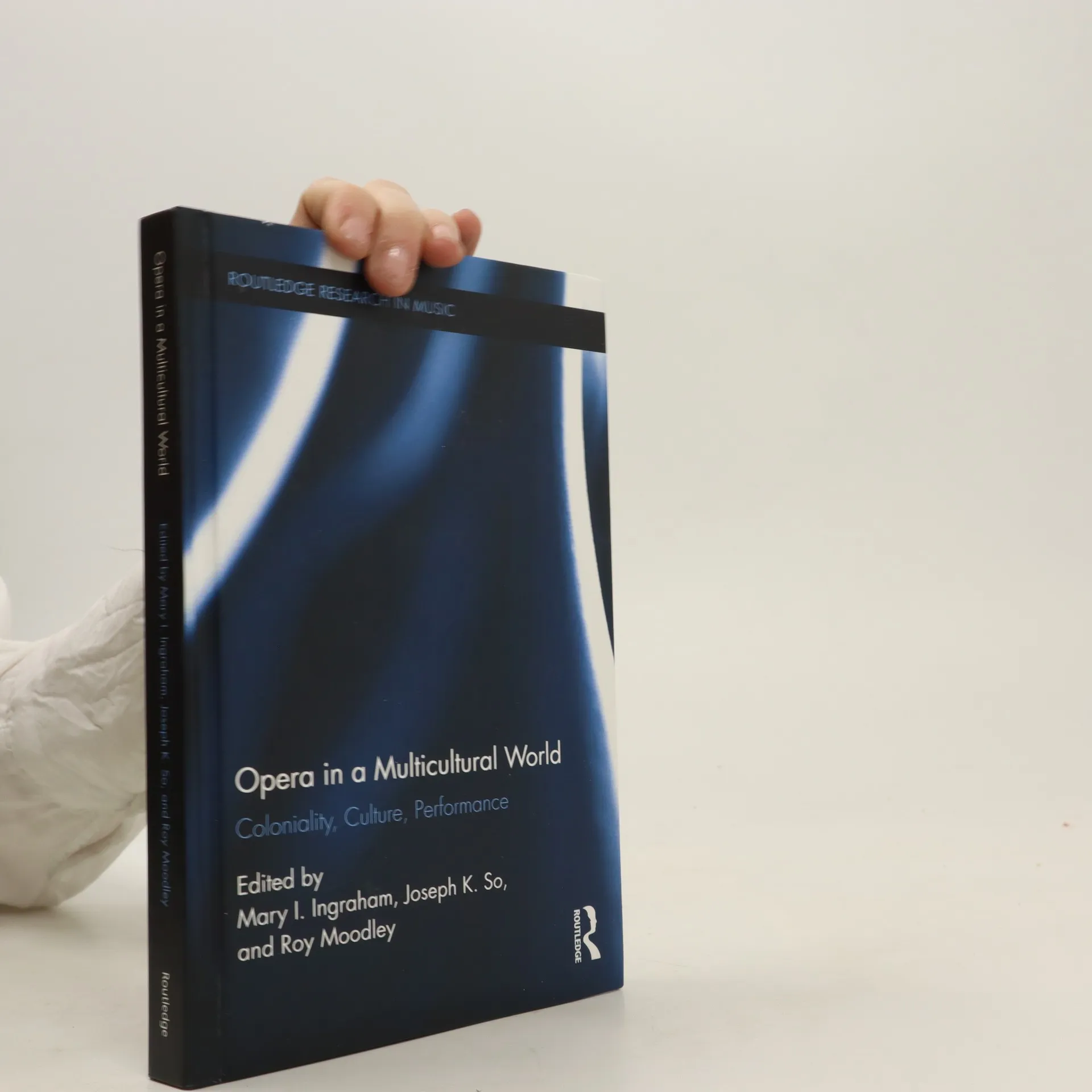
Through historical and contemporary examples, this book critically explores the relevance and expressions of multicultural representation in western European operatic genres in the modern world. It reveals their approaches to reflecting identity, transmitting meaning, and inspiring creation, as well as the ambiguities and contradictions that occur across the time and place(s) of their performance. This collection brings academic researchers in opera studies into conversation with previously unheard voices of performers, critics, and creators to speak to issues of race, ethnicity, and culture in the genre. Together, they deliver a powerful critique of the perpetuation of the values and practices of dominant cultures in operatic representations of intercultural encounters. Essays accordingly cross methodological boundaries in order to focus on a central issue in the emerging field of coloniality: the hierarchies of social and political power that include the legacy of racialized practices
Achat du livre
Opera in a Multicultural World, Roy Moodley, Joseph So, Mary Ingraham
- Langue

- Année de publication
- 2015
- Reliure
- (rigide)
Modes de paiement
Personne n'a encore évalué .
- Titre
- Opera in a Multicultural World
- Langue
- Anglais
- Auteurs
- Roy Moodley, Joseph So, Mary Ingraham
- Éditeur
- Routledge
- Publié
- 2015
- Format
- rigide
- Pages
- 278
- ISBN10
- 113890502X
- ISBN13
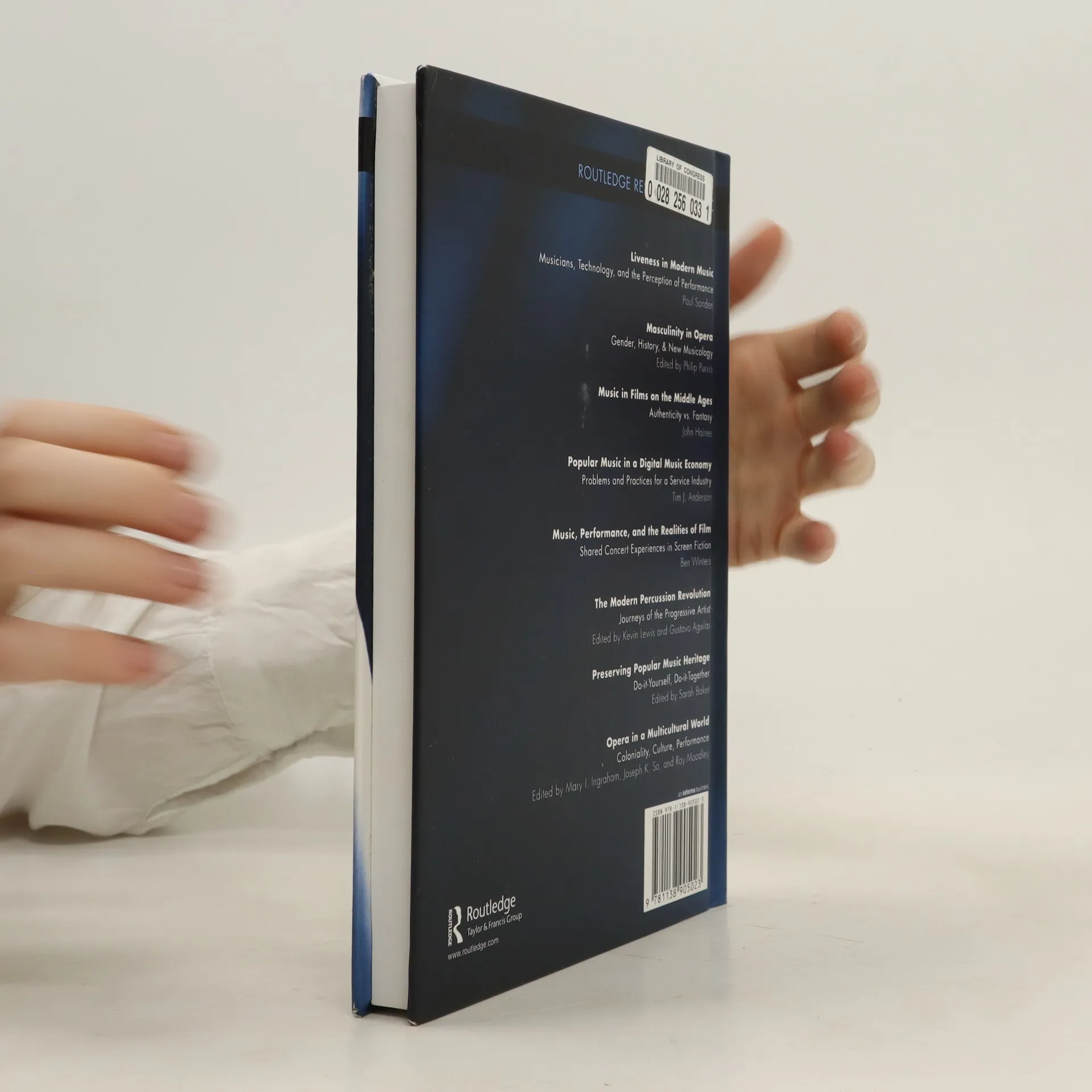
- 9781138905023
- Séries
- Catégories
- Mots clés
- Thématique musicale
- Description
- Through historical and contemporary examples, this book critically explores the relevance and expressions of multicultural representation in western European operatic genres in the modern world. It reveals their approaches to reflecting identity, transmitting meaning, and inspiring creation, as well as the ambiguities and contradictions that occur across the time and place(s) of their performance. This collection brings academic researchers in opera studies into conversation with previously unheard voices of performers, critics, and creators to speak to issues of race, ethnicity, and culture in the genre. Together, they deliver a powerful critique of the perpetuation of the values and practices of dominant cultures in operatic representations of intercultural encounters. Essays accordingly cross methodological boundaries in order to focus on a central issue in the emerging field of coloniality: the hierarchies of social and political power that include the legacy of racialized practices