


En savoir plus sur le livre
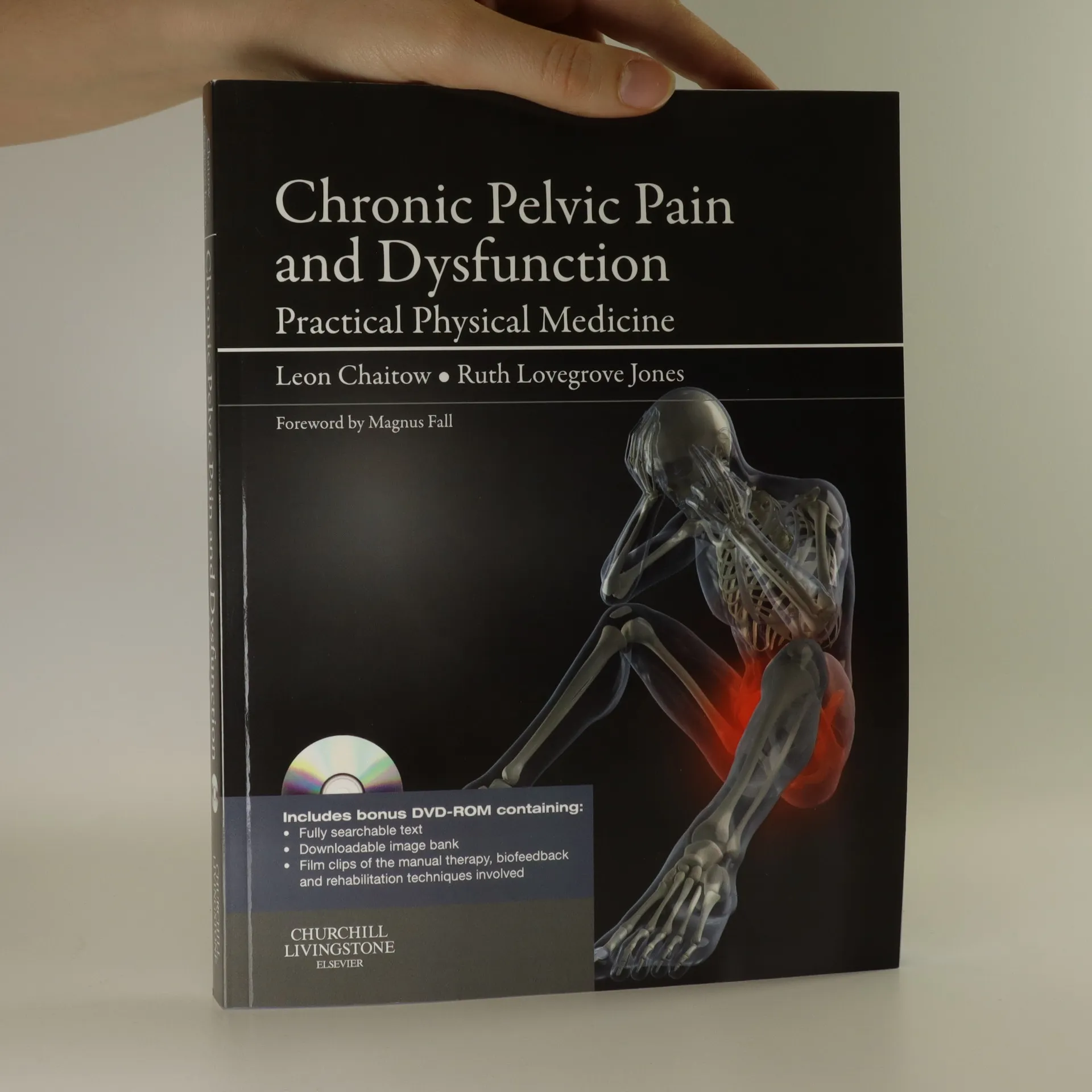
Chronic Pelvic Pain and Dysfunction: Practical Physical Medicine provides comprehensive coverage of pelvic pain and dysfunction. It includes clear anatomical descriptions relevant to pelvic pain and discusses the neurological basis of pain, emphasizing psychophysiology. The book explores physiological mechanisms for pain generation, musculoskeletal causes, and the impact of sports on chronic pelvic pain. It also examines how gender influences pelvic pain syndromes, considering factors like hormonal imbalance, pregnancy, and labor. Practitioners are guided through a clinical reasoning process to establish differential diagnoses of chronic pelvic pain and explore various therapeutic options. These include medical management, nutrition's role in controlling inflammation, breathing techniques for pain and anxiety relief, and biofeedback mechanisms in diagnosis and treatment. The text covers soft-tissue manipulation, pelvic floor manual therapy release techniques, osteopathic approaches, dry needling, electrotherapy, and hydrotherapy. This resource offers validated, clinically relevant information for practitioners and therapists in the field, emphasizing an integrated approach to patient care. An appendix includes recent guidelines on the condition's nature and the multiple aetiological and therapeutic models associated with it.
Achat du livre
Chronic pelvic pain and dysfunction, Collectif d'auteurs
- Langue

- Année de publication
- 2011
Modes de paiement
Personne n'a encore évalué .
- Titre
- Chronic pelvic pain and dysfunction
- Langue
- Anglais
- Auteurs
- Collectif d'auteurs
- Éditeur
- Churchill Livingstone
- Publié
- 2011
- Pages
- 544
- ISBN10
- 0702050431
- ISBN13
- 9780702050435
- Séries
- Catégories
- Mots clés
- Santé & Médecine
- Description
- Chronic Pelvic Pain and Dysfunction: Practical Physical Medicine provides comprehensive coverage of pelvic pain and dysfunction. It includes clear anatomical descriptions relevant to pelvic pain and discusses the neurological basis of pain, emphasizing psychophysiology. The book explores physiological mechanisms for pain generation, musculoskeletal causes, and the impact of sports on chronic pelvic pain. It also examines how gender influences pelvic pain syndromes, considering factors like hormonal imbalance, pregnancy, and labor. Practitioners are guided through a clinical reasoning process to establish differential diagnoses of chronic pelvic pain and explore various therapeutic options. These include medical management, nutrition's role in controlling inflammation, breathing techniques for pain and anxiety relief, and biofeedback mechanisms in diagnosis and treatment. The text covers soft-tissue manipulation, pelvic floor manual therapy release techniques, osteopathic approaches, dry needling, electrotherapy, and hydrotherapy. This resource offers validated, clinically relevant information for practitioners and therapists in the field, emphasizing an integrated approach to patient care. An appendix includes recent guidelines on the condition's nature and the multiple aetiological and therapeutic models associated with it.