

Épuisé, mais très demandé!


Vous l'avez dans votre bibliothèque ?Gagnez de l'argent entre 0,85 € et 1,81 € en vendant ce livre.
Vendre des livresEn savoir plus sur le livre
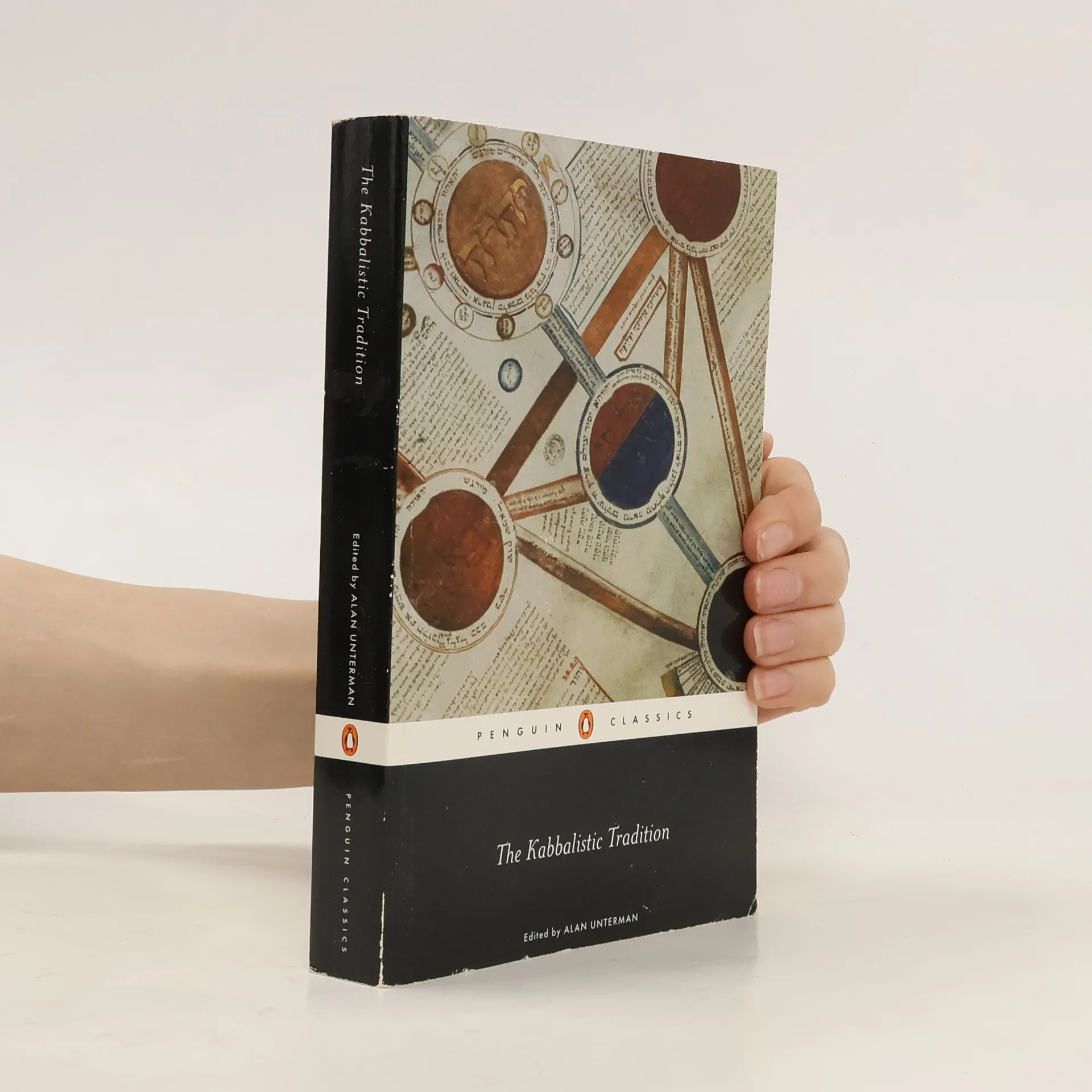
A comprehensive survey of the Jewish mystical tradition An indispensable guide to thousands of years of spiritual inquiry, The Kabbalistic Tradition features writings from a variety of literary forms-from the earliest biblical sources through twentieth-century studies-as well as practical information and practices for the modern reader. These selections concentrate on the three main areas of Kabbalistic creativity-the literature of Zohar, the Lurianic corpus, and the Chasidic mystical tradition. Alan Unterman's enlightening introduction examines the unique characteristics of the Kabbalah and places this volume in its proper historical and philosophical context.
Achat du livre
The Kabbalistic Tradition, Alan Unterman
- Langue

- Année de publication
- 2009
- Reliure
- (souple)
Nous vous informerons par e-mail dès que nous l’aurons retrouvé.
Modes de paiement
3,9
Très bien
52 Évaluations
Il manque plus que ton avis ici.
- Titre
- The Kabbalistic Tradition
- Langue
- Anglais
- Auteurs
- Alan Unterman
- Éditeur
- National Geographic
- Publié
- 2009
- Format
- souple
- Pages
- 382
- ISBN10
- 0140437991
- ISBN13
- 9780140437997
- Séries
- Évaluation
- 3,85 sur 5
- Description
- A comprehensive survey of the Jewish mystical tradition An indispensable guide to thousands of years of spiritual inquiry, The Kabbalistic Tradition features writings from a variety of literary forms-from the earliest biblical sources through twentieth-century studies-as well as practical information and practices for the modern reader. These selections concentrate on the three main areas of Kabbalistic creativity-the literature of Zohar, the Lurianic corpus, and the Chasidic mystical tradition. Alan Unterman's enlightening introduction examines the unique characteristics of the Kabbalah and places this volume in its proper historical and philosophical context.