


Inventing medieval Czechoslovakia 1918-1968 : between Slavs, Germans, and totalitarian regimes
Auteurs
Évaluation du livre
En savoir plus sur le livre
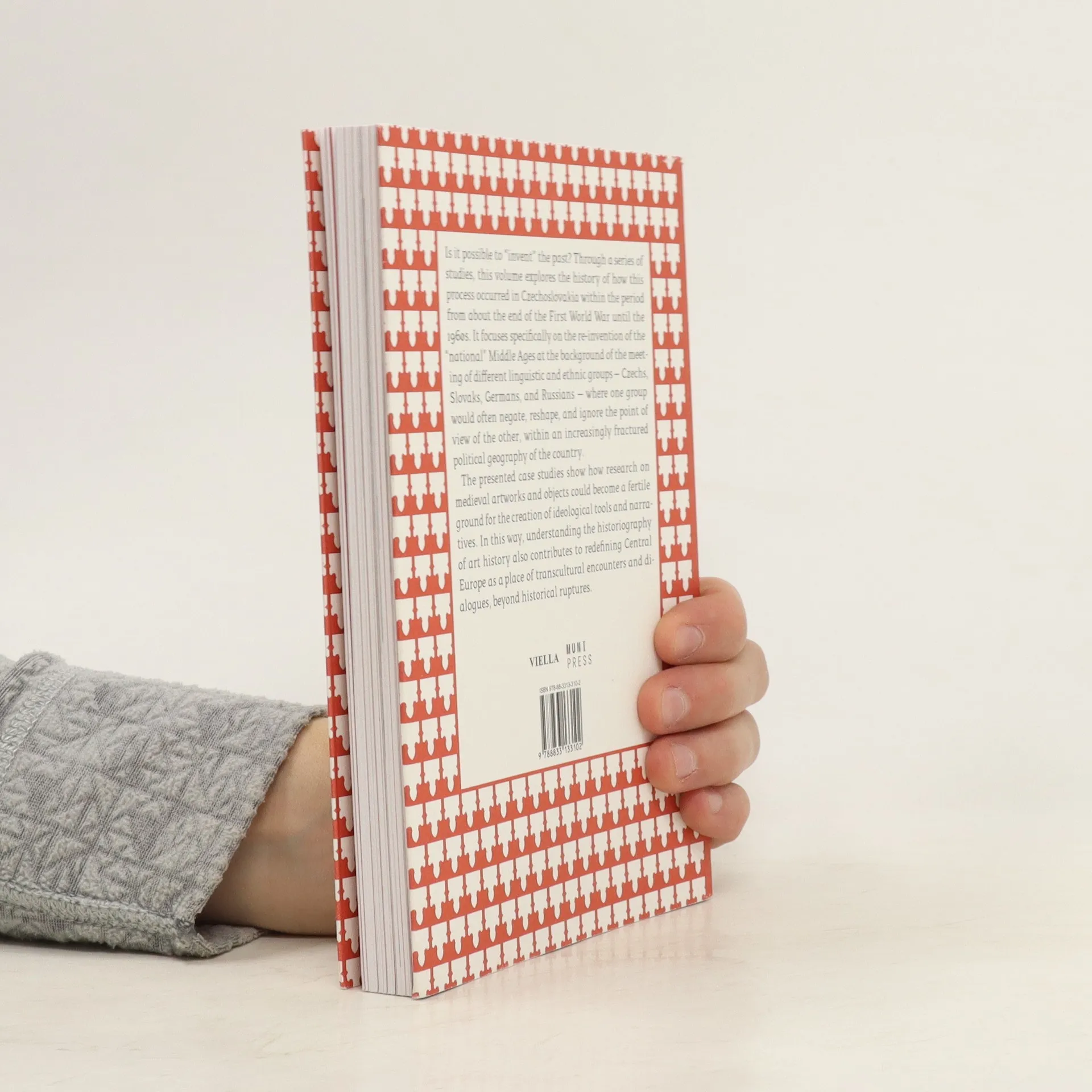
Is it possible to "invent" the past? Through a series of studies, this volume explores the history of how this process occurred in Czechoslovakia within the period from about the end of the First World War until the 1960s. It focuses specifically on the re-invention of the "national" Middle Ages at the background of the meeting of different linguistic and ethnic groups - Czechs, Slovaks, Germans, and Russians - where one group would often negate, reshape, and ignore the point of view of the other, within an increasingly fractured political geography of the country. The presented case studies show how research on medieval artworks and objects could become a fertile ground for the creation of ideological tools and narratives. In this way, understanding the historiography of art history also contributes to redefining Central Europe as a place of transcultural encounters and dialogues, beyond historical ruptures.
Achat du livre
Inventing medieval Czechoslovakia 1918-1968 : between Slavs, Germans, and totalitarian regimes, Ivan Foletti, Adrien Palladino
- Langue

- Année de publication
- 2019
- Reliure
- (rigide)
Modes de paiement
Il manque plus que ton avis ici.
- Titre
- Inventing medieval Czechoslovakia 1918-1968 : between Slavs, Germans, and totalitarian regimes
- Langue
- Anglais
- Auteurs
- Ivan Foletti, Adrien Palladino
- Publié
- 2019
- Format
- rigide
- Pages
- 200
- ISBN10
- 8833133109
- ISBN13
- 9788833133102
- Séries
- Mots clés
- Thème historique, Histoire tchèque & slovaque
- Évaluation
- 4 sur 5
- Description
- Is it possible to "invent" the past? Through a series of studies, this volume explores the history of how this process occurred in Czechoslovakia within the period from about the end of the First World War until the 1960s. It focuses specifically on the re-invention of the "national" Middle Ages at the background of the meeting of different linguistic and ethnic groups - Czechs, Slovaks, Germans, and Russians - where one group would often negate, reshape, and ignore the point of view of the other, within an increasingly fractured political geography of the country. The presented case studies show how research on medieval artworks and objects could become a fertile ground for the creation of ideological tools and narratives. In this way, understanding the historiography of art history also contributes to redefining Central Europe as a place of transcultural encounters and dialogues, beyond historical ruptures.