

En savoir plus sur le livre
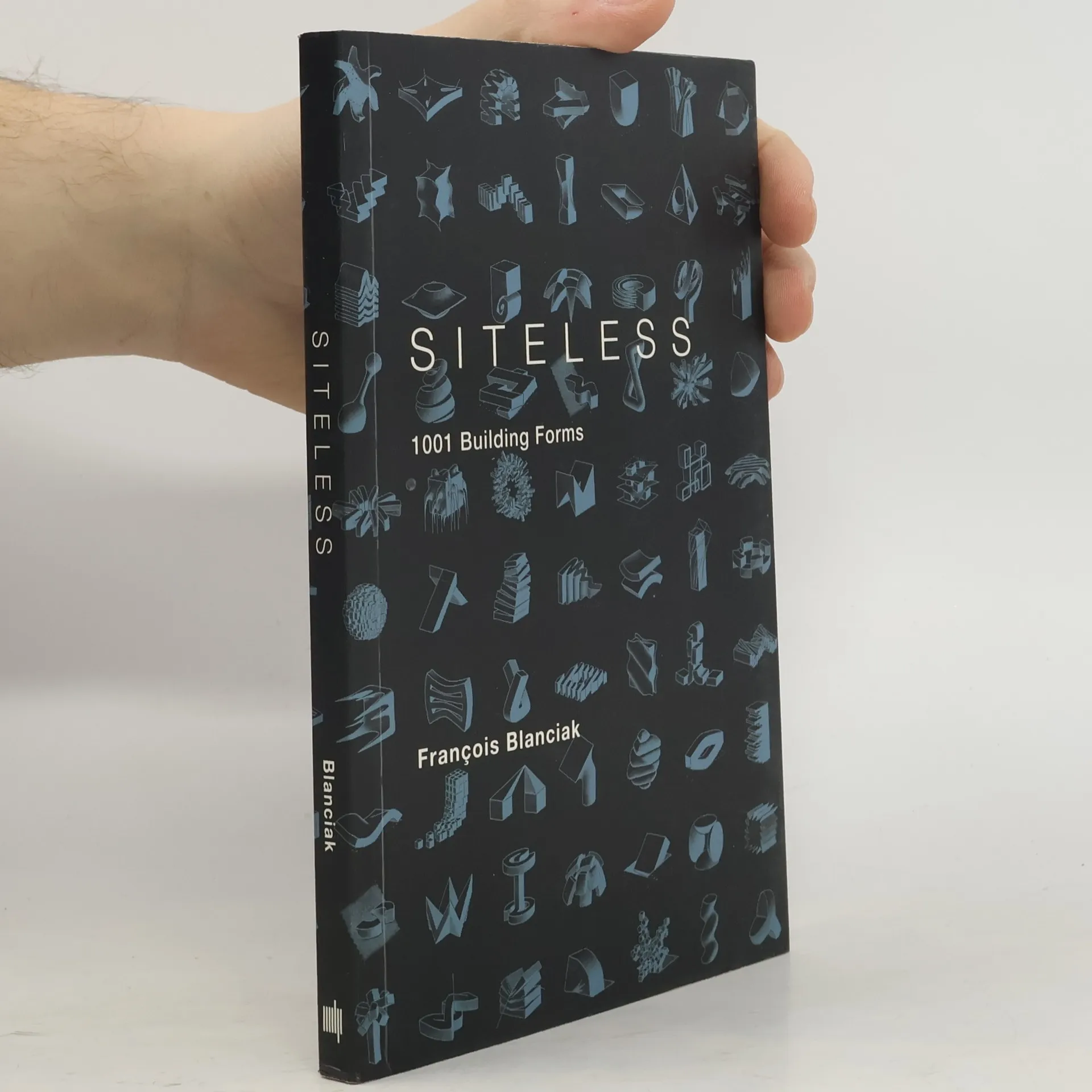
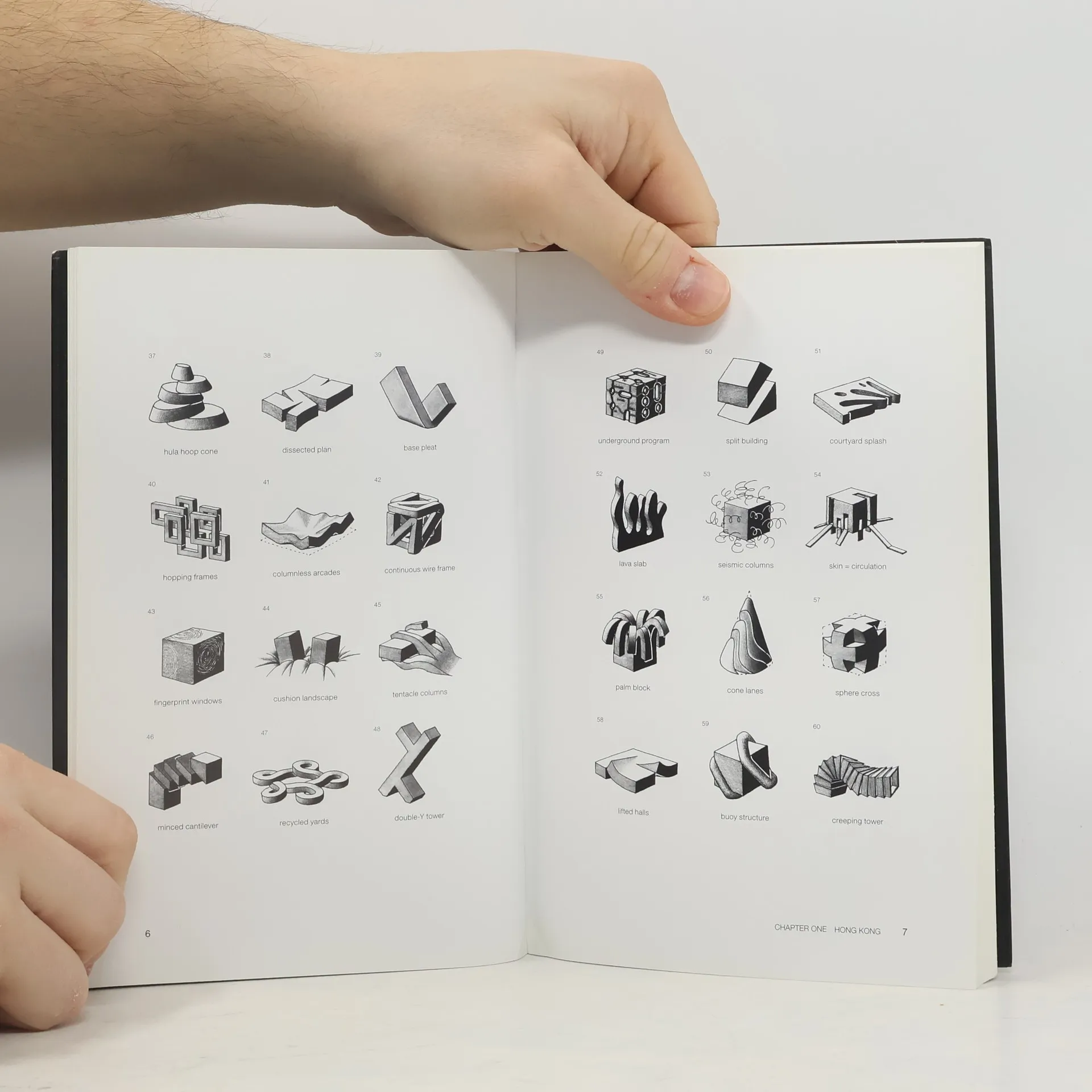
Some may call it the first manifesto of the twenty-first century, for it lays down a new way to think about architecture. Others may think of it as the last architectural treatise, for it provides a discursive container for ideas that would otherwise be lost. Whatever genre it belongs to, SITELESS is a new kind of architecture book that seems to have come out of nowhere. Its author, a young French architect practicing in Tokyo, admits he "didn't do this out of reverence toward architecture, but rather out of a profound boredom with the discipline, as a sort of compulsive reaction." What would happen, he asks, if architects liberated their minds from the constraints of site, program, and budget? The result is a book that is saturated with forms, and as free of words as any architecture book the MIT Press has ever published
Achat du livre
Siteless: 1001 Building Forms, François Blanciak
- Langue

- Année de publication
- 2008
- Reliure
- (souple)
Modes de paiement
Il manque plus que ton avis ici.
- Titre
- Siteless: 1001 Building Forms
- Langue
- Anglais
- Auteurs
- François Blanciak
- Éditeur
- MIT Press
- Publié
- 2008
- Format
- souple
- Pages
- 128
- ISBN10
- 0262026309
- ISBN13
- 9780262026307
- Séries
- Mots clés
- Art, Architecture
- Évaluation
- 4 sur 5
- Description
- Some may call it the first manifesto of the twenty-first century, for it lays down a new way to think about architecture. Others may think of it as the last architectural treatise, for it provides a discursive container for ideas that would otherwise be lost. Whatever genre it belongs to, SITELESS is a new kind of architecture book that seems to have come out of nowhere. Its author, a young French architect practicing in Tokyo, admits he "didn't do this out of reverence toward architecture, but rather out of a profound boredom with the discipline, as a sort of compulsive reaction." What would happen, he asks, if architects liberated their minds from the constraints of site, program, and budget? The result is a book that is saturated with forms, and as free of words as any architecture book the MIT Press has ever published