

Paramètres
En savoir plus sur le livre
"One of the most lively and provocative interpretive studies of the major events in recent American diplomatic history." -American Historical Review Since it first appeared in 1971, Rise to Globalism has sold hundreds of thousands of copies. The ninth edition of this classic survey, now updated through the administration of George W. Bush, offers a concise and informative overview of the evolution of American foreign policy from 1938 to the present, focusing on such pivotal events as World War II, the Cuban Missile Crisis, Vietnam, and 9/11. Examining everything from the Iran-Contra scandal to the rise of international terrorism, the authors analyze-in light of the enormous global power of the United States-how American economic aggressiveness, racism, and fear of Communism have shaped the nation's evolving foreign policy.
Achat du livre
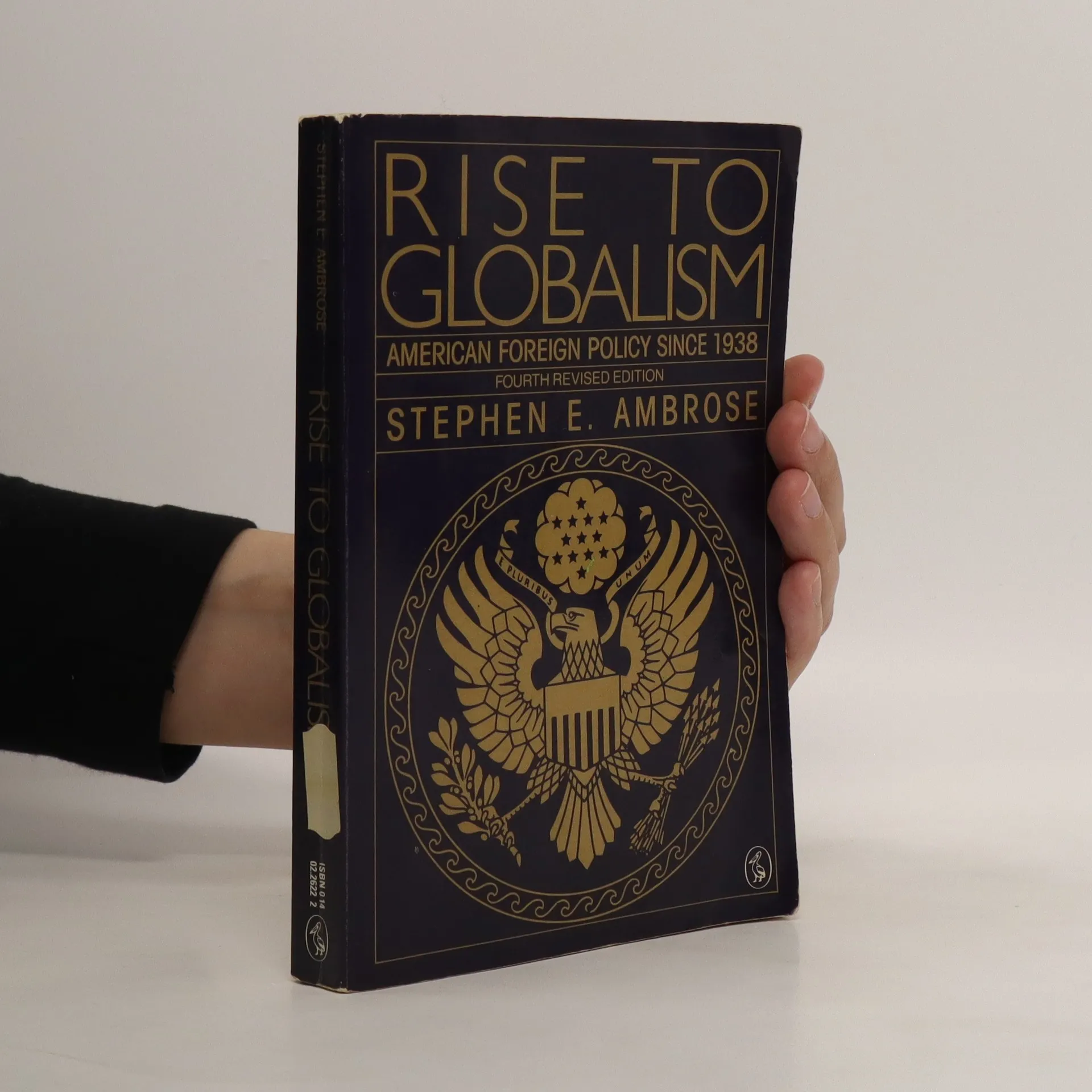
Rise to globalism : American foreign policy since 1938, Stephen E Ambrose
- Langue

- Année de publication
- 1985
- Reliure
- (souple)
Modes de paiement
Il manque plus que ton avis ici.
- Titre
- Rise to globalism : American foreign policy since 1938
- Langue
- Anglais
- Auteurs
- Stephen E Ambrose
- Éditeur
- Penguin
- Publié
- 1985
- Format
- souple
- ISBN10
- 0140226222
- ISBN13
- 9780140226225
- Séries
- Catégories
- Évaluation
- 3,6 sur 5
- Description
- "One of the most lively and provocative interpretive studies of the major events in recent American diplomatic history." -American Historical Review Since it first appeared in 1971, Rise to Globalism has sold hundreds of thousands of copies. The ninth edition of this classic survey, now updated through the administration of George W. Bush, offers a concise and informative overview of the evolution of American foreign policy from 1938 to the present, focusing on such pivotal events as World War II, the Cuban Missile Crisis, Vietnam, and 9/11. Examining everything from the Iran-Contra scandal to the rise of international terrorism, the authors analyze-in light of the enormous global power of the United States-how American economic aggressiveness, racism, and fear of Communism have shaped the nation's evolving foreign policy.