

En savoir plus sur le livre
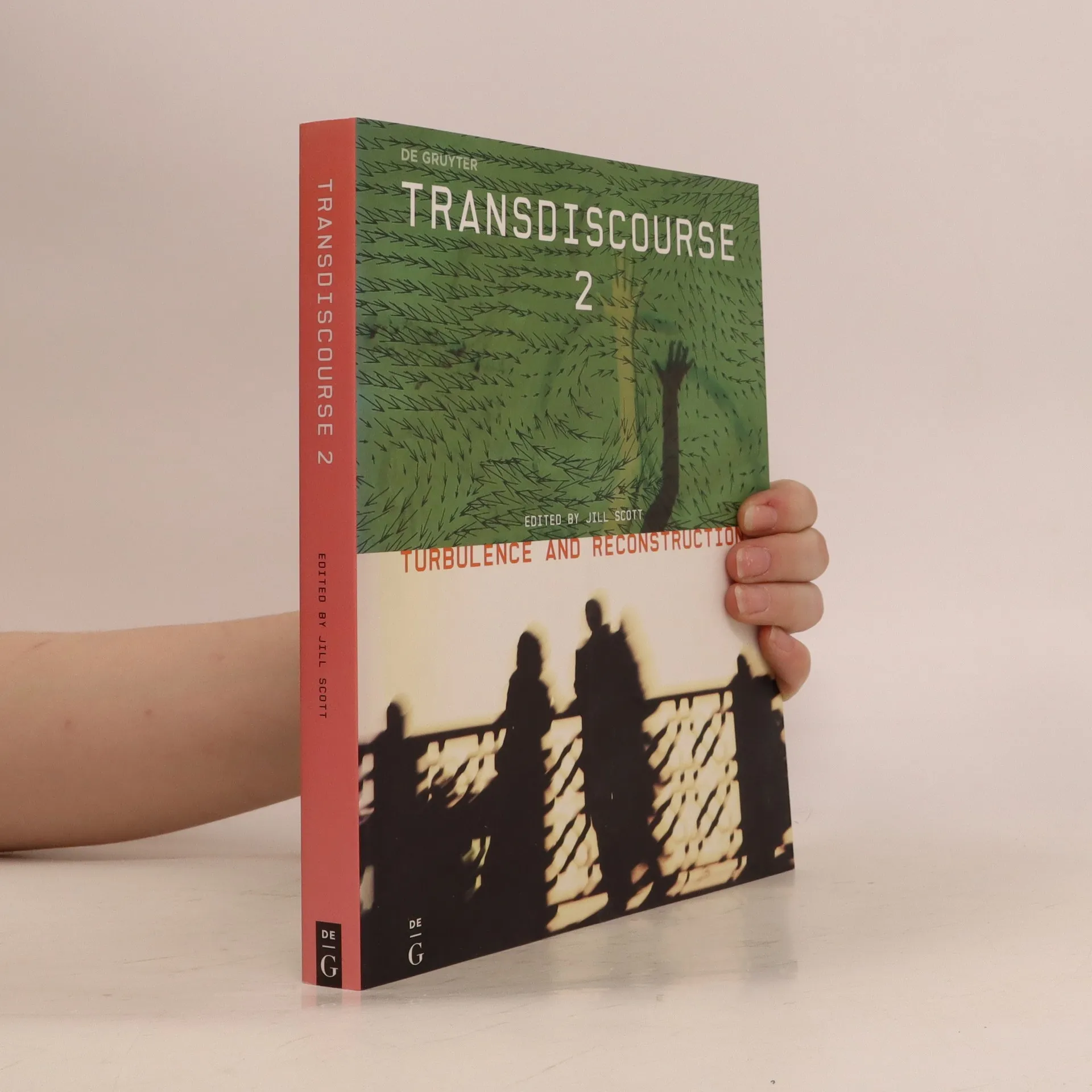
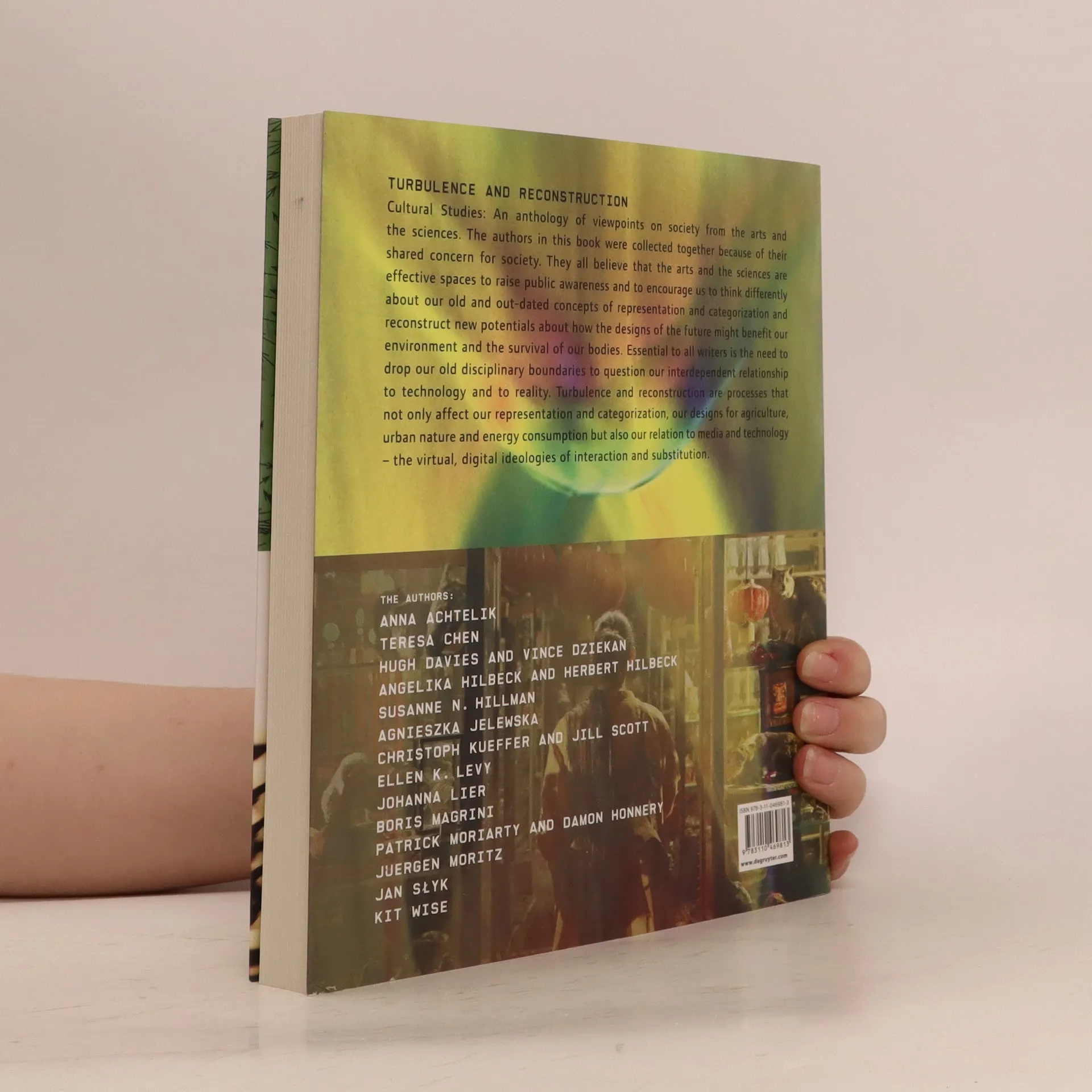
Turbulence and Reconstruction is an anthology of viewpoints on society from the arts and the sciences. The authors believe that the arts and the sciences are effective spaces to encourage us to think differently about our outdated concepts of representation and categorization and reconstruct new potentials about how the designs of the future might benefit our environment and the survival of our bodies. Essential to all writers is the need to drop our old disciplinary boundaries to question our interdependent relationship to technology and to reality. Turbulence and reconstruction are processes that not only affect our representation and categorization, urban nature and energy consumption but also our relation to media and technology – the digital ideologies of interaction and substitution.
Achat du livre
Turbulence and reconstruction, Jill Scott
- Langue

- Année de publication
- 2016
- Reliure
- (souple)
Modes de paiement
Personne n'a encore évalué .
- Titre
- Turbulence and reconstruction
- Langue
- Anglais
- Auteurs
- Jill Scott
- Éditeur
- De Gruyter
- Publié
- 2016
- Format
- souple
- Pages
- 240
- ISBN10
- 3110469812
- ISBN13
- 9783110469813
- Séries
- Catégories
- Mots clés
- Description
- Turbulence and Reconstruction is an anthology of viewpoints on society from the arts and the sciences. The authors believe that the arts and the sciences are effective spaces to encourage us to think differently about our outdated concepts of representation and categorization and reconstruct new potentials about how the designs of the future might benefit our environment and the survival of our bodies. Essential to all writers is the need to drop our old disciplinary boundaries to question our interdependent relationship to technology and to reality. Turbulence and reconstruction are processes that not only affect our representation and categorization, urban nature and energy consumption but also our relation to media and technology – the digital ideologies of interaction and substitution.