

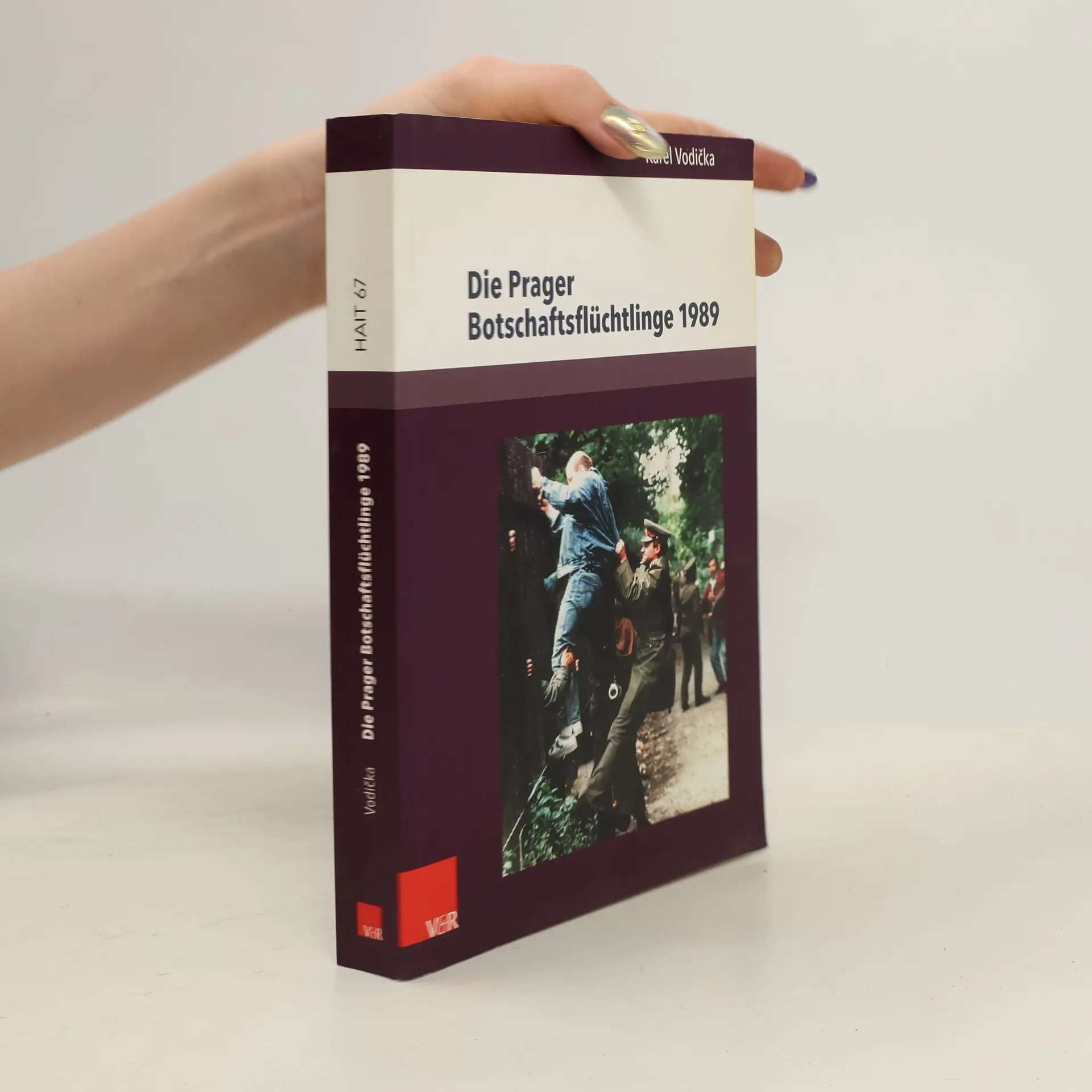
Die Prager Botschaftsflüchtlinge 1989
Auteurs
Paramètres
En savoir plus sur le livre
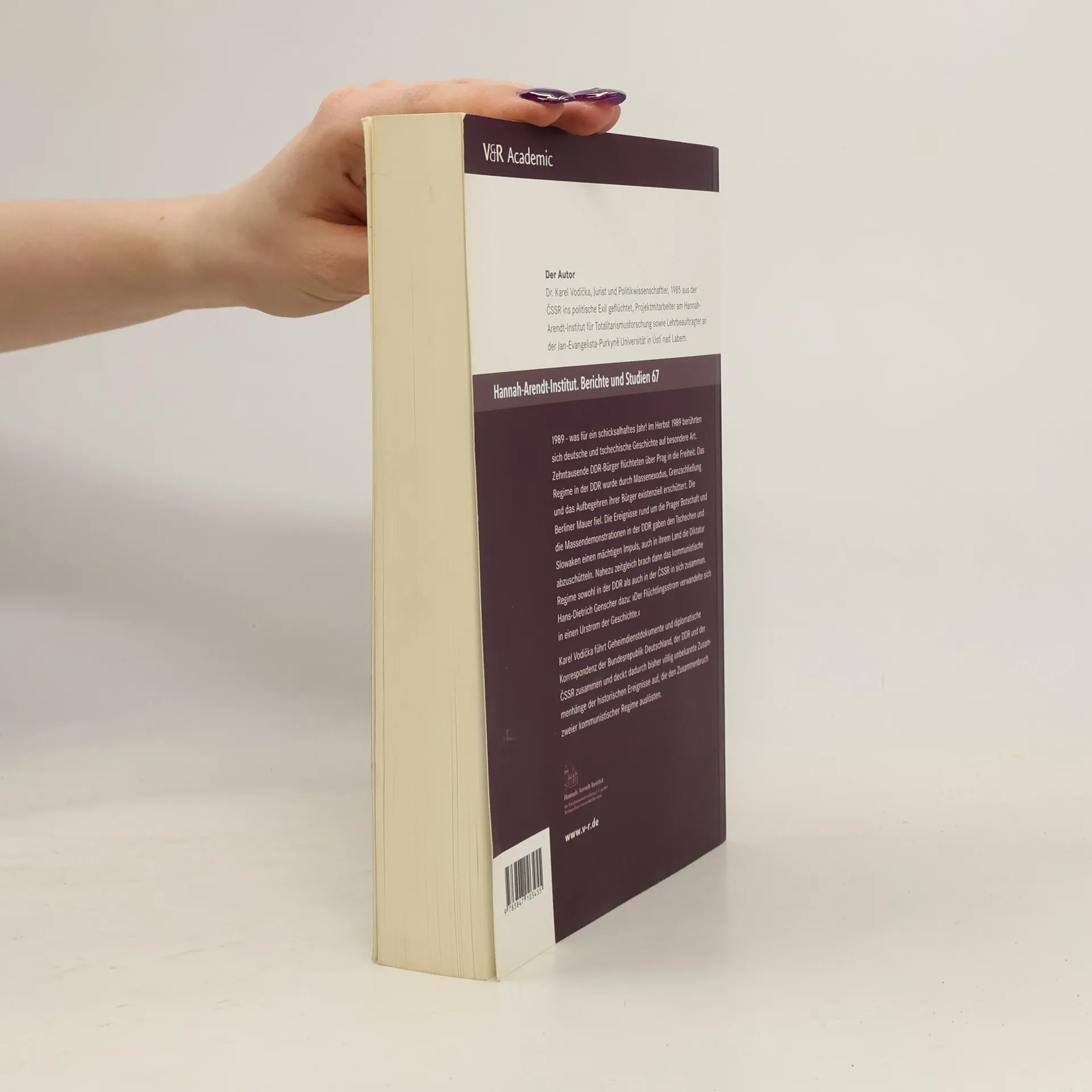
1989 – what a fateful year! In the autumn of 1989 Czech and German history touched each other in a very special way. Tens of thousands of East German citizens fled to freedom through Prague. The very existence of the East German regime was undermined by mass exodus, the closing of borders and civil unrest. Finally, the Berlin Wall fell. But even prior to this, events around the West German embassy in Prague and the mass protests in East Germany gave Czechs and Slovaks the decisive impetus to shake off their own regime. Almost at the same time as the East German regime, the communist dictatorship in Czechoslovakia collapsed. Karel Vodička meticulously reconstructs the events in West and East Germany and in the CSSR during those turbulent weeks that ultimately led to the collapse of two communist regimes. He thereby makes use of sources of East and West German as well as Czechoslovakian origin, which provides completely new insights into the ambivalent relations between Prague and East Berlin in the last months of their rule.
Achat du livre
Die Prager Botschaftsflüchtlinge 1989, Karel Vodička
- Langue

- Année de publication
- 2014
- Reliure
- (souple)
Modes de paiement
Personne n'a encore évalué .
- Titre
- Die Prager Botschaftsflüchtlinge 1989
- Langue
- Allemand
- Auteurs
- Karel Vodička
- Éditeur
- V & R Unipress GmbH
- Publié
- 2014
- Format
- souple
- ISBN10
- 3847103458
- ISBN13
- 9783847103455
- Séries
- Mots clés
- Thème historique
- Description
- 1989 – what a fateful year! In the autumn of 1989 Czech and German history touched each other in a very special way. Tens of thousands of East German citizens fled to freedom through Prague. The very existence of the East German regime was undermined by mass exodus, the closing of borders and civil unrest. Finally, the Berlin Wall fell. But even prior to this, events around the West German embassy in Prague and the mass protests in East Germany gave Czechs and Slovaks the decisive impetus to shake off their own regime. Almost at the same time as the East German regime, the communist dictatorship in Czechoslovakia collapsed. Karel Vodička meticulously reconstructs the events in West and East Germany and in the CSSR during those turbulent weeks that ultimately led to the collapse of two communist regimes. He thereby makes use of sources of East and West German as well as Czechoslovakian origin, which provides completely new insights into the ambivalent relations between Prague and East Berlin in the last months of their rule.