

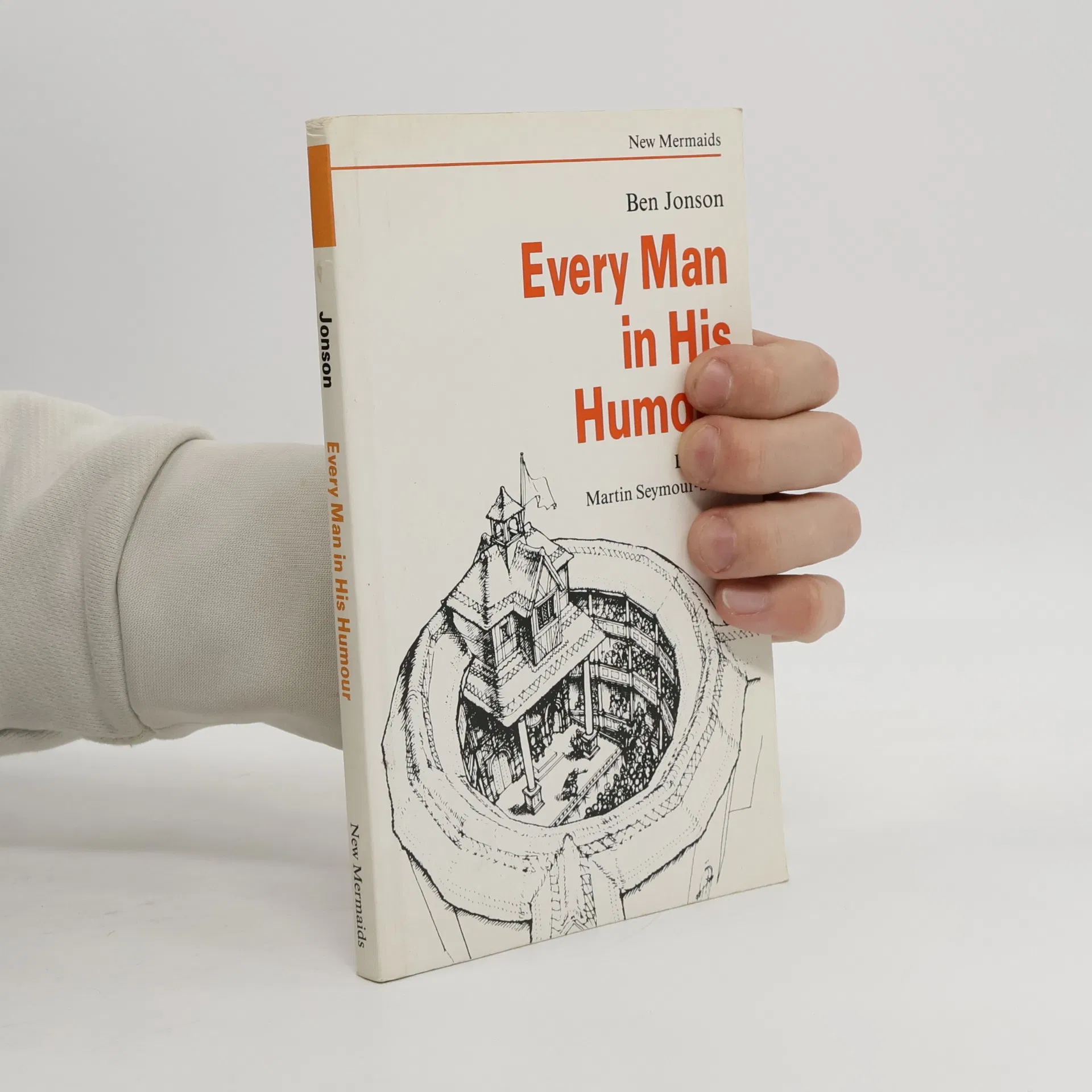
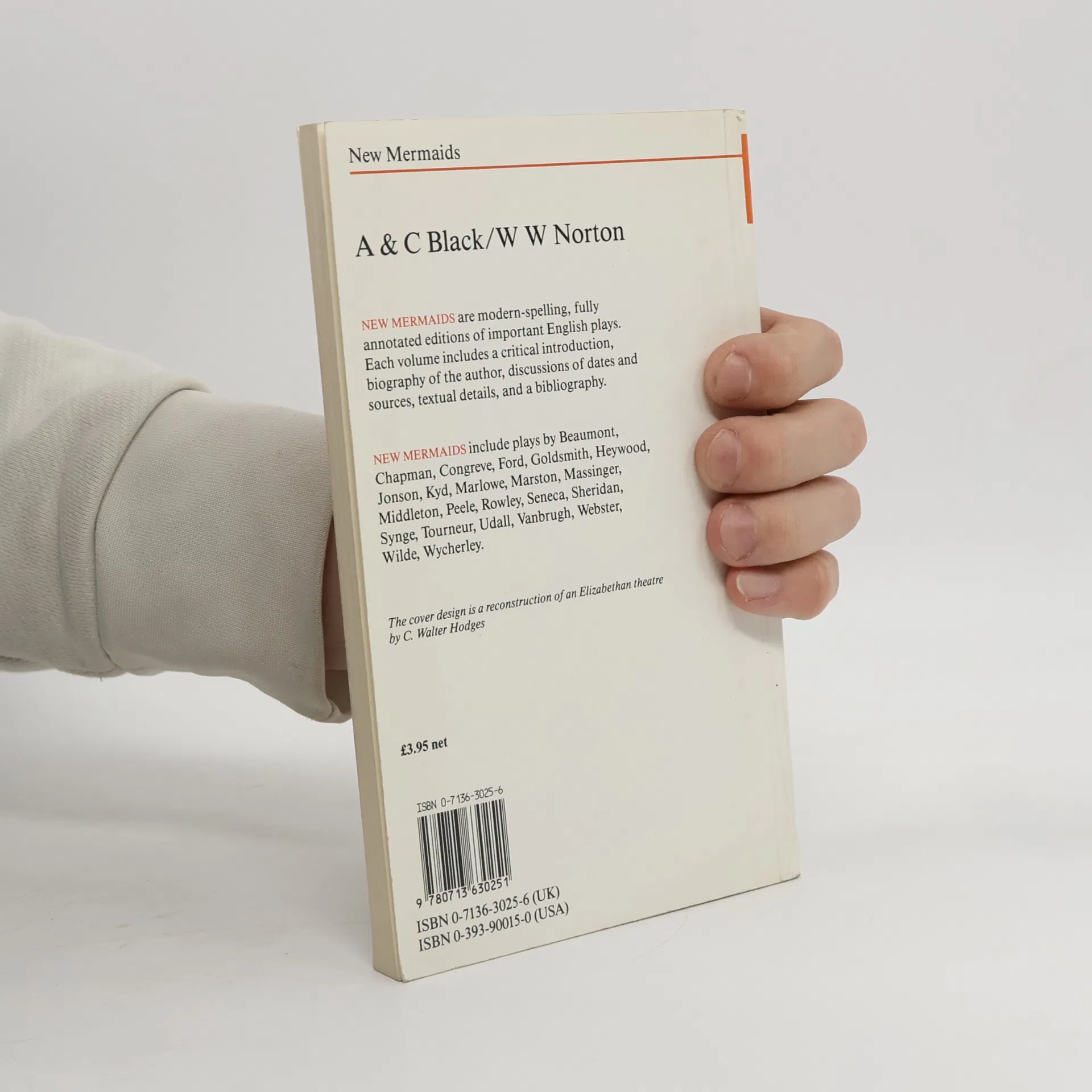
New Mermaids: Every Man in His Humour
En savoir plus sur le livre
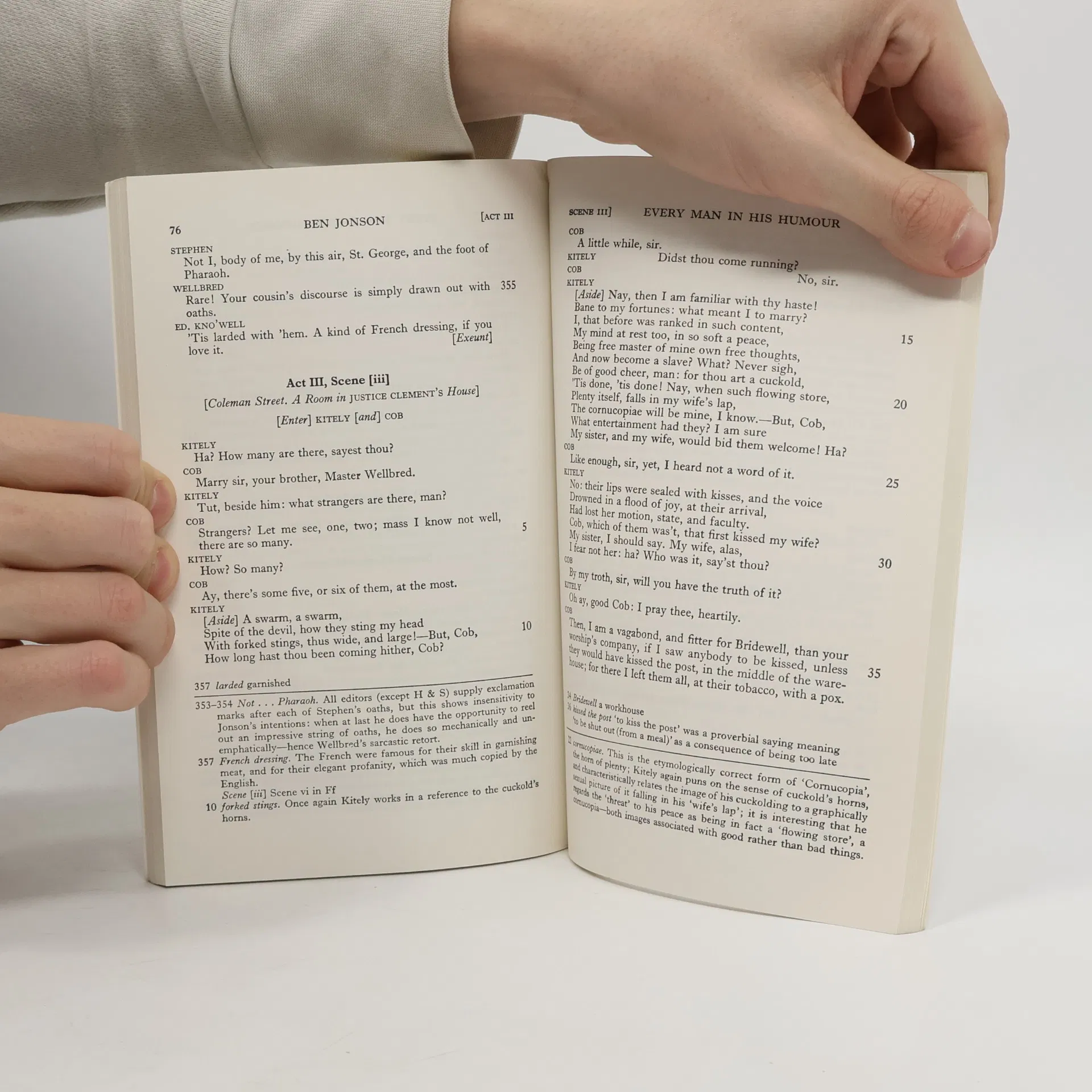
Like all of Jonson's city comedies, this play - here given in the 1616 Folio version, in which Jonson rewrote and set it in England, not Italy - is a kind of dramatised Do-It-Yourself kit on how to bluff one's way in Elizabethan London. Although Roman New Comedy, in which a crafty slave helps a wild youngster to marry the girl of his choice against his father's wishes, supplies Jonson with his basic plot, the world that he presents here is thoroughly contemporary and mundane. The characters' 'humours' - their driving obsessions - may vary, but all of them strive to represent something greater, nobler, cleverer than their real selves. The joke of the play, this editor suggests, is 'finally on all of us who unconsciously equate the universe with a story in which we play the hero'.
Achat du livre
New Mermaids: Every Man in His Humour, Martin Seymour-Smith, Ben Jonson
- Langue

- Année de publication
- 1988
- Reliure
- (souple),
- État du livre
- Bon
- Prix
- 9,39 €
Modes de paiement
Personne n'a encore évalué .
- Titre
- New Mermaids: Every Man in His Humour
- Langue
- Anglais
- Auteurs
- Martin Seymour-Smith, Ben Jonson
- Éditeur
- A&C Black
- Publié
- 1988
- Format
- souple
- Pages
- 126
- ISBN10
- 0713630256
- ISBN13
- 9780713630251
- Séries
- Catégories
- Mots clés
- Théâtre, Pièces de théâtre, Critique littéraire
- Description
- Like all of Jonson's city comedies, this play - here given in the 1616 Folio version, in which Jonson rewrote and set it in England, not Italy - is a kind of dramatised Do-It-Yourself kit on how to bluff one's way in Elizabethan London. Although Roman New Comedy, in which a crafty slave helps a wild youngster to marry the girl of his choice against his father's wishes, supplies Jonson with his basic plot, the world that he presents here is thoroughly contemporary and mundane. The characters' 'humours' - their driving obsessions - may vary, but all of them strive to represent something greater, nobler, cleverer than their real selves. The joke of the play, this editor suggests, is 'finally on all of us who unconsciously equate the universe with a story in which we play the hero'.