

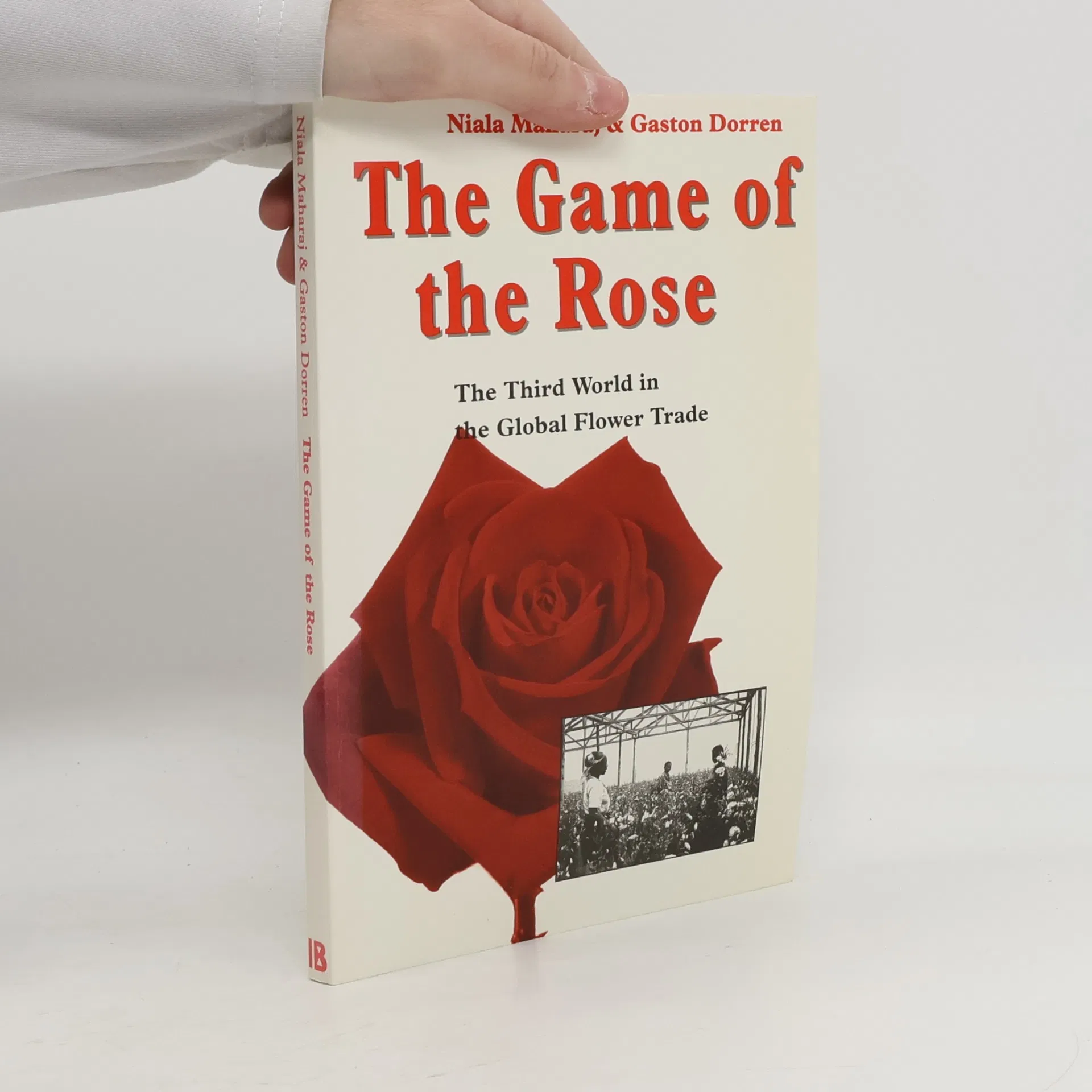
The Game of the Rose
The Third World in the Global Flower Trade
Auteurs
En savoir plus sur le livre
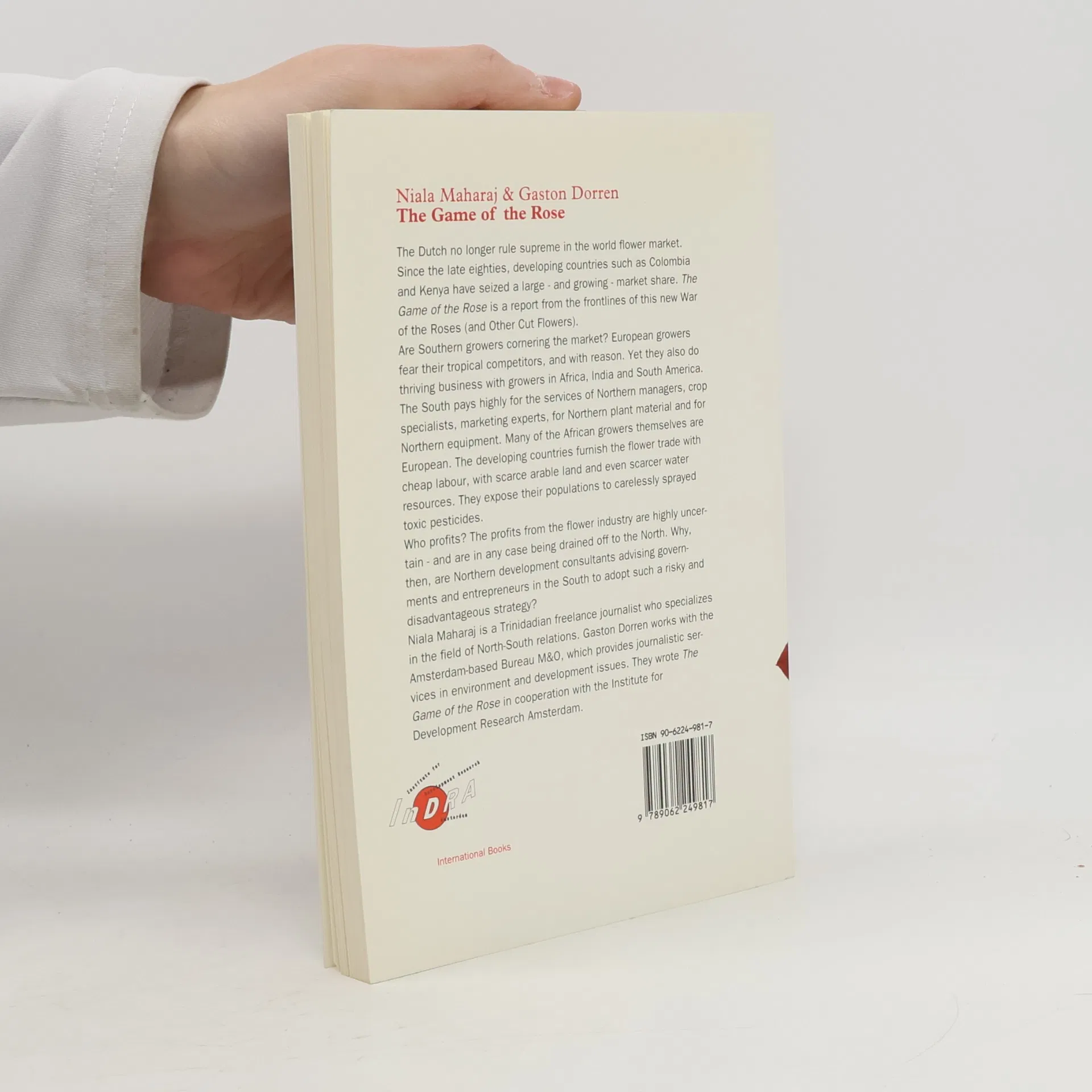
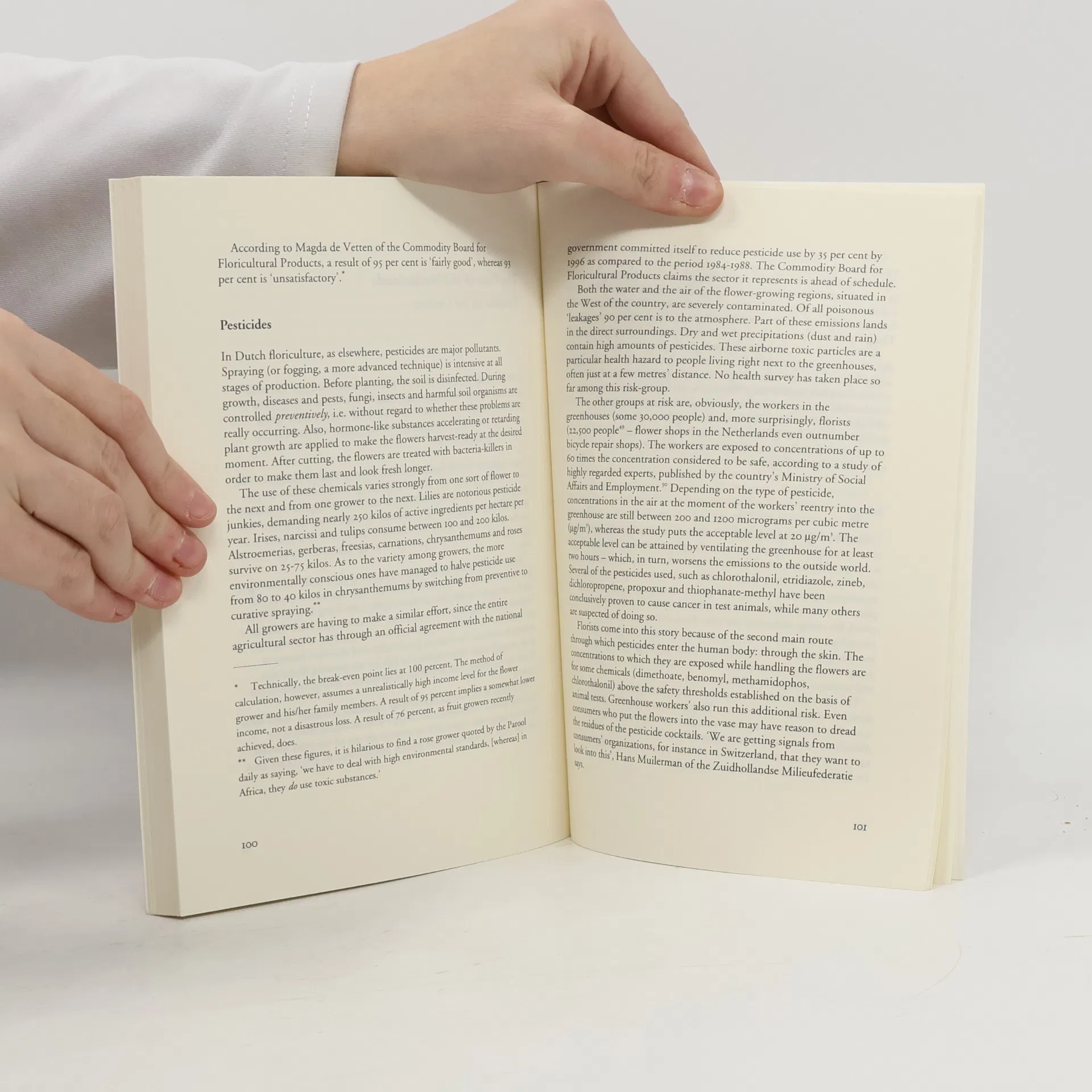
Recently, developing countries such as Colombia and Kenya have taken a large and growing share of the world market in cut flowers. Many Northern growers fear this competition. Yet what is really happening? Many of the African growers are themselves European. Developing countries pay dearly for managers, crop specialists and marketing experts from the North, as well as for plant material and machinery. They devote scarce land and often scarce water to the business, and provide cheap labour that is often exposed to toxic chemicals in a manner that would be illegal in Europe. Yet while profits from the trade are constantly being siphoned off to the North, development consultants from Europe are advising entrepreneurs and governments to undertake the strategy.
Achat du livre
The Game of the Rose, Gaston Dorren, Niala Maharaj
- Langue

- Année de publication
- 1995
- Reliure
- (souple),
- État du livre
- Très bon
- Prix
- 23,89 €
Modes de paiement
Personne n'a encore évalué .
- Titre
- The Game of the Rose
- Sous-titre
- The Third World in the Global Flower Trade
- Langue
- Anglais
- Auteurs
- Gaston Dorren, Niala Maharaj
- Éditeur
- International Books
- Publié
- 1995
- Format
- souple
- Pages
- 112
- ISBN10
- 9062249817
- ISBN13
- 9789062249817
- Séries
- Catégories
- Mots clés
- Politique, Afrique, Théories politiques, Inde, Pays-Bas, Globalisation, Amérique Latine, Kenya, Colombie, Pays en développement, Zimbabwe
- Description
- Recently, developing countries such as Colombia and Kenya have taken a large and growing share of the world market in cut flowers. Many Northern growers fear this competition. Yet what is really happening? Many of the African growers are themselves European. Developing countries pay dearly for managers, crop specialists and marketing experts from the North, as well as for plant material and machinery. They devote scarce land and often scarce water to the business, and provide cheap labour that is often exposed to toxic chemicals in a manner that would be illegal in Europe. Yet while profits from the trade are constantly being siphoned off to the North, development consultants from Europe are advising entrepreneurs and governments to undertake the strategy.