

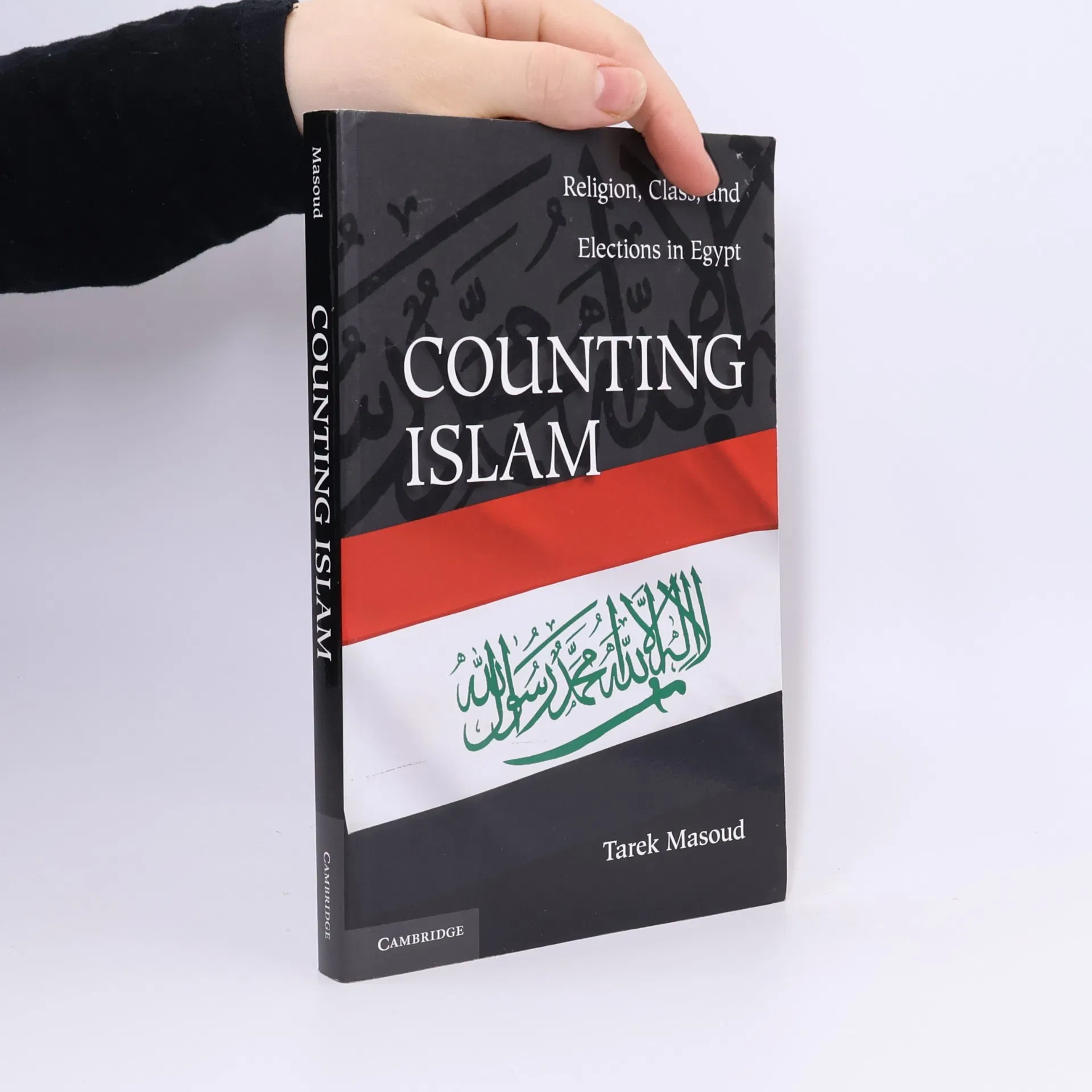
Counting Islam
Religion, Class, and Elections in Egypt
Auteurs
Paramètres
- 276pages
- 10 heures de lecture
En savoir plus sur le livre
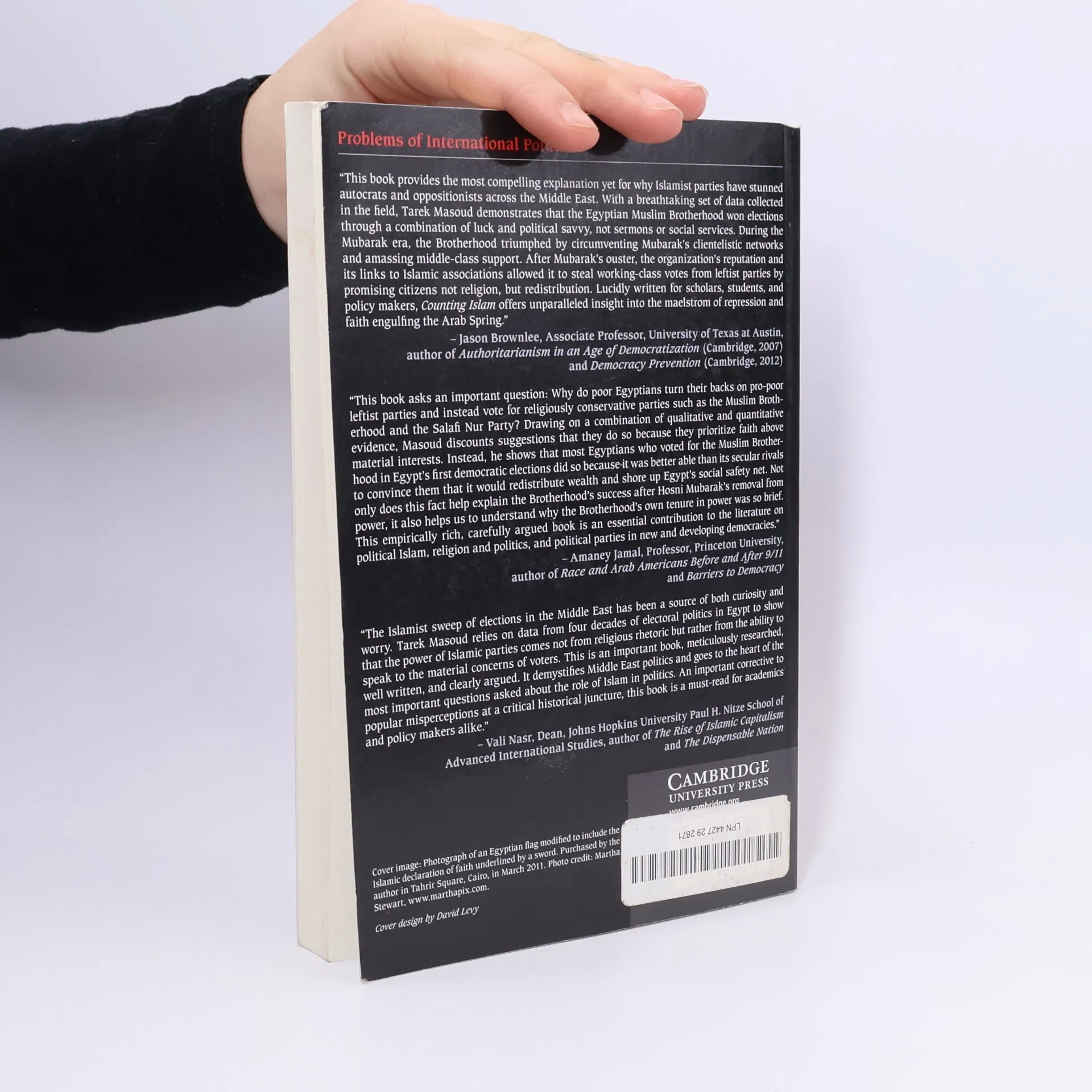
Why does Islam seem to dominate Egyptian politics, especially when the country's endemic poverty and deep economic inequality would seem to render it promising terrain for a politics of radical redistribution rather than one of religious conservativism? This book argues that the answer lies not in the political unsophistication of voters, the subordination of economic interests to spiritual ones, or the ineptitude of secular and leftist politicians, but in organizational and social factors that shape the opportunities of parties in authoritarian and democratizing systems to reach potential voters. Tracing the performance of Islamists and their rivals in Egyptian elections over the course of almost forty years, this book not only explains why Islamists win elections, but illuminates the possibilities for the emergence in Egypt of the kind of political pluralism that is at the heart of what we expect from democracy.
Achat du livre
Counting Islam, Tarek Masoud
- Langue

- Année de publication
- 2014
- Reliure
- (souple)
Modes de paiement
Personne n'a encore évalué .
- Titre
- Counting Islam
- Sous-titre
- Religion, Class, and Elections in Egypt
- Langue
- Anglais
- Auteurs
- Tarek Masoud
- Éditeur
- Cambridge University Press
- Publié
- 2014
- Format
- souple
- Pages
- 276
- ISBN10
- 0521279119
- ISBN13
- 9780521279116
- Séries
- Catégories
- Mots clés
- Politique, États-Unis, Littérature spécialisée, Inspiration, Égypte, Proche et Moyen-Orient, Afrique du Nord, Élections, Islam et politique
- Description
- Why does Islam seem to dominate Egyptian politics, especially when the country's endemic poverty and deep economic inequality would seem to render it promising terrain for a politics of radical redistribution rather than one of religious conservativism? This book argues that the answer lies not in the political unsophistication of voters, the subordination of economic interests to spiritual ones, or the ineptitude of secular and leftist politicians, but in organizational and social factors that shape the opportunities of parties in authoritarian and democratizing systems to reach potential voters. Tracing the performance of Islamists and their rivals in Egyptian elections over the course of almost forty years, this book not only explains why Islamists win elections, but illuminates the possibilities for the emergence in Egypt of the kind of political pluralism that is at the heart of what we expect from democracy.