

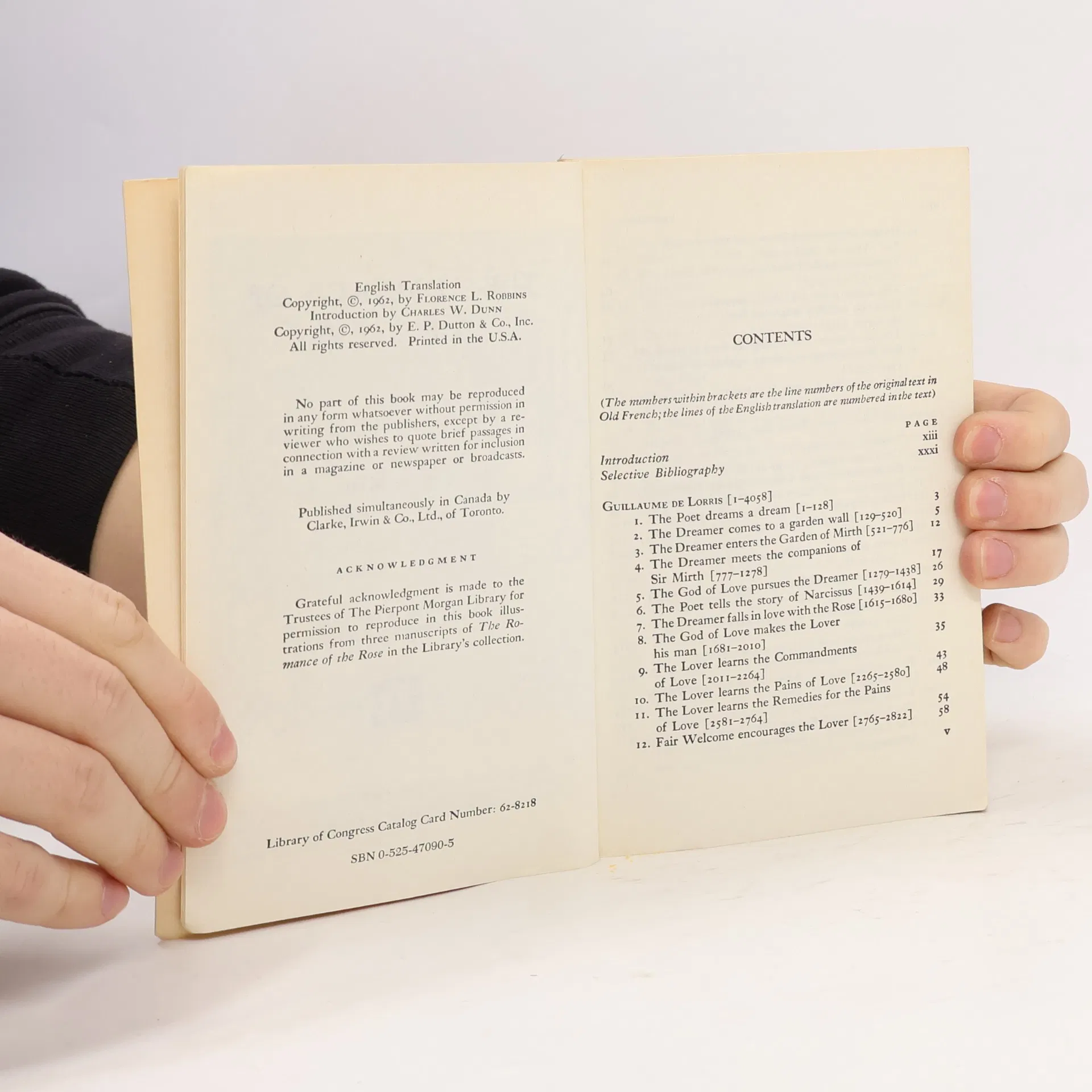
Romance of the Rose
Paramètres
- 472pages
- 17 heures de lecture
En savoir plus sur le livre
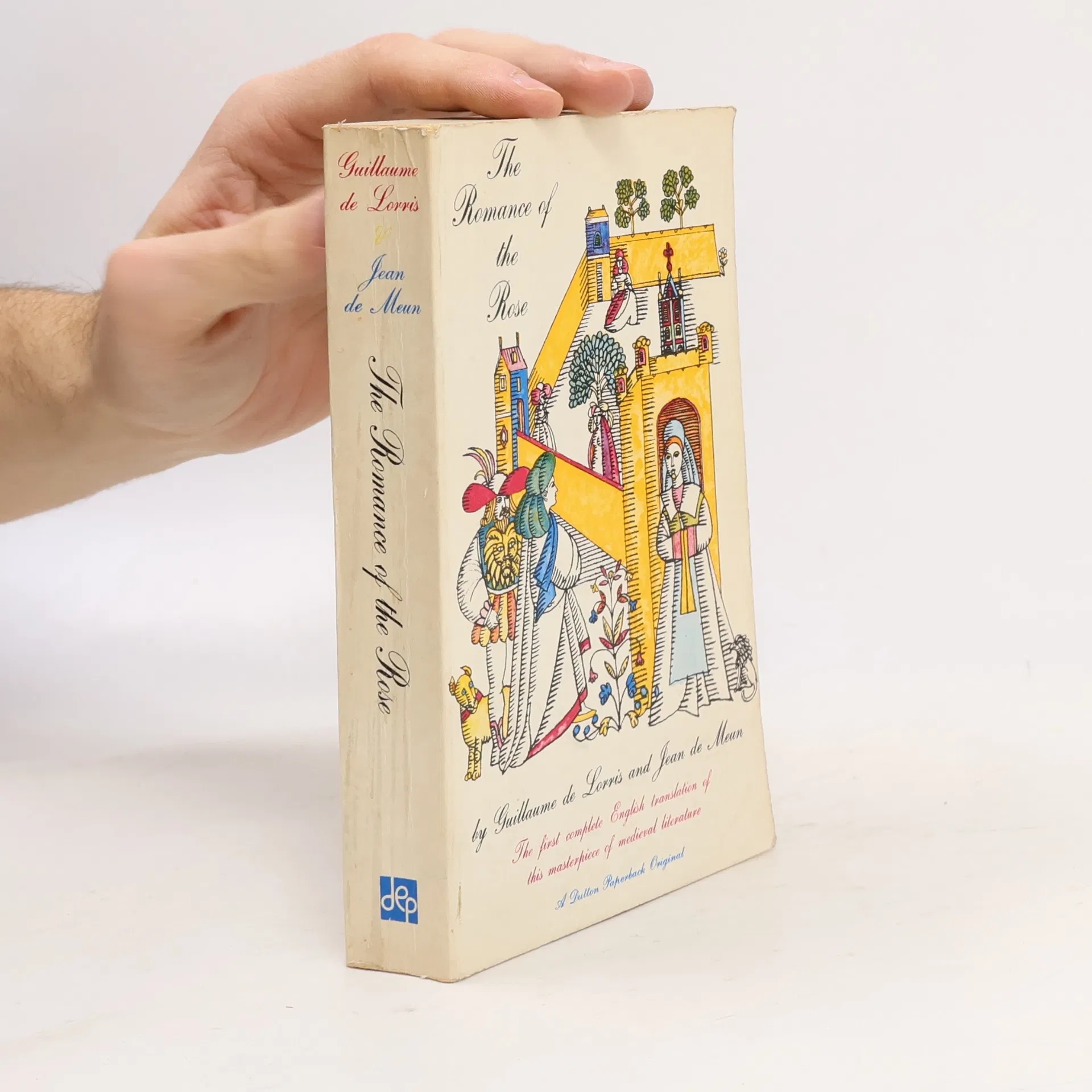
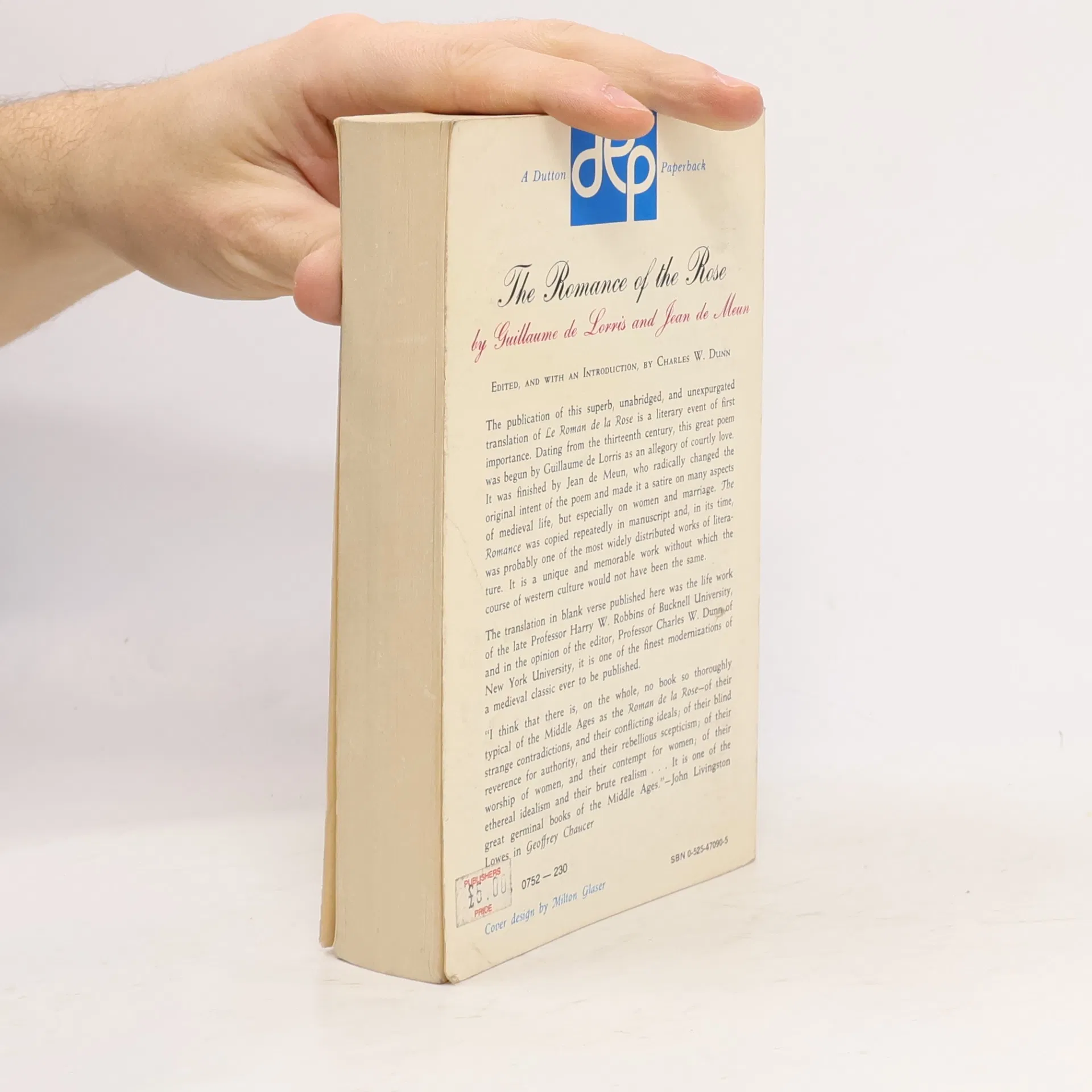
The publication of this superb, unabridged, and unexpurgated translation of <i>Le Roman de la Rose</i> is a literary event of first importance. Dating from the thirteenth century, this great poem was begun by Guillaume de Lorris as an allegory of courtly love. It was finished by Jean de Meun, who radically changed the original intent of the poem and made it a satire on many aspects of medieval life, but especially on women and marriage. <i>The Romance</i> was copied repeatedly in manuscript and, in its time, was probably one of the most widely distributed works of literature. It is a unique and memorable work without which the course of western culture would not have been the same. The translation in blank verse published here was the life work of the late professor Harry W. Robbins of Bucknell University, and in the opinion of the editor, Professor Charles W. Dunn of New York University, it is one of the finest modernizations of a medieval classic ever to be published.
Achat du livre
Romance of the Rose, Guillaume de Lorris, Charles W. Dunn, Jean de Meun, Harry W. Robbins
- Langue

- Année de publication
- 1962
- Reliure
- (souple),
- État du livre
- Abîmé
- Prix
- 11,99 €
Modes de paiement
Personne n'a encore évalué .
- Titre
- Romance of the Rose
- Langue
- Anglais
- Éditeur
- E. P. Dutton
- Publié
- 1962
- Format
- souple
- Pages
- 472
- ISBN10
- 0525470905
- ISBN13
- 9780525470908
- Séries
- Mots clés
- France, Littérature française, Moyen Âge
- Description
- The publication of this superb, unabridged, and unexpurgated translation of <i>Le Roman de la Rose</i> is a literary event of first importance. Dating from the thirteenth century, this great poem was begun by Guillaume de Lorris as an allegory of courtly love. It was finished by Jean de Meun, who radically changed the original intent of the poem and made it a satire on many aspects of medieval life, but especially on women and marriage. <i>The Romance</i> was copied repeatedly in manuscript and, in its time, was probably one of the most widely distributed works of literature. It is a unique and memorable work without which the course of western culture would not have been the same. The translation in blank verse published here was the life work of the late professor Harry W. Robbins of Bucknell University, and in the opinion of the editor, Professor Charles W. Dunn of New York University, it is one of the finest modernizations of a medieval classic ever to be published.