

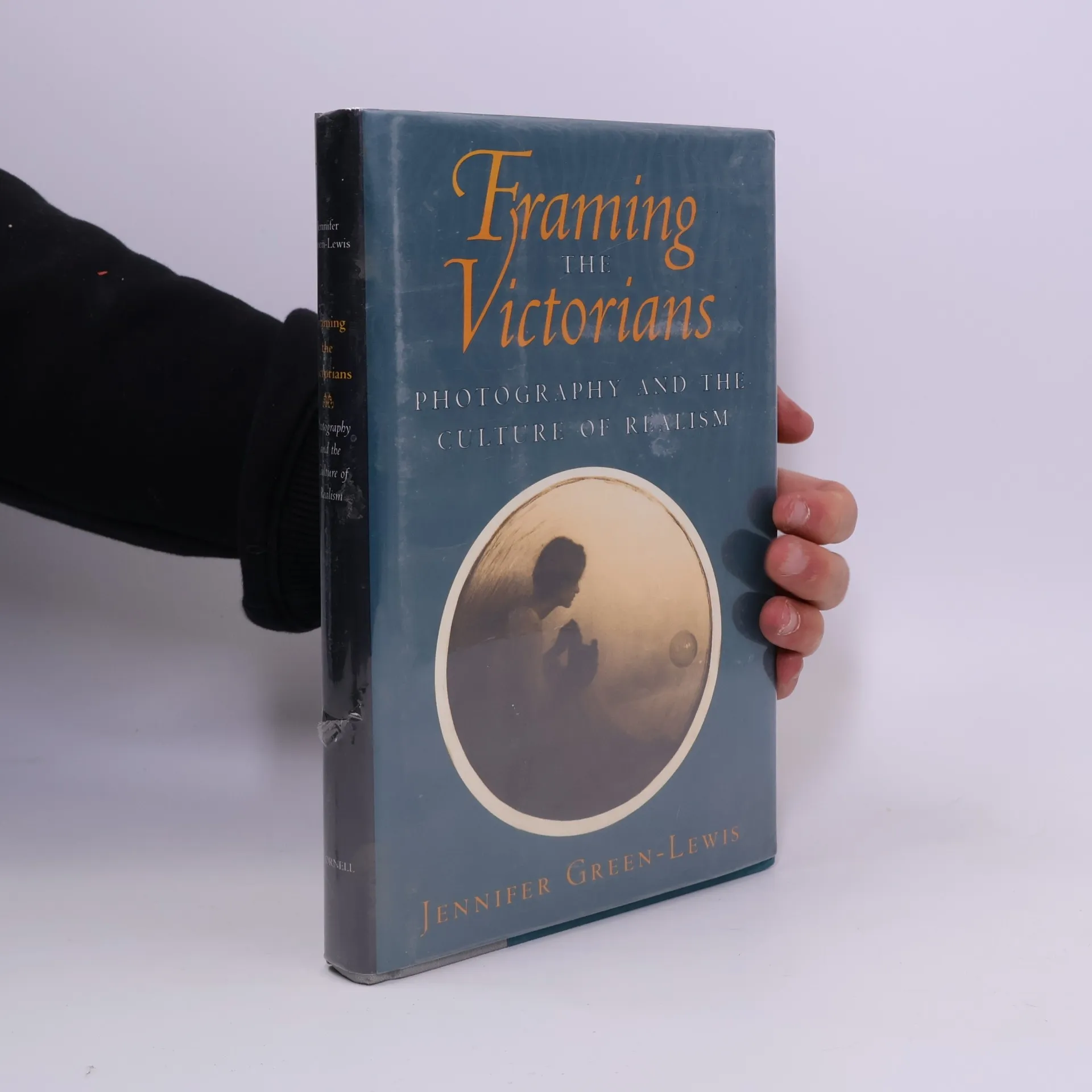
Framing the Victorians
Photography and the Culture of Realism
Auteurs
En savoir plus sur le livre
A wide-ranging exploration of the complex and often conflicting discourse on photography in the nineteenth century, Framing the Victorians traces various descriptions of photography as art, science, magic, testimony, proof, document, record, illusion, and diagnosis. Victorian photography, argues Jennifer Green-Lewis, inspired such universal fascination that even two so self-consciously opposed schools as positivist realism and metaphysical romance claimed it as their own. Photography thus became at once the symbol of the inadequacy of nineteenth-century empiricism and the proof of its totalizing vision. Green-Lewis juxtaposes textual descriptions with pictorial representations of a diverse array of cultural activities from war and law enforcement to novel writing and psychiatry. She compares, for example, the exhibition of Roger Fenton's Crimean War photographs (1855) which W.H. Russell's written accounts of the war published in the Times of London (1884 and 1886). Nineteenth-century photography, she maintains, must be reread in the context of Victorian written texts from and against which it developed.
Achat du livre
Framing the Victorians, Jennifer Green-Lewis
- Langue

- Année de publication
- 1996
- Reliure
- (rigide),
- État du livre
- Très bon
- Prix
- 8,09 €
Modes de paiement
Personne n'a encore évalué .
- Titre
- Framing the Victorians
- Sous-titre
- Photography and the Culture of Realism
- Langue
- Anglais
- Auteurs
- Jennifer Green-Lewis
- Éditeur
- Cornell University Press
- Publié
- 1996
- Format
- rigide
- Pages
- 255
- ISBN10
- 0801432766
- ISBN13
- 9780801432767
- Séries
- Mots clés
- Thème historique, 19e siècle, Histoire sociale
- Description
- A wide-ranging exploration of the complex and often conflicting discourse on photography in the nineteenth century, Framing the Victorians traces various descriptions of photography as art, science, magic, testimony, proof, document, record, illusion, and diagnosis. Victorian photography, argues Jennifer Green-Lewis, inspired such universal fascination that even two so self-consciously opposed schools as positivist realism and metaphysical romance claimed it as their own. Photography thus became at once the symbol of the inadequacy of nineteenth-century empiricism and the proof of its totalizing vision. Green-Lewis juxtaposes textual descriptions with pictorial representations of a diverse array of cultural activities from war and law enforcement to novel writing and psychiatry. She compares, for example, the exhibition of Roger Fenton's Crimean War photographs (1855) which W.H. Russell's written accounts of the war published in the Times of London (1884 and 1886). Nineteenth-century photography, she maintains, must be reread in the context of Victorian written texts from and against which it developed.